
Hypoallergenic Hiking Dogs: The Best Low-Shedding Trail Companions for Allergy Sufferers
By Puppy Dreams Editorial Team · February 26, 2026
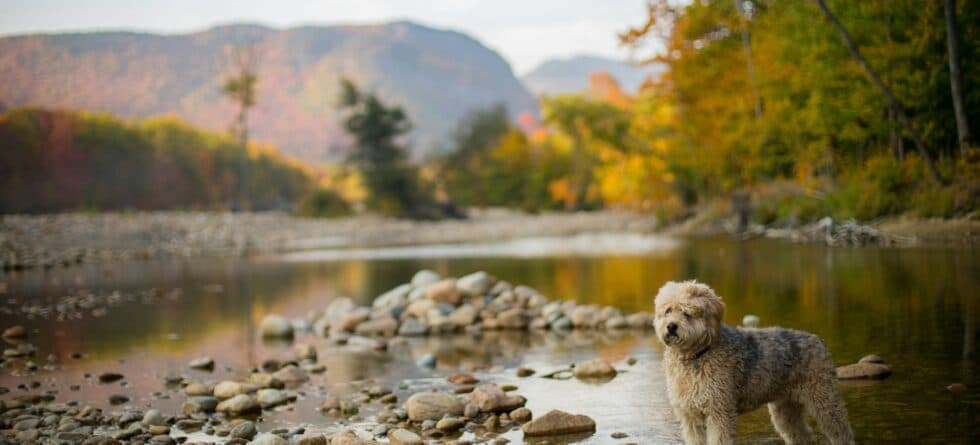
Love hiking, but sneeze around dogs? You’re not stuck indoors. Some breeds are easier on allergies and still have the stamina, focus, and confidence to be great trail partners, and finding hypoallergenic hiking dogs isn’t as hard as you think. Below, we’ll break down what “hypoallergenic” really means, which coat types help most, and the best small, medium, and large dogs for hikers who want fewer sniffles. When you’re ready, Puppy Dreams can help you find a puppy that matches your lifestyle, whether that means weekend nature walks, mountain switchbacks, or long solo hikes.
Key Takeaways:
- Hypoallergenic means less likely to trigger allergies, not allergy-proof.
- Low-shedding coats (curly, wiry, or continuously growing hair) help trap dander instead of spreading it.
- Best small hiking breeds: Miniature Poodle, Miniature Schnauzer, Yorkshire Terrier, Maltese (best for shorter or moderate trails).
- The best medium adventure breeds: Portuguese Water Dog, Soft Coated Wheaten Terrier, Lagotto Romagnolo, Standard Schnauzer.
- Best large trail dogs: Standard Poodle, Giant Schnauzer (strong, athletic, and also allergy-friendlier than most large breeds).
- Doodle mixes vary: some are low-shedding, others shed more than expected, coat genetics matter.
- Allergy management is a system: grooming + cleaning + exposure planning usually matters more than “the perfect breed.”
What Makes a Dog Hypoallergenic and Suitable for Hiking?
A hypoallergenic dog tends to shed less and spreads fewer allergens (like dander) into your home and car. Most dog allergies are triggered by proteins found in skin flakes (dander), saliva, and urine, not just the hair itself.
For hiking, allergy-friendliness is only half the equation. Your trail buddy generally also needs:
- Stamina for distance and elevation
- Trainability for safety, recall, and trail manners
- A steady temperament around people, wildlife, and distractions
- Weather tolerance for heat, cold, or wet conditions
Why Coat Type Matters for Allergy-Prone Hikers
Coat type can influence how much hair and dander end up on your clothes, gear, and upholstery.
- Curly coats (Poodle-type) can trap loose hair and dander until brushed out
- Wiry coats (Schnauzer-type) often shed less and hold dander closer to the body
- Continuously growing hair (Yorkie/Maltese-type) may shed less than many double-coated breeds
No dog is completely allergen-free. Two dogs of the same breed can still affect you differently.
What are the Best Breeds of Hypoallergenic Hiking Dogs?
Here’s a practical comparison table of trail-friendly, low-shedding breeds, organized by size and lifestyle fit.
| Breed | Size | Coat type | Grooming level | Best for… |
|---|---|---|---|---|
| Miniature Poodle | Small | Curly, low-shedding | High | Active owners who want a compact, athletic dog |
| Miniature Schnauzer | Small | Wiry, low-shedding | Moderate | Moderate hikes, easy training, low odor |
| Yorkshire Terrier | Small | Hair-like coat | Moderate-high | Short hikes, portable trail buddy, small-space living |
| Maltese | Small | Hair-like, low-shedding | High | Gentle hikes, allergy-aware homes, calm companions |
| Portuguese Water Dog | Medium | Curly/wavy, low-shedding | High | Hikers who also love water, energetic families |
| Lagotto Romagnolo | Medium | Woolly, curly | Moderate-high | Scent-heavy trails, outdoorsy owners, steady temperament |
| Soft Coated Wheaten Terrier | Medium | Silky, low-shedding | Moderate-high | Active homes wanting a friendly, upbeat dog |
| Standard Poodle | Large | Dense, curly | High | Long hikes, smart training, allergy-aware families |
| Giant Schnauzer | Large | Wiry, low-shedding | Moderate-high | Experienced owners who want a strong, protective partner |
Which Small Hypoallergenic Dogs are Great for Hiking?
Small dogs can absolutely hike, especially on moderate trails with smart pacing, hydration, and also paw protection when needed. The key is choosing a small breed with confidence, endurance, and trainability.
Is the Miniature Poodle Durable Enough for Trails?
Yes. The Miniature Poodle is one of the best small hiking dogs for allergy-prone owners.
They’re athletic, quick learners, and typically have a tight curly coat that sheds less. With regular brushing and a practical trim, they’re excellent on dirt, rock, and forest trails.
How do Yorkies and Maltese do on Hikes?
These common hypoallergenic hiking dogs can work well, with realistic expectations.
- Yorkshire Terriers are bold and curious. They’re great for shorter hikes and can surprise you with their energy, but they may need breaks on steep grades.
- Malteses are better suited to gentle or moderate outings. Many owners keep the coat clipped short for easier maintenance and fewer tangles after trail time.
How Do I Choose Hypoallergenic Hiking Dogs Based on Distance?
If you hike long distances often, choose a small breed known for athleticism (like a Poodle). If your hikes are more occasional, many small hypoallergenic breeds can fit, especially with a consistent routine.


Which Medium-sized Hypoallergenic Dogs Fit Active Hikers Best?
Medium dogs often hit the sweet spot of hypoallergenic hiking dogs: easier to lift into the car than giant breeds, but more stride and stamina than most toy dogs.
Is the Portuguese Water Dog Good for Hiking?
Yes, especially if your hikes include rivers, lakes, or muddy terrain.
The Portuguese Water Dog is energetic, strong, and loves outdoor challenges. Their coat is typically low-shedding, but it needs routine brushing and grooming to prevent matting (mats can also trap dirt, pollen, and dander).
If you want to explore more allergy-friendly breeds, you can also reference Puppy Dreams’ broader guide on hypoallergenic dog breeds.
Are Lagotto Romagnolos and Wheaten Terriers good for adventurous homes?
Yes, both are excellent, with different vibes.
- Lagotto Romagnolos are outdoorsy, scent-driven, and steady. They often thrive on wooded trails and love having a “job.”
- Soft Coated Wheaten Terriers are friendly and playful, but they still need consistent training, so excitement doesn’t turn into leash pulling.
Can Large Hypoallergenic Hiking Dogs Handle Rugged Trails?
Generally, if you want a dog that can handle longer distances, colder weather, and rougher terrain, large breeds can be a great fit, assuming you’re ready for higher exercise needs and larger food/vet costs.
Are Standard Poodles Good Hiking Dogs for Allergy Sufferers?
Yes, standard Poodles are one of the most reliable large hypoallergenic hiking dogs for active, allergy-aware households.
They’re smart, athletic, and often excellent at trail manners when trained early. Their curly coat can reduce shedding, but grooming is non-negotiable if you want the coat to stay healthy and allergy-friendly.
Do Giant Schnauzers Make Good Protective Hiking Partners?
They can, though Giant Schnauzers are typically best for experienced owners.
Giant Schnauzers are powerful and confident hypoallergenic hiking dogs that need structure, training, and daily outlets. Their wiry coat tends to shed less than many large breeds, but their intensity means they’re not the right match for every household.
Are Doodles Hypoallergenic Enough for Hiking?
Doodle mixes (like Labradoodles, Bernedoodles, Aussiedoodles, Schnoodles, and other Poodle crosses) can be wonderful hiking companions, but they’re not automatically low-allergen.
Coat outcomes vary by puppy, even within the same litter. A mix can inherit:
- A curlier, lower-shedding coat (often better for allergies), or
- A looser, higher-shedding coat (often harder for allergy sufferers)
If allergies are a top concern, it’s smart to spend time with the specific dog before committing, and ask about coat type, grooming expectations, and whether the parents are low-shedding.
How Should Allergic Hikers Choose the Right Dog?
Choosing the “best” hypoallergenic hiking dog is really about choosing the best match for your real life.
What Lifestyle Factors Matter Most?
Focus on three things:
- Your hiking style: short loops, long distances, steep elevation, or casual walks
- Local climate: heat tolerance and coat management matter on trail
- Your grooming bandwidth: generally, low shedding comes with higher coat care
Should You Test Allergies Before Bringing a Dog Home?
If possible, yes.
Many people also benefit from working with an allergist and doing exposure-based planning. Even if a breed is typically low-shedding, individual reactions vary.
How Can You Reduce Allergens on Hiking Trips?
Even the most allergy-friendly dog can bring allergens into your tent, car, or backpack. These habits help a lot:
Which Grooming Tools Help Most for Trail Life?
- Slicker brush (great for curly coats)
- Comb (helps find tangles and burrs close to skin)
- Hypoallergenic wipes (quick wipe-down after dusty trails or water)
How Often Should You Bathe an Active, Low-shedding Dog?
A common routine is every 2 to 4 weeks, depending on coat type and also how often your dog gets into water, mud, or pollen-heavy areas. Always dry thoroughly; damp coats can lead to skin irritation and odor.
How Do You Manage Allergens in Your Car and Gear?
- Use washable seat covers and wash them often
- Keep a towel at the trailhead for a quick wipe-down
- Vacuum regularly (a HEPA vacuum can be helpful)
- Additionally, don’t let the dog sleep directly in shared sleeping bags if allergies are intense
Finding Your Hypoallergenic Trail Buddy
The best hypoallergenic hiking dogs are the ones that fits your lifestyle, grooming routine, and allergy sensitivity; not just the one that sounds good on paper. Start with dependable low-shedding classics like the Poodle, Portuguese Water Dog, or Schnauzer lines, then narrow down by size, temperament, and trail habits.
If you want help matching the right puppy to your hiking goals and allergy needs, Puppy Dreams is here to help you take the next step.