
Pups That Love Water: Best Swimming Breeds
By Puppy Dreams Editorial Team · February 17, 2026
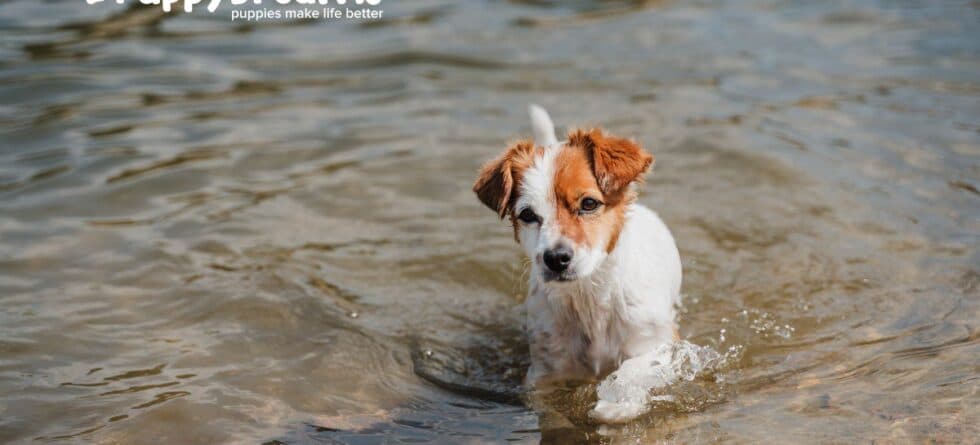
If your family spends weekends at the lake, on the boat, or by the pool, choosing one of the best swimming dogs can make outdoor time safer and more fun. While every dog is an individual, some breeds and mixes are more likely to enjoy water and have the athletic build and confidence that help them swim well.
Key Takeaways:
- Top swimming breeds include Labrador Retriever, Golden Retriever, Newfoundland, Portuguese Water Dog, Chesapeake Bay Retriever, and American Water Spaniel.
- Swimming traits: webbed feet, waterproof coats, strong muscles, and long tails.
- Water-loving breeds often come from working backgrounds; hunters, retrievers, and fishers.
- Good swimmers vary in size; medium/small breeds include Boykin Spaniel, Irish Water Spaniel, Lagotto Romagnolo, and Spanish Water Dog.
- Family-friendly swimmers generally include: Labs, Goldens, Newfoundlands, Boykins, and Barbets.
- Hypoallergenic swimmers: Portuguese Water Dog, Lagotto Romagnolo, Standard Poodle.
- Swimming perks: joint relief, muscle tone, weight control, better senior mobility, and additionally, recovery support.
- Life jackets, floating toys, and shady areas also improve safety.
- Begin swim training in calm water using praise and gear like life vests.
- Dogs can also enjoy sports like dock diving, kayak paddling, and pool play.
The Best Swimming Dogs Overall
Some of the strongest “water-friendly” picks by Puppy Dreams are:
These breeds are commonly chosen by active families because they tend to be people-focused, playful, and motivated by games, also often including water fetch.
What Makes a Strong Swimmer?
Generally speaking, the best swimming dogs tend to combine (1) confidence in new environments, (2) athletic stamina, and (3) a body that stays stable in water.
Common “good swimmer” traits include:
- Strong hindquarters (propulsion)
- A balanced, athletic frame (stays level in water)
- Enjoyment of retrieving or play (motivation to swim)
- Comfort with new places, sounds, and surfaces (confidence)
Note: Even within “water-loving” breeds, not every individual dog enjoys swimming right away. Early experiences and temperament also matter.
Which Best Swimming Dogs Can I Find At Puppy Dreams?
1) Labrador Retriever
Why they’re a top swimmer: Labs are famously enthusiastic retrievers, and also often highly motivated by toys and water games.
Great for: lake days, family fetch sessions, active households.
Water tip: Start with shallow water and an easy exit (gentle shore, steps, or ramp) so your Lab builds confidence.
2) Golden Retriever
Why they’re a top swimmer: Many Goldens are eager-to-please, playful, and people-oriented, traits that also pair well with swim training.
Great for: families who want a friendly companion that can join outdoor adventures.
Water tip: Use a floating toy and short sessions; stop while your dog is still having fun. Additionally, you can try to keep it extra engaging for them by trying new games or toys as their confidence and abilities grow, but don’t push them out of their comfort zone.
3) Labradoodle
Why they can be great swimmers: Generally, Labradoodles often inherit the Labrador’s love of play and retrieving.
Great for: families who want an affectionate, active dog that enjoys games.
Water tip: Because mixes vary, introduce water gradually and watch your dog’s comfort level instead of assuming they’ll love it immediately.
4) Goldendoodle
Why they can be great swimmers: Goldendoodles may inherit the Golden Retriever’s friendly, adventurous temperament, which can help with confident swim introductions.
Great for: active homes that want a playful family companion.
Water tip: Keep coats well-groomed; heavy mats can hold water and make drying harder after swims.
Step-by-Step: How to Introduce Your Dog to Swimming Safely
The safest approach is generally slow exposure, positive reinforcement, and constant supervision.
- Pick calm water with a gentle entry and exit.
- Let your dog choose the pace (never push or toss them in).
- Reward wading first (wading is success).
- Use a dog life jacket for beginners, boats, waves, or deep water.
- Keep first sessions short (end before your dog is tired or stressed).
- Rinse and dry after (especially after pool chlorine or salt water).
How Do I Know What The Best Swimming Dogs Are?
The top water-friendly options currently listed on Puppy Dreams include the Labrador Retriever, Golden Retriever, Labradoodle, and Goldendoodle.
Does My Pup Need a Life Jacket?
Life jackets are highly recommended, often non-negotiable, even in adult dogs, especially for beginners, boating, currents, waves, or deep water. A properly fitted dog life vest adds safety even for confident swimmers, and should also be used or kept nearby even in situations that ‘seem’ safe or controlled. Safety first, always.
Best Swimming Dogs for Families
The best swimming dogs for families are typically friendly, eager to play, and easy to motivate with fetch, especially in shallow, calm water.


What Are The Best Swimming Dogs for Families?
- Labrador Retriever: enthusiastic, toy-driven, usually confident in water
- Golden Retriever: gentle, people-oriented, often enjoys swimming with the family
- Labradoodle: can combine retriever drive with a social, playful personality (varies by individual)
- Goldendoodle: often outgoing and game-focused (varies by individual)
Quick family tip: For kids + dogs, prioritize easy exits (steps, ramps, gentle shoreline) and short, supervised sessions. End the session while your dog is still excited; this generally builds a positive “I want more” association.
Hypoallergenic-friendly Swimming Dogs: What to Choose (and What to Expect)
If you want a water-loving dog with a more allergy-friendly coat, look for breeds (or mixes) that generally tend to shed less. Also, plan on regular grooming, since water + curls can mat.
Common “lower-shedding swimmer” options:
- Labradoodle (coat type varies; some shed more than others)
- Goldendoodle (coat type varies; grooming matters a lot)
- Standard Poodle (classic strong swimmer in many lines)
“Hypoallergenic” doesn’t mean non-allergenic. Most allergies react to dander and saliva, not just fur. The practical win is often less shedding + consistent coat care.
Water + coat tip: After swimming, rinse (especially after salt/chlorine), towel-dry thoroughly, and check “tangle zones” (ears, collar area, armpits, belly).
Swimming Safety Checklist
Safety is never optional. Use a dog life jacket when swimming in deep water, on boats, in currents/waves, or for any beginner, then manage fatigue, heat, and water exposure.
What Should I Include On A Quick Safety Checklist?
- Life jacket on (snug fit, handle on top, bright color) for: beginners, boating, open water, or long swims
- Safe entry + exit: steps, ramp, gentle shoreline; avoid steep banks
- Time limits: frequent breaks (swimming is harder than it looks)
- Heat protection: shade + fresh drinking water (don’t let them drink lake/ocean/pool water)
- Rinse and dry after: chlorine, salt, algae-y water, sand
- Ear and skin check: redness, odor, head shaking, hotspots
- Toy safety: use floating toys; avoid sticks in water (mouth injuries happen)
Even strong swimmers can panic if they’re overtired, surprised by waves, or can’t find an exit. Always plan the exit before you start the swim, and also make sure others (family, friends, etc.) know what signs to look for and how to keep your pup safe.
Signs Your Dog is Not a Natural Swimmer (and What to Do Instead)
Some dogs don’t enjoy swimming, or aren’t built for it, and that’s okay. Your goal is comfort and safety, not forcing a “water dog” identity.
Common “Not Loving this” Signs
- Stiff posture, wide eyes, tucked tail near the water
- Scrambling/paddling frantically (instead of smooth strokes)
- Clinging to you, also trying to climb onto arms/shoulders
- Refusing to re-enter after a short attempt
- Heavy coughing after water play (stop immediately and monitor)
What Are Alternatives if My Pup Doesn’t Like to Swim?
- Switch to wading in ankle-to-knee-deep water (still great enrichment)
- Try water fetch from shore (toss toy parallel to the shoreline)
- Use a life jacket and also practice “in and out” reps near steps
- Keep sessions 1–3 minutes at first, then build slowly
The “best swimming dogs” are the ones that feel safe, can exit easily, and stay happy the entire session; whether they’re doing full swims or just splashy shoreline play.
Looking For Puppies That Love To Swim?
If you’re dreaming of a puppy who’s happiest with a splash in the pool, a dip at the lake, or a romp along the shoreline, the right match makes all the difference. Water confidence, energy level, and coat type all play a big role in how much your future best friend will truly enjoy swimming.
Visit a Puppy Dreams location to meet swim-loving pups in person and get guided support from a Puppy Counselor who can help you choose the breed, temperament, and lifestyle fit that’s best for your home. Stop by your nearest Puppy Dreams today and let our team help you bring home a pup that’s ready for every adventure, on land and in the water.