
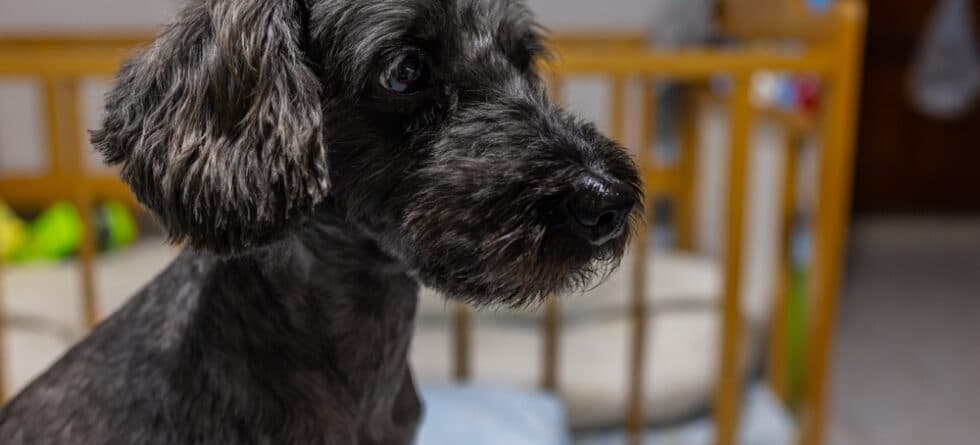
Poodles are intelligent, social dogs that form deep bonds with their families. Because of their affectionate nature, they prefer having companionship throughout the day. Still, most Poodles can be left alone for reasonable periods with proper training and preparation. Whether a Poodle handles alone time well depends on their personality, age, and the routine you establish.
Yes, Poodles Can Be Left Alone for Short Periods
Most adult Poodles can stay home alone for a few hours as long as their needs are met beforehand. With a stable routine and gradual training, they can learn to feel calm and secure while you are away.
- Adult Poodles can usually handle four to six hours alone
- Standard Poodles tend to be more confident when alone
- Toy and Miniature Poodles may feel anxious sooner due to size and sensitivity
Each dog is different, so paying attention to their behavior helps you determine their comfort level.
Why Poodles Sometimes Struggle With Being Alone
Poodles are emotionally sensitive and often bond strongly with one person. When left alone too long, some may develop stress or anxiety.
- Separation anxiety can make them panic when the owner leaves
- High intelligence means they get bored if not mentally stimulated
- Sensitivity makes them react strongly to changes in routine
- Strong affection can turn into clinginess without independence training
Understanding these traits helps you support your Poodle during alone time.
How Long Can Poodles of Different Ages Be Left Alone
The age of your Poodle plays a major role in how long they can stay alone.
- Puppies – one to three hours at most due to small bladders and training needs
- Young adults – gradually build toward four hours with training
- Adults – four to six hours with proper preparation
- Seniors – may need shorter intervals due to health or mobility changes
Long work days are often too much for puppies and anxious dogs.
Signs Your Poodle Is Not Handling Alone Time Well
If your Poodle feels stressed while you are gone, their behavior usually shows it clearly.
- Excessive barking, whining, or pacing
- Chewing or destructive behavior
- Accidents in the house
- Drooling or shaking
- Over excitement when you return
These signs may indicate separation anxiety or lack of confidence.
How to Make Alone Time Easier for Your Poodle
Small changes in routine can make a big difference in your dog’s comfort.
- Give exercise before leaving to reduce restlessness
- Provide puzzle toys or long-lasting chews
- Leave calming music or background noise
- Create a cozy space with blankets and familiar scents
- Practice short departures before leaving for longer times
These strategies help your Poodle stay relaxed until you return.
When You Should Avoid Leaving a Poodle Alone
Some situations make solo time much more difficult for Poodles.
- New puppies are still adjusting to the home
- Poodles with severe separation anxiety
- Dogs recovering from surgery or illness
- Recent changes in household routine or environment
Additional supervision or gradual training is needed in these cases.
Alternatives for Long Absences
If you are away for longer periods than your Poodle can tolerate, supportive options can help.
- Dog sitters or family check-ins
- Dog walkers for potty breaks and exercise
- Short days at doggy daycare
- Interactive cameras to monitor behavior
These options keep your Poodle comfortable and reduce boredom.
Poodles can be left alone for moderate periods, but they need training, structure, and a comforting environment to feel secure. Their sensitive and social nature makes long hours alone difficult, especially for puppies and small Poodles. With planning, gradual independence training, and mental stimulation, your Poodle can stay calm and content during the time you are away.