
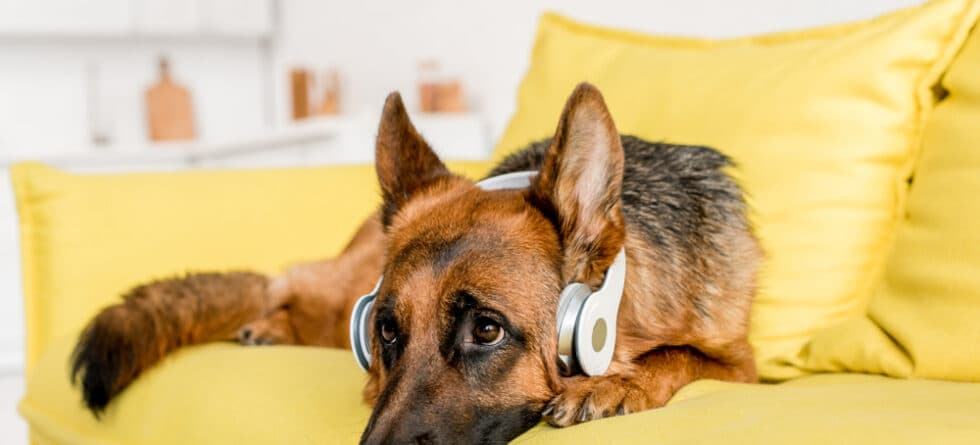
German Shepherds can tolerate being alone for short periods, but they are not suited to live in isolation long term. They thrive on interaction, structure, and companionship.
They Are Highly Social Dogs
German Shepherds are people-oriented and protective.
Living completely alone without regular interaction can lead to stress and behavioral problems.
How Long Can They Be Alone
Most adult German Shepherds can handle about 3 to 4 hours alone at a time.
Longer daily absences may cause boredom or anxiety.
Puppies Cannot Be Left Alone Long
Young German Shepherds require frequent supervision.
- Need bathroom breaks
- Require training guidance
- Benefit from social exposure
Gradual independence training helps as they mature.
Signs Of Loneliness Or Stress
If left alone too long, a German Shepherd may show
- Excessive barking
- Destructive chewing
- Pacing
- Restlessness
These behaviors often reflect unmet needs.
Mental Stimulation Helps
Providing enrichment can make short alone periods easier.
Puzzle toys, structured training, and exercise before departure reduce frustration.
Routine Makes A Difference
Predictable schedules help German Shepherds feel secure.
Calm departures and returns prevent anxiety buildup.
Living Alone Versus Being Alone
A German Shepherd should not live entirely separated from people.
They are not suited to backyard isolation or minimal contact lifestyles.
Balancing Work & Dog Ownership
If you work long hours, consider midday breaks or additional engagement opportunities.
Regular attention supports emotional stability.
Understanding German Shepherd Needs
German Shepherds can manage short periods alone, but they are not independent dogs that thrive in isolation. With companionship, exercise, and routine, they become loyal and well-balanced companions.