
Can German Shepherds Drink Too Much Water?
By Puppy Dreams Editorial Team · February 22, 2026
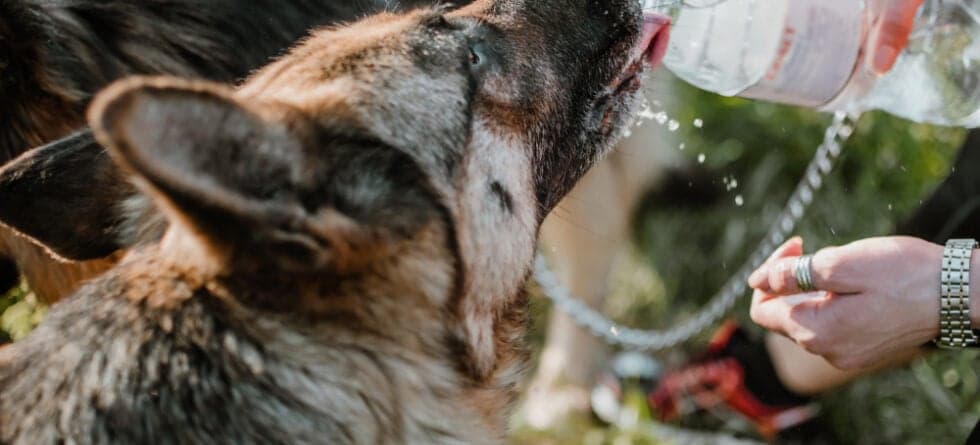
Yes, a German Shepherd can drink too much water. Dogs need fresh water every day, but drinking an unusually large amount can sometimes be a sign that something is wrong. In some cases, a dog may simply be thirsty after exercise, hot weather, or active play. In other cases, excessive drinking may point to stress, diet issues, medication effects, or a health problem that needs attention.
The important thing is to look at the full pattern. A German Shepherd that drinks a lot once after a long walk or a hot day may be perfectly fine. A German Shepherd that suddenly starts drinking much more than usual every day is worth watching more closely.
When Drinking More Water May Be Normal
After Exercise Or Heat
German Shepherds are active dogs, so they may drink more water after running, training, or spending time outside in warm weather. This is often a normal response because the body needs to replace lost fluids and cool down.
In these situations, extra drinking may not be a problem as long as your dog seems otherwise normal and settles back into its usual routine afterward.
Diet Can Also Matter
Dogs eating dry food may seem to drink more water than dogs eating food with more moisture. Salty treats or changes in diet can also make a dog thirstier than usual. Even this kind of change should still be watched if it seems extreme or keeps happening.
When Too Much Water Can Be A Concern
Sudden Increase In Thirst
If your German Shepherd suddenly starts drinking much more water than normal, it can be a warning sign. This matters even more if the extra drinking lasts more than a day or two or seems to keep getting worse.
an unusually thirsty dog may also start needing to urinate much more often. You might notice larger puddles, more trips outside, or accidents in the house.
Possible Health Problems
Excessive drinking can sometimes happen with health issues such as diabetes, kidney problems, infections, hormone-related conditions, or other medical concerns. Some medications can also make dogs drink more than usual. Because there are different possible causes, it is important not to guess too much if the pattern seems clear and ongoing.
Can Drinking Too Much Water Itself Be Dangerous
Too Much At One Time Can Be Risky
In rare cases, drinking an extreme amount of water too quickly can be dangerous. This can upset the body balance and make a dog very unwell. It is more likely to happen when a dog gulps a huge amount after intense activity or swallows a lot of water during play.
That does not mean you should limit normal access to water. Dogs still need free access to clean water during the day. The concern is extreme and unusual drinking, not healthy hydration.
Watch For Unusual Symptoms
If your German Shepherd drinks a lot of water and then seems weak, bloated, restless, vomits, acts confused, or has trouble standing, that should be taken seriously. Those signs are not normal and need quick attention.
What Owners Should Watch For
Look At The Whole Routine
Pay attention to how much your German Shepherd is drinking compared with normal days. Also, notice appetite, urination, energy level, weight, and behavior. If your dog is drinking more but also losing weight, acting tired, waking more at night, or having accidents, those details matter.
Notice Changes Early
German Shepherds are often active and expressive dogs, so owners usually know their normal habits well. A clear change from your dog’s usual pattern is often the best clue that something should be checked.
What German Shepherd Owners Should Remember
German Shepherds can drink too much water, and sometimes that is a sign of a bigger problem. Extra drinking after exercise or hot weather may be normal, but a sudden or ongoing increase in thirst should not be ignored.
The best approach is to watch the pattern, keep fresh water available, and pay attention to other changes like urination, energy, appetite, and weight. If your German Shepherd seems unusually thirsty every day or shows other unusual symptoms, it is a good idea to speak with your veterinarian.