
Yes, it is possible to have a dog if you work long hours, but it does require extra planning and commitment to meet your dog’s physical, mental, and emotional needs. While some breeds are more independent and can handle longer periods alone, most dogs still require regular interaction, exercise, and attention.
Here’s how you can make it work…
Choose the Right Breed
- Some dogs are more independent and comfortable being alone for extended periods, like Basset Hounds, Bulldogs, or Shiba Inus.
- High-energy or highly social breeds (e.g., Border Collies, German Shepherds, Labradors) may need more attention and can struggle if left alone for too long.
Create a Structured Routine
- Feeding and Potty Breaks- Keep a consistent schedule for feeding, bathroom breaks, and walks to prevent accidents and ensure your dog knows when to expect attention.
- Mental Stimulation- Provide puzzle toys, treat dispensers, or interactive toys to engage your dog while you’re away. This can help prevent boredom and destructive behavior.
Enlist Help During the Day
- Dog Walker- Hiring a dog walker to take your dog for a walk and provide some interaction can break up their day and keep them active.
- Pet Sitter or Friend- If you don’t want to hire a professional, consider asking a trusted friend or neighbor to help with walks or visits during the day.
- Daycare- For dogs that crave companionship and exercise, doggy daycare can be a great option to give them socialization, mental stimulation, and a chance to burn off energy while you’re at work.
Provide Comfort and Security
- Create a Safe Space- Ensure your dog has a quiet, safe place with their bed, toys, and possibly a blanket that smells like you.
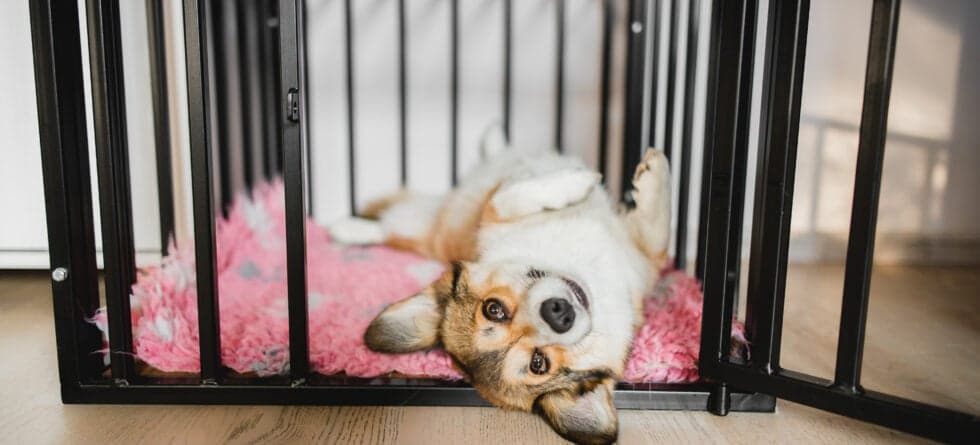
- Use a Crate or Playpen- If you’re crate training or using a playpen, this can give them a smaller space that feels secure while preventing them from getting into trouble.
Make the Most of Your Time at Home
- When you’re home, make sure to engage in active play, long walks, and training. Quality time with your dog is just as important as quantity.
- Provide mental stimulation through training sessions and interactive play, so your dog remains well-behaved and content.
Prepare for the Emotional Needs
- Dogs are social animals and can suffer from separation anxiety if left alone too often. Be prepared to gradually train them to stay alone, or offer calming tools such as comfort toys or soothing music.
- Leave them with items that have your scent, like a worn t-shirt, which can provide them comfort when you’re away.
Monitor Behavioral Changes
- Keep an eye on any signs of stress, like excessive barking, chewing, or accidents in the house. These can indicate that your dog isn’t coping well with being left alone.
- If you notice behavioral issues, you may need to make more time for additional help, whether it’s training, doggy daycare, or hiring someone for regular breaks.
Having a dog when you work long hours is possible, but it requires a commitment to ensuring they are mentally and physically satisfied. With the right setup, professional help when needed, and a solid routine, your dog can lead a happy, well-adjusted life even if you’re not always there.