
Can Labradors Be Left Alone During The Day?
By Puppy Dreams Editorial Team · September 22, 2026
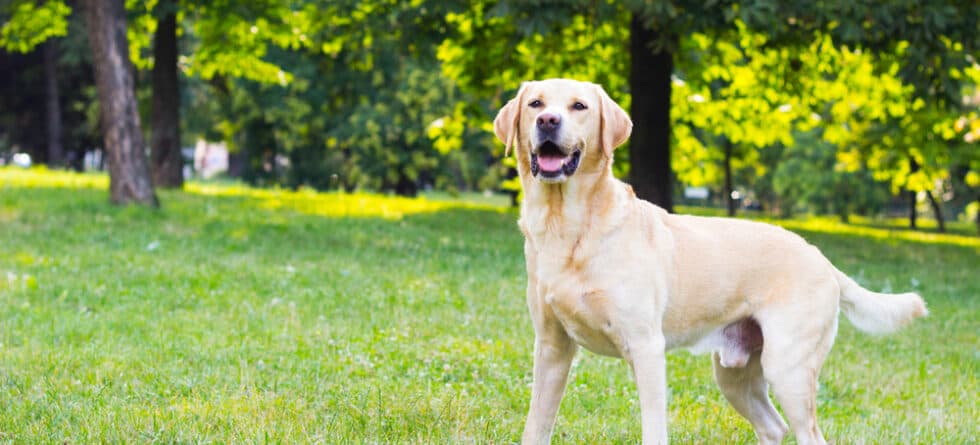
Labrador Retrievers are the ultimate family companions. Their gentle nature, loyalty, and affectionate personalities make them a favorite choice for homes across the country. But for people who work full-time jobs, attend school, or manage busy daily schedules, bringing a dog home raises a critical question: can Labradors be left alone during the day?
The simple answer is yes, adult Labradors can stay home alone for reasonable periods. However, because Labradors are naturally social, energetic, and people-focused, they cannot simply be left to figure things out on their own. Leaving a dog home alone requires careful planning, proper training, and an understanding of your dog’s physical and emotional limits.
Age, personality, health, and routine play huge roles in how long a dog can handle solitude. Learning how to set your Labrador up for success will ensure they remain safe, calm, and happy while you are away.
Why Labrador Retrievers Need Special Consideration
To understand how Labradors react to alone time, it helps to look at their history and temperament. Labradors were originally bred to work closely alongside human hunters, retrieving game from water and land. Generations of selective breeding built a dog that thrives on human partnership, mental engagement, and regular physical activity.
Because of this history, Labradors are naturally inclined to stay close to their human families. According to the American Kennel Club (AKC), Labradors are classified as an active, highly social breed. When left isolated without training or physical outlets, their natural energy and need for interaction can turn into stress or boredom.
Unlike more independent breeds, a Labrador will rarely spend eight straight hours sleeping peacefully unless their daily needs are met beforehand. Recognizing this trait allows pet owners to build a routine that respects the breed’s unique personality.
How Long Can a Labrador Be Left Alone? (Age Breakdown)
The amount of time a Labrador can safely stay home alone depends heavily on their stage of life. Young puppies need constant attention and frequent bathroom breaks, while adult dogs have stronger bladders and greater emotional independence.
8 to 12 Weeks Old: 1 to 2 Hours Maximum
Puppies at this stage have tiny bladders and cannot control their urinary sphincters for long periods. A general rule of thumb for puppy bladder control is one hour for every month of age. At eight weeks, a puppy needs a potty break every two hours at most.
Leaving a very young puppy alone for longer can lead to housebreaking setbacks, distress, and behavioral issues. Very young puppies also require regular feeding schedules and frequent human contact to build confidence in their new surroundings.
3 to 6 Months Old: 3 to 4 Hours
As puppies grow, their physical control improves, but their curiosity and energy levels skyrocket. A three-month-old puppy can generally hold their bladder for three hours, while a five-month-old can stretch to five hours in ideal conditions.
However, puppies in this age group are prone to teething and exploration. If left alone too long without supervision, they may start chewing on baseboards, shoes, or furniture to relieve boredom.
6 Months to 1 Year Old: 4 to 5 Hours
At this stage, young Labradors reach their physical peak in terms of playful energy. While their bladders can hold urine longer, their mental stamina for sitting quietly is still developing. High-energy adolescents need physical outlets before and after alone time to prevent destructive behaviors.
Adult Labradors (1 to 7 Years): 4 to 6 Hours (Up to 8 Hours with a Break)
A healthy adult Labrador can physically hold their bladder for six to eight hours. However, being physically able to hold it does not mean it is ideal for their overall well-being.
Leaving an adult Lab alone for six hours is generally manageable if they receive exercise before you leave and immediately upon your return. If your workday requires an eight-hour absence, arranging a mid-day visit or hiring a dog walker makes a major difference in their quality of life.
Senior Labradors (8+ Years): 2 to 6 Hours
As Labradors age, their bladder capacity and muscle tone may decrease. Senior dogs may also develop joint stiffness or age-related health conditions that make staying in one position difficult. Older dogs need predictable schedules, soft bedding, and more frequent opportunities to step outside.
The Risks of Leaving a Labrador Alone Too Long
When a dog’s basic physical or emotional needs are neglected during long stretches of alone time, problems naturally arise. Knowing the warning signs helps you step in before minor issues become major habits.
- Destructive Chewing: Labradors explore the world with their mouths. Boredom or frustration often leads to chewed couch cushions, shoes, drywall, or door frames.
- Excessive Barking or Howling: Dogs left alone for too long may vocalize out of distress or to seek attention from neighbors.
- Potty Accidents: Forcing a dog to hold their bladder past their physical capacity can lead to accidental messes, which can break down established house training habits.
- Separation Anxiety: Distinct from simple boredom, true separation anxiety is a stress response where a dog panics when separated from their owners. Symptoms include pacing, heavy panting, drooling, scratching at exit doors, or trying to escape.
How to Prepare Your Labrador for Success at Home
Teaching your Labrador to handle alone time peacefully is a step-by-step process. By creating a predictable routine and setting up a secure environment, you can build your dog’s confidence so they feel relaxed when you leave.
1. Burn Off Energy Before You Leave
Physical and mental fatigue are your best tools when preparing a dog for alone time. A tired Labrador is a resting Labrador.
Before heading out for the day, plan for at least 30 to 45 minutes of active exercise. A quick walk around the block is rarely enough for a young Lab. Try combining a brisk walk with a game of fetch, or spend ten minutes working on basic obedience training games to tire out their mind.
2. Create a Safe, Comfortable Environment
Giving your dog free run of the entire house immediately can be overwhelming, especially for young dogs. Setting clear boundaries helps them feel secure.
- Crate Training: A crate acts as a natural den for your dog when used correctly. It keeps young puppies from chewing electrical cords or swallowing harmful items while you are away. Ensure the crate is large enough for your Lab to stand up, turn around, and lie down comfortably.
- Designated Puppy-Proof Room: If you prefer not to use a crate for longer periods, dedicate a secure room (such as a laundry room or kitchen) blocked off with a sturdy pet gate. Remove anything dangerous or valuable from reach.
3. Provide Safe Mental Stimulation
Food-dispensing puzzle toys are exceptional tools for keeping a dog’s mind engaged. Stuffed rubber toys filled with peanut butter, canned dog food, or plain Greek yogurt can keep a dog busy for up to an hour. For an extra challenge, freeze the stuffed toy overnight before giving it to your dog as you walk out the door.
Make sure any toy left with your dog while unsupervised is tough, durable, and free from small parts that could present a choking hazard.
4. Practice Low-Key Departures and Arrivals
Making a big scene when you leave or return home can increase your dog’s anxiety. If you shower your dog with high-energy affection right before leaving, you create a sharp contrast between excitement and sudden isolation.
Keep your departures calm and quiet. Give your dog a simple cue, hand them their puzzle toy, and leave without prolonged goodbyes. When you return home, ignore high-jumping excitement for a minute or two until your dog settles down, then offer calm praise and head outside for a potty break.
Practical Daily Schedule for Working Owners
Structuring your day helps maintain consistency for your dog. Here is an example of a healthy routine for a working adult who owns an adult Labrador Retriever:
- 7:00 AM – Wake Up and Potty: Immediate trip outside, followed by breakfast.
- 7:30 AM – Morning Exercise: 45 minutes of brisk walking, fetching, or mental games.
- 8:15 AM – Wind Down: Settle the dog into their crate or safe room with fresh water and a frozen puzzle toy.
- 8:30 AM – Departure: Leave calmly without dramatic goodbyes.
- 12:30 PM – Mid-Day Break: A dog walker, family member, or neighbor stops by for a 20-minute potty break and stretch.
- 1:00 PM – Rest Time: Dog returns to their safe area with a fresh chew or quiet toy.
- 5:00 PM – Home Arrival: Immediate potty trip outside, followed by an evening walk, dinner, and quality family relaxation.
Solutions when Your Schedule Keeps You Away
If your daily schedule requires you to be away for eight to ten hours at a time, you can still provide a wonderful life for a Labrador by using external support services.
Professional Dog Walkers
Hiring a professional dog walker to visit your home once a day breaks up the long stretch of solitude. A mid-day visitor provides essential potty relief, fresh air, and social interaction that reduces afternoon restlessness.
Doggie Daycare
Enrolling your Labrador in a local doggie daycare one or two days a week is an effective way to burn off energy. Daycare gives your dog hours of supervised play with other dogs, leaving them well-exercised and ready to rest on the days they stay home.
Support from Trusted Dog Professionals
When bringing a new pet into your home, having access to clear advice makes every stage of ownership easier. At Puppy Dreams, we understand that modern families manage busy, full-time schedules. We believe every family deserves a happy, healthy companion, and every dog deserves a safe, loving environment.
We connect families with purebred AKC-registered puppies from ethical, USDA-licensed breeders. Beyond helping you find the right pup, we support pet parents for life with health guarantees and continuous guidance on training, care routines, and adjusting to life with a new dog. Whether you live nearby in Carrollton, Texas, or need free, stress-free white-glove delivery straight to your door anywhere in the country, we make sure your transition into puppy parenthood is safe, simple, and rewarding.
Frequently Asked Questions
Are Labradors more prone to separation anxiety than other breeds?
Labradors are social dogs that form strong bonds with their human family members. While they are not inherently unstable, their strong desire for human companionship means they can develop separation distress if left isolated for long stretches without proper training, routine, or exercise.
Is it safe to leave my Labrador in a crate all day while I work?
Leaving an adult dog in a crate for a full eight-to-ten-hour workday without breaks is not recommended. While crates are wonderful tools for safety and housebreaking, prolonged confinement can lead to joint stiffness, bladder discomfort, and behavioral frustration. If you must be gone for eight hours, arrange for a mid-day walker or transition your dog to a puppy-proofed room.
Should I leave a TV or radio on for my dog when I leave?
Yes, leaving background noise on can be very comforting for dogs. Playing soft music, white noise, or leaving a television on a calm channel masks sudden outside sounds (like delivery trucks or barking neighborhood dogs) that might otherwise startle your pet and cause barking.
Will getting a second dog solve my Labrador’s loneliness?
While a second dog can provide companionship, it is not a guaranteed fix for separation issues. If your primary dog suffers from anxiety or boredom due to a lack of exercise or training, adding a second dog may result in two anxious dogs rather than one. It is best to establish a solid routine and train your first dog before introducing a second pet to the household.
Building a Happy Routine Together
Leaving a Labrador home alone during the working day is entirely manageable when you combine daily physical exercise, mental enrichment, and clear boundaries. By recognizing your dog’s age-specific needs and building a predictable routine, you create a calm home environment where your dog feels safe waiting for your return.
What daily routine or favorite trick helps your dog stay calm and relaxed whenever you step out the door?