
The Top Dog Breeds Who Love Trail Running as Much as You Do
By Puppy Dreams Editorial Team · March 5, 2026
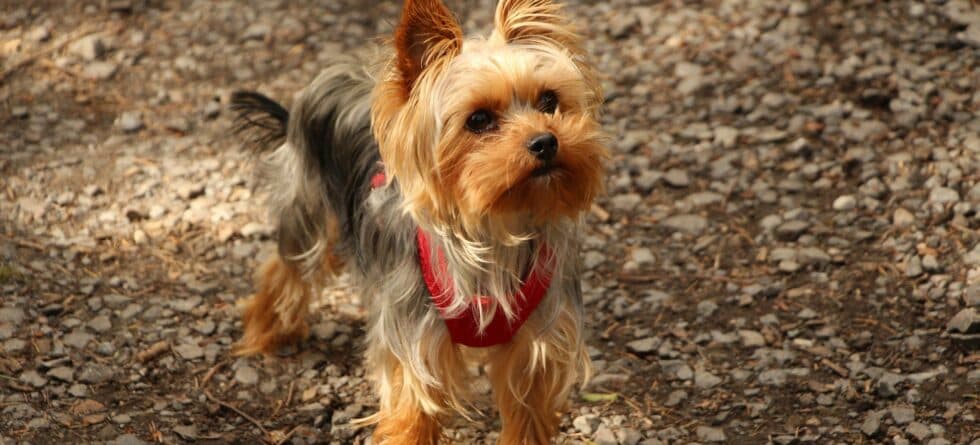
Want a dog who loves the trail as much as you do? Some breeds thrive on hills, mud, and long miles, while others overheat, burn out, or struggle on uneven terrain. If you're an active owner looking for a real running partner, choosing the right dog matters. Below, we’ll break down the best dog breeds for trail running, the traits that matter most, which dogs do best in heat vs. cold, and how to pick a trail buddy that fits your pace, your lifestyle, and your family. When you’re ready, Puppy Dreams can help you find a puppy that matches your routine, whether that means short wooded loops or weekend mountain miles.
Key Takeaways
- Top trail-running breeds: Border Collies, Vizslas, Weimaraners, German Shorthaired Pointers, Australian Cattle Dogs.
- Best in heat: Vizslas, Weimaraners, Rhodesian Ridgebacks. Best in cold: Siberian Huskies, Akitas, Bernese Mountain Dogs.
- The best trail traits: stamina, agility, focus, confidence on rough footing, and reliable recall.
- Great mixed breeds for trails: Catahoula–Lab mixes and high-energy terrier mixes can be excellent endurance partners.
- Best “sweet spot” size: medium athletic breeds often balance speed and portability (easier to lift/help if injured).
- Lower-shedding trail options: Standard Poodle (and some Doodle mixes, depending on coat genetics).
- Not suitable for running: brachycephalic breeds (Pugs, Bulldogs), and many giant/heavy breeds for long distances.
- Start running later: most dogs should begin real running around 18–24 months, then build gradually.
- Trail gear basics: harness, water, first aid, paw protection when needed—keep weight minimal.
NOTE: This guide is about trail running (steady pace over uneven terrain). For casual hiking, more breeds can generally do well with proper pacing.
What are the Best Dog Breeds for Trail Running?
The best trail-running dogs tend to be athletic, eager to work with you, and mentally “locked in” even with wildlife smells, cyclists, or sudden turns.
| Type | Best Picks | Why it Works |
|---|---|---|
| Fast endurance breeds | Vizsla, GSP, Weimaraner | long stride, stamina, athletic build |
| Compact power breeds | Australian Cattle Dog, Border Collie | focus, grit, agility |
| Cold-weather companions | Husky, Akita, Bernese | coat + cold tolerance |
| Lower-shedding options | Standard Poodle, some Doodles | athletic + potentially less shedding |
Which High-energy Breeds Do Best on Trails?
Precision answer: Border Collies, Australian Cattle Dogs, Vizslas, Weimaraners, and German Shorthaired Pointers.
Here’s why these breeds show up again and again as top trail partners:
- Border Collie: extreme endurance + focus, highly trainable, thrives with a job
- Australian Cattle Dog: tough, steady pace, durable feet, great uphill grit
- Vizsla: light, fast, heat-friendly coat, also very people-oriented
- Weimaraner: long stride, strong stamina, loyal “shadow runner” personality
- German Shorthaired Pointer: built for distance, handles rough terrain well, and has a high work drive
If you want a similar vibe with a slightly different personality, Australian Shepherds can also be excellent trail dogs, especially with strong recall training.
How do Australian Shepherds and Vizslas Compare on Trails?
Precision answer: Australian Shepherds are agile and handler-focused; Vizslas are fast, alert, and generally more heat-tolerant.
- Australian Shepherds tend to do well in cooler temps and variable weather thanks to thicker coats, but can overheat in warm climates if pushed too hard mid-day. They also may be more “reactive” to movement (bikes, squirrels), so trail manners matter.
- Vizslas typically tolerate warmth better due to their short coat, but may need a jacket on cold runs and can be more sensitive if under-socialized.
Which Mixed Breeds Work Well for Trail Running?
Catahoula–Lab mixes and active terrier mixes are often reliable endurance choices.
- Catahoula mixes are athletic, sharp, and often built for distance. Many will happily keep moving for hours if conditioned safely.
- Terrier mixes can surprise people. Some smaller, lean terrier-type dogs can handle moderate-to-long mileage with fewer joint issues due to lower body weight.
When choosing a mixed-breed trail dog, look for:
- Lean build (not barrel-chested/heavy)
- Confident movement on rocks/roots
- High engagement with the handler (checks in often)
- Good recovery after exercise
What Traits Make a Dog Ideal for Trail Running?
When you’re trying to choose the best dogs for trail running, it’s important to consider energy level, agility, stamina, and trainability (especially how well they recall training and instruction).
Trail running is not just “running on dirt.” It involves footing changes, elevation, distractions, and sometimes weather swings, all of which reward dogs that are physically capable and also mentally steady.
Key Trail-Dog Traits:
- Stamina + recovery: can run, rest briefly, then keep going
- Agility + body awareness: moves confidently over rocks, roots, narrow paths
- Focus + responsiveness: listens even when excited or curious
- Low-to-manageable prey drive: reduces sudden lunges/chasing
- Off-leash reliability (when legal): solid recall, heel cues, and “leave it”
IMPORTANT: The “best breed” can still be a poor trail partner without recall training, leash manners, and gradual conditioning.
Are Small or Medium Dogs Good for Trail Running?
Yes, if you choose the right type of dog and also match expectations to stride length, terrain, and temperature.
Can small breeds keep up on long trails?
Some can, especially athletic small breeds (like many terriers). Small dogs may also put less stress on joints due to lower body weight, but they can struggle with:
- Deep snow
- Sharp rock fields
- Extreme heat on exposed trails
Avoid flat-faced (brachycephalic) breeds like Pugs and many Bulldogs for running; they’re more prone to breathing and heat issues.
Which Medium Dogs Balance Speed and Portability Best?
Medium athletic breeds are often the “sweet spot” for trail runners:
- Australian Cattle Dog: durable, compact, tireless
- Vizsla: smooth stride, people-focused, heat-friendly
- Dalmatian: historically bred for endurance running alongside horses
- Catahoula mixes: rugged, energetic, generally built for distance
Which Trail Dogs do Best in Heat vs. Cold?
Trail safety changes a lot with temperature. Coat type, body shape, and breed history matter more than most people realize.
What Breeds Handle Heat or Humidity Best?
Precision answer: Vizslas, Rhodesian Ridgebacks, and Weimaraners.
These dogs often cool more efficiently thanks to leaner bodies and short coats. Still, any dog can overheat, so plan shaded routes, carry water, and avoid the hottest hours.
What Breeds Perform Well on Cold Mountain Terrain?
Precision answer: Siberian Huskies, Akitas, and Bernese Mountain Dogs.
Cold-ready dogs typically have double coats and thicker bodies. They can be great companions in winter conditions, but that doesn’t automatically mean they’re ideal for long-distance running at speed (some are better at steady effort than fast pacing).
If you’re looking for cold-weather companions, you can also explore breeds like Siberian Huskies or Golden Retrievers from Puppy Dreams.


What are the Best Low-shedding or “Hypoallergenic” Trail Dogs?
No dog is truly allergy-proof, but some shed less and may be easier for allergy-aware homes.
Good trail-friendly options:
- Standard Poodle: athletic, smart, great endurance, coat care required
- Labradoodle/Goldendoodle: can be good runners, but their coat type varies a lot by puppy
Discover more hypoallergenic breeds here.
Which Dogs are Not Good Candidates for Trail Running?
Some dogs may love being outdoors but are not built for sustained running, heat exposure, or uneven terrain.
Usually not suitable for trail running:
- Brachycephalic breeds: Pugs, English Bulldogs, French Bulldogs (breathing + heat risk)
- Very heavy/giant breeds for long mileage: Mastiffs, Newfoundlands (joint/heat load and also endurance limits)
- Dogs with known orthopedic issues: Confirm with a vet before starting a running plan
When Can You Start Trail Running with a Dog?
Most dogs shouldn’t do real running mileage until growth plates mature.
Practical guideline: start structured running around 18–24 months (varies by breed and size). Start with short, easy runs, then add distance gradually.
Watch for warning signs:
- Limping or stiffness later the same day or the next morning
- Slowing far earlier than usual
- Refusing jumps/steps into the car
- Excessive panting, drooling, or heat stress signals
What Trail Running Gear Should You Bring for Your Dog?
Keep it simple and light; your dog shouldn’t carry too much weight.
Trail essentials:
- Well-fitted harness
- Water + collapsible bowl
- Waste bags
- Basic first aid (wrap, antiseptic wipes, tick tool if relevant)
- Paw protection (booties or paw wax for sharp rock/hot ground)
TIP: If your dog is new to trails, prioritize water and pacing over distance goals. A confident, happy dog is the long-term win.
Can You Choose a Rescue Dog for Trail Running?
Absolutely; many rescue dogs become outstanding trail companions.
Look for:
- Young adult energy (often ideal for training and conditioning)
- Lean, athletic build
- Curiosity without panic (confidence outdoors)
- Willingness to check in with the handler
If possible, test a few short outings before committing to long-distance plans.
Choose the Best Pup for You at Puppy Dreams
When you find your new best friend at Puppy Dreams, our puppy counselors are here to support you. Ask questions, learn your puppy’s lifestyle, and work together to build the right plan for your dog. Contact us today for more information, including how to sign up for our Puppy for Life Program.