
Matching Your Lifestyle to Dog Breed Personality Traits
By Puppy Dreams Editorial Team · January 6, 2026
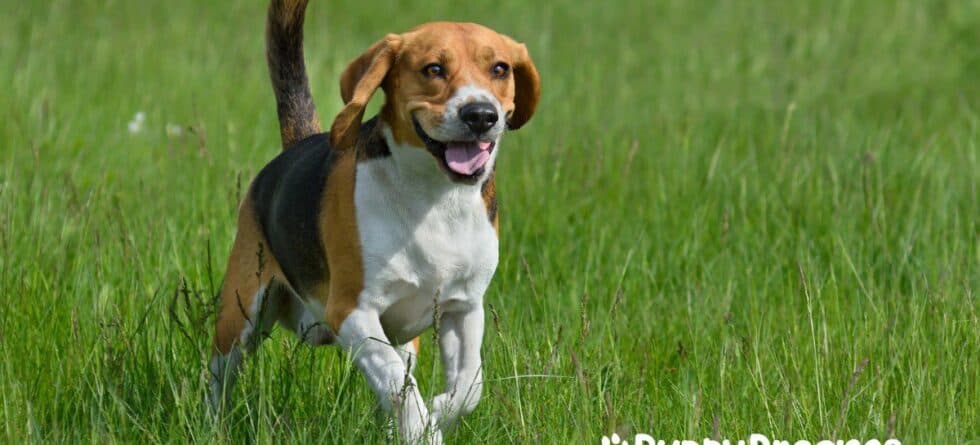
Not all dogs act the same. Breed plays a massive role in temperament and behavior. Some dogs are calm and quiet, while others bark at every leaf that blows by. Some want to herd your children while others just want to nap on your lap. If you are thinking about adding a puppy to your home, knowing what dog breed personality traits to expect from each breed is vital. Understanding these innate behaviors helps you find your best match and start your life together on the right paw.
Key Takeaways
- Herding breeds are intelligent and high-energy dogs that need structure to prevent boredom.
- Hound dogs can be stubborn but are generally very social.
- Sporting breeds like Labs and Goldens are eager to please and ideal for active families.
- Non-sporting breeds offer a wide variety of personalities, often adapting well to apartment living.
- Terriers bring high energy and boldness that requires consistent training.
- Toy breeds bond closely with their owners and work well for smaller living spaces.
- Working breeds are loyal and protective, but they need a job to do to stay happy.
Why Dog Breed Personality Traits Matter when Choosing a Puppy
Choosing a puppy is about more than falling in love with a cute face. Each breed group comes with instinctive behaviors shaped by generations of purpose, whether that means herding livestock, tracking scents, guarding property, or keeping close companionship. Understanding these tendencies before you choose a dog helps set realistic expectations and creates a smoother transition for both you and your dog.
When your lifestyle aligns with a puppy’s natural traits, training feels easier, routines settle faster, and the bond grows stronger. Learning about dog breed personality traits empowers anyone exploring options for puppy companions.
| Breed Group | Primary Motivation | Energy Level | Ideal Owner |
|---|---|---|---|
| Herding | Control and Work | High | Active families who enjoy training |
| Hound | Scent and Pack | Medium to High | Patient owners with fenced yards |
| Sporting | Retrieving and Play | High | Active individuals and families |
| Terrier | Hunting and Digging | High | Owners who appreciate feisty spirit |
| Toy | Companionship | Low to Medium | Apartment dwellers or seniors |
| Working | Protection and Duty | Medium to High | Experienced owners with space |
| Non-Sporting | Companionship | Varies | Adaptable owners (great for city life) |
Herding Dog Breed Personality Traits
Herding breeds are alert, active, and intelligent dogs that instinctively try to control movement. This group includes Australian Shepherds, Corgis, and Belgian Malinois.
These dogs often watch, chase, and attempt to corral anything that moves. This behavior comes directly from their history of rounding up livestock. This history makes them alert, quick to learn, and highly focused on their owners. Without proper training, you might see a herding dog try to nip at the heels of kids, other pets, or even guests in an attempt to organize them.
These breeds need plenty of constructive things to do. When they get bored, they tend to create their own fun, which usually involves chewing, digging, or barking excessively.
Border Collies are another option; they are incredibly smart and full of energy. They crave structure and clear rules. Without a leader, they may become anxious or destructive. Additionally, German Shepherds are a loyal and determined dog breed. They look to you for cues and enjoy tasks that have a clear goal.
Herding Dogs for Families vs. for Working Roles
Herding dogs can suit either family life or a working role, but they require a significant amount of daily activity and attention.
Good examples of this versatility are Collies and Australian Shepherds. A Collie is generally kind and gentle. Many families choose them because they are famously good with children and protective of their family unit. Australian Shepherds love having tasks to complete. They thrive in homes with backyard space, complex games, or involvement in dog sports like agility.
Their behavior usually depends on how they are raised and included in family life. If these dogs do not have a job, such as playing fetch or solving puzzle toys, they may misbehave. They do best when integrated into your daily routine, so you must plan active time for them each day.
Training Herding Dogs
Herding breeds are among the easiest breeds to train due to their high intelligence and focus.
They show a high willingness to learn when given the right guidance. They respond well to praise, games, and reward-based training. These breeds enjoy learning new actions but can dislike repetitive drilling. They thrive on variety and new challenges.
With steady effort, breeds like these can learn advanced commands quickly. Some even serve in complex support roles or search and rescue. Give your dog structure, and you will build a strong bond.
Hound Dog Breed Personality Traits
Hound dogs are independent thinkers driven by scent and strong pack instincts. Some Hounds include:
Beagles and Dachshunds are some of the most social hound dogs available. They were bred to work in large packs and enjoy the company of other dogs and humans. A Beagle often stayed with groups of dogs and hunters in the field. This history shaped their deep need for connection. They generally do not like being alone for long periods. A lonely hound will often bay, dig, or chew to relieve stress. Dachshunds also bond deeply with their families. They may be cautious with strangers at first, but remain fiercely devoted to their people.
Scent Instincts and Hound Dog Behavior
Hound dogs follow their noses more than they follow voices. Their incredible senses of smell dictate their world. Once they pick up an interesting scent, they may ignore commands completely. This instinct goes back to when they tracked prey over miles of terrain. During walks, this can turn into a tug-of-war, so leash training matters from day one. Fenced yards are also a necessity for most hounds. Their strong noses make them curious and easily distracted, meaning they will wander off if not secured.
Hound Dog Stubbornness and Anxiety
Hounds can be stubborn and prone to anxiety, but structure helps manage these traits.
Many hounds seem stubborn because they were bred to make decisions on their own while hunting. This does not mean they are not smart. They are intelligent, but they prefer a good reason to follow commands. Praise, high-value treats, and games work better than tough discipline.
Hounds may also deal with separation anxiety. They form tight bonds and struggle with long stretches alone. Crying, chewing, or accidents might surface during sudden changes to their routine. If you want loyalty, curiosity, and a big heart, a hound may be a great fit. However, do not expect instant obedience from these breeds without patience.
Sporting Dog Breed Personality Traits
Sporting dogs are energetic, eager to please, and generally make excellent family companions.
Labs and Golden Retrievers are kind, smart, and love people. Labs are outgoing and eager to please everyone they meet. They love games of fetch and learn new tricks quickly. These dogs thrive on companionship and being part of the action. Goldens are known for being calm and patient. They typically get along with kids and other pets and are easy to train. Both breeds enjoy active lifestyles and need daily engagement. They do not like being alone, so they are best in homes where people are around often. These dog breed personality traits make them popular among families and first-time owners.
Cocker Spaniels thrive on praise and physical affection. Their warm expressions and floppy ears make them lovable, but their personality keeps them popular. Like many sporting breeds, they aim to please and follow direction well. However, too much time alone can lead to boredom and destructive chewing. Springer Spaniels are similar in personality. They are sweet but packed with energy. They need outdoor time, social contact, and fun tasks to stay balanced.
Sporting Dog Intelligence and Training
Sporting dogs are known for their quick learning and intense focus.
Breeds like Labs and Spaniels consistently score high on intelligence rankings. They follow commands easily and pick up games fast. This skill makes them great for roles ranging from fetching tennis balls to serious support work. Short, consistent lessons with praise work best. Their sharp noses can be managed through focused training. When well-taught, they make polite and fun companions for almost any home.
Non-Sporting Dog Breed Personality Traits
Non-sporting breeds are a diverse group that emphasizes companionship above all else.
Bulldogs and French Bulldogs are known for their calm and loving nature. Bulldogs prefer rest and a quiet home environment. Frenchies are playful and friendly, making them ideal for smaller homes and apartments. These breeds are more couch companions than hiking partners. They do not need much exercise, but they do need plenty of human connection.
These breeds are charming and bring smiles to their owners. English Bulldogs move slowly and snore loudly but stay close to their people. French Bulldogs are curious but tire quickly. Due to their shorter noses, both breeds do poorly in hot weather and do not tolerate heavy play.
Personality Differences Within Non-Sporting Group
Although grouped together, non-sporting breeds show a wide variety of traits. Poodles are quick learners. They do well with advanced training and mental games. Families who want a proud and bright dog may love a Poodle.
Boston Terriers are small, cheerful, and affectionate. They greet guests with joy and love cuddles. They may bark less than many toy-sized dogs. Their stylish coats earned them the nickname "the American Gentleman." Boston Terriers strike a balance between polite behavior and silly antics.
Breeds like Lhasa Apsos or Shar-Peis tend to be quieter and more reserved. They may take longer to get used to strangers.
Non-Sporting Dogs and Apartment Living
Many non-sporting breeds do well in apartments with proper care. Some breeds who are calm indoors and need limited exercise include:
- French Bulldogs
- Boston Terriers
- Bulldogs
- Miniature or Toy Poodle
The key for clever breeds is providing stimulation, even indoors. Give these dogs areas to rest, safe toys, and regular walks. Even the relaxed ones appreciate fresh air and play.
Terrier Dog Breed Personality Traits
Terriers are bold, energetic, and often headstrong. They were bred to hunt and dig for vermin, and those habits remain strong today. A Jack Russell Terrier, for example, has boundless energy. They love to play, chase, and dig wherever they can. Their courage and enthusiasm are exciting but demand effort from their owners to keep contained.
Many terriers still follow old instincts to hunt. They may bark often or chase smaller pets like cats or hamsters. Some will dig under fences or shred plush toys to pieces. These actions reflect their strong minds and high energy. When bored, terriers can be destructive. Puzzle toys or scent activities offer healthy outlets for this drive.
Training a Terrier to Stop Destructive Habits
You can train terriers, but it takes consistent effort.
Early training helps the most. Use short sessions, clear commands, and high-value rewards. Terriers respond well to treats and games that mimic hunting. Be consistent because they often test limits. Even bright terriers tend to make their own choices. Training must mix firmness with fun.
Terriers fit families who enjoy action and creative thinking. These dogs often dislike sitting still for too long. Many are among the most energetic and enthusiastic breeds you can find. Without an outlet, you may find a mess instead of a calm companion. If you enjoy spirit, humor, and high energy, a terrier may suit you best.
Toy Dog Breed Personality Traits
Toy breeds are affectionate lap dogs that often bond intensely. Yorkies and Chihuahuas show strong character in small frames. Yorkies once chased rats in factories, which was a brave job for such a little dog. Chihuahuas can act like guardians of the home. Pomeranians, despite being fluffy and cute, like to take charge of their environment. They may bark at strangers or small sounds to alert you. Their size rarely matches their big attitude.
Toy Breeds Suit Single-Person Households
Many toy breeds bond most with just one person.
Chihuahuas and Papillons often get very attached to their primary caretaker. This makes them great for adults living alone or seniors. They love staying close and following their person around the house. Breeds like the Maltese or Pekingese prefer quiet homes. Large families with loud kids may be overwhelming for them. They show deep love but want peace and gentle handling.
Small Dogs and Level of Attention Needed
Some small dogs enjoy alone time, while others need near-constant closeness.
Pekingese may nap quietly for hours. However, dogs like Shih Tzus or Italian Greyhounds prefer staying nearby at all times. Toy Poodles need daily attention and play to stay happy. If left alone too long, some may act out or become depressed. That is why knowing specific toy dog breed personality traits really matters. Although they are all small, their needs are not the same. Your time and home life should fit the nature of the dog.


Working Dog Breed Personality Traits
Working breeds are large, intelligent dogs. Boxers and Dobermans are protective by tradition, not aggressive by nature. These dogs were bred to watch property and serve humans. This intent remains in their DNA. Boxers are loyal, goofy, and alert. Dobermans are focused, sensitive, and brave. They form strong bonds with their families. They need early structure and consistent rules to thrive.
Great Danes: Gentle Giants
Great Danes tend to be kind and soft-natured, despite their massive size. They are often referred to as "gentle giants." They prefer calm homes with enough space to relax. Their size may seem scary to strangers, but their personality rarely is. They are generally good with kids and often act like lap dogs despite weighing over 100 pounds. With consistent attention, they stay balanced. However, if ignored too long, they get stressed.
Huskies: Unique Working Breed
Huskies are social and energetic. They enjoy company and usually greet strangers rather than guard against them. This breed was bred for pulling sleds, not for protecting property. They need space, games, and consistent time outside. With all their energy, they are tricky for new dog owners. Unlike Boxers or Mastiffs, they are not focused on guarding you. Huskies may howl or dig if left alone. Some working breeds can look tough. With early bonding and training, they become devoted and steady partners.
The Impact of Genetics and Environment on Behavior
Genetics provide the blueprint for behavior, but environment builds the house.
Genes influence traits like trainability, chasing instincts, and fear of strangers. A study of thousands of dogs found strong links between behavior and breed-specific DNA patterns. These patterns explained about 15% of personality traits seen across breeds. Some traits like task learning or alertness are passed down more clearly. Border Collies, for example, often score high in focus and purpose regardless of where they are raised. However, genes do not tell the complete story.
Early Training and Dog Temperament
Early exposure reduces fear and boosts sociability for puppies. Dogs develop most between seven weeks and four months of age. Meeting new people and pets during that time helps build confident dogs. Dogs with more social exposure early on are typically less wary and easier to teach later. One study showed that time spent with others in puppyhood reduced fear and increased friendliness. For certain breeds, such as Dobermans and Boxers, early lessons minimize extreme guarding instincts. Without them, dogs may become nervous or overly watchful.
Finding the Perfect Companion at Puppy Dreams
Choosing a puppy is about more than just looks; it is about finding a personality that complements your life. Herding dogs offer alertness, hounds bring curiosity, and sporting dogs provide endless fun. Toy breeds offer deep loyalty, while working breeds provide protection and service. Take the time to identify what you need most in a companion, whether that’s an energetic partner for outdoor adventures, a calm presence at home, or a loyal family dog. From there, finding the right puppy becomes a thoughtful, confident decision rather than a guess.
Puppy Dreams makes that process easier by connecting families with happy, healthy puppies and clear, helpful information about breed traits, care needs, and next steps. With a focus on responsible practices and supporting both puppies and their future families, Puppy Dreams helps ensure that bringing home a new dog is a positive experience from the very beginning. If you’re ready for your puppy dreams to come true, find the perfect fit for your next best friend at PuppyDreams.com today.