
Dog Breeds for Kids: Which Breed is Best for your Family
By Puppy Dreams Editorial Team · November 25, 2025
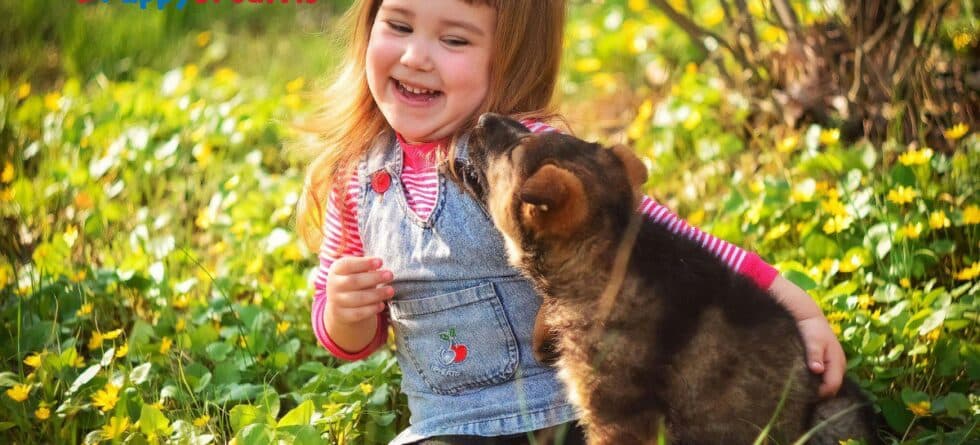
Your kiddo has been begging for a puppy for months, but you're worried about finding a breed that can handle the chaos of family life. The best dog breeds for kids need to be patient when toys get waved in their face, gentle during clumsy hugs, and calm when the house fills with noise. Will a large breed accidentally knock over your toddler? Which breeds naturally bond with children and stay patient through the ups and downs of childhood?
Key Takeaways:
- Golden Retrievers, Labrador Retrievers, and Beagles rank among the top dog breeds for kids because they're gentle, patient, playful, and respond well to training.
- Active breeds like Boxers and Australian Shepherds thrive in busy households where children provide plenty of play and interaction.
- Small apartment-friendly options, including Boston Terriers and Cavalier King Charles Spaniels, adapt well to limited space while remaining gentle with young children.
- Large gentle breeds such as Collies, Newfoundlands, and Bernese Mountain Dogs offer calm temperaments and protective instincts.
- Hypoallergenic choices like Standard Poodles and Portuguese Water Dogs produce less dander for allergy-sensitive families.
- Mixed-breed dogs from shelters often cost less, come with fewer inherited health issues, and bond strongly with children when properly matched.
- Early training, consistent supervision, and teaching children respectful handling create safe relationships between dogs and kids.
Understanding the Best Dog Breeds for Kids
Golden Retrievers consistently top lists of dog breeds for kids due to their calm, loyal, and intelligent nature. These dogs demonstrate remarkable patience with children, tolerating ear tugs and dress-up games without complaint. They love outdoor activities like fetch, swimming, and long walks. Parents appreciate their watchful presence without aggressive tendencies. Golden Retrievers require weekly grooming and daily exercise to maintain their health.
Labrador Retrievers offer similar family-friendly qualities with an outgoing, enthusiastic personality. Labs bond quickly with all family members and want to participate in every activity. Their friendly disposition and eagerness to please make them highly trainable. Labs have strong, energetic builds that require daily walks and play sessions. Regular brushing helps manage their moderate shedding.
Beagles provide a smaller alternative for families seeking dog breeds for kids in more compact homes. These curious, affectionate dogs weigh less than Golden Retrievers or Labs, making them easier to manage in tighter spaces. Beagles love long walks and exploring with children, and their gentle nature helps them stay calm even during noisy play.
Playful Yet Patient Breeds for Active Families
Boxers balance high energy with deep family loyalty, making them excellent companions for active children. These dogs love chasing balls, running alongside bikes, and keeping pace with fast-moving kids. Their protective instincts mean they watch over children with loving vigilance. Children enjoy their goofy personality and playful spirit. Young Boxers can be bouncy and may accidentally knock over small children, so early training establishes important boundaries.
Australian Shepherds require active families willing to invest time in training and exercise. Bred as herding dogs, they may try to "herd" children by nipping or circling without proper guidance. Families with time for structured training can redirect these instincts into positive behaviors. Once trained, Australian Shepherds become fun, loyal companions who excel at puzzle toys, hiking, and fetch.
Small Dog Breeds for Kids in Apartments
Boston Terriers pack big personality into compact 25-pound bodies, making them ideal for city living and smaller homes. These friendly, polite dogs enjoy short walks and rarely bark excessively. Children love their playful yet snuggly nature. Boston Terriers require minimal grooming and adapt seamlessly to apartment routines.
Cavalier King Charles Spaniels offer calm affection, perfect for families with toddlers. Weighing between 13 and 18 pounds, these gentle dogs are sturdy enough for play yet light enough for comfortable cuddles. They don't require extensive exercise and often form strong bonds with individual children. Cavaliers get along well with other pets and maintain easygoing temperaments.
| Breed | Size | Energy Level | Best For |
|---|---|---|---|
| Boston Terrier | 15-25 lbs | Moderate | Apartments, polite play |
| Cavalier King Charles Spaniel | 13-18 lbs | Low-Moderate | Toddlers, calm households |
| Beagle | 20-30 lbs | High | Active families, exploration |
| Boxer | 50-80 lbs | High | Energetic kids, outdoor play |
Gentle Large Breeds Safe for Children
Collies combine remarkable intelligence with naturally calm temperaments, making them excellent choices among dog breeds for kids. They learn commands quickly and seem to intuitively understand their family's needs. Collies rarely bark without reason and seldom react with aggression, which provides reassurance around curious young children.
Newfoundlands earn their "gentle giant" reputation through calm, patient interactions with even the smallest children. These large dogs remain undisturbed by sudden noises and often position themselves near toddlers as quiet companions. Males can exceed 130 pounds, so families need adequate space. Early obedience training helps with control despite their gentle nature.
Bernese Mountain Dogs form close bonds with children and enjoy participating in family activities. They love outdoor time, from walks to snow play to group games. These dogs grow over 100 pounds and need room to move comfortably. With outdoor space and a relaxed home environment, Bernese Mountain Dogs become comforting, loyal presences for children.
Hypoallergenic Dog Breeds for Kids with Allergies
Some children long for a dog despite suffering allergic reactions to pet dander and shedding fur. Hypoallergenic breeds either shed less or produce fewer allergens, though no dog is completely allergen-free.
Standard Poodles offer brilliant minds and minimal shedding. Their tightly curled coats trap dander close to the skin rather than releasing it into the air. Regular haircuts and brushing prevent buildup. Poodles learn commands quickly and respond well to fair, consistent training. They balance playfulness with peaceful temperaments, building trust with children over time.
Portuguese Water Dogs suit energetic families seeking hypoallergenic options. These dogs shed minimally and have water-resistant coats requiring regular brushing. Their history as working dogs means they excel at swimming and water games. They thrive with long walks, training routines, and close family involvement.
American Hairless Terriers produce fewer airborne irritants due to their complete lack of fur. These dogs need regular baths to maintain healthy skin and require sunscreen or shade outdoors. Hairless Terriers are curious, small, and fit well in compact homes. They enjoy games, walks, and staying close to family members.
Matching Breed Characteristics to Family Lifestyle
Small breeds like Cavalier King Charles Spaniels match quieter, more predictable routines. Active dogs, including Labrador Retrievers, suit families constantly on the move. City living requires calm, compact pets, while homes with yards can accommodate energetic breeds that need space to run.
Dogs with calm dispositions and a willingness to learn create the most successful family relationships. Breeds like Poodles and Golden Retrievers pick up commands quickly and enjoy working with people. This trainability helps children learn responsible pet care habits while ensuring the dog behaves appropriately.
Safety Guidelines for Kids and Dogs
Adult supervision during dog-and-child interactions reduces injury risk and reinforces safe behaviors. Even well-trained dogs may snap when accidentally hurt or startled by sudden movements. Establish clear rules like "no grabbing," "gentle touches," and "quiet voices" to help both dogs and children understand expectations.
Labrador Retrievers, Golden Retrievers, and Boxers demonstrate steady temperaments during noisy or rough play. These breeds are physically sturdy and emotionally forgiving. Despite their tolerance, every dog needs rest periods and respectful space. Teach children to recognize stress signals like stiff body posture or walking away.
Early training helps dogs develop confidence and appropriate social behaviors. Puppies need exposure to various people, sights, sounds, and environments. Focus on basic commands, including sit, stay, gentle, and come. Reward calm, positive responses and avoid harsh corrections. Ongoing training throughout the dog's life maintains good behavior.


Frequently Asked Questions About Dog Breeds for Kids
What is the best age to introduce a dog to young children?
Most experts recommend waiting until children are at least five or six years old before bringing home a puppy. Toddlers lack the motor control and understanding needed to handle dogs gently. If you have very young children, consider adopting an adult dog with a proven track record around kids. Older dogs often have calmer temperaments and won't nip or jump like puppies do.
How do I teach my child to interact safely with our new dog?
Start by demonstrating gentle petting techniques and appropriate play. Teach children to avoid bothering dogs during meals, sleep, or when the dog walks away. Show them how to recognize stress signals like yawning, lip licking, or a tucked tail. Practice "asking permission" before petting by having the child call the dog over rather than approaching.
Can large dog breeds really be safe around small children?
Yes, when properly trained and supervised. Breeds like Newfoundlands, Golden Retrievers, and Bernese Mountain Dogs are known for gentle, patient temperaments despite their size. Large breeds often move more slowly and deliberately than small, excitable dogs. The key is early socialization, obedience training, and never leaving very young children unsupervised with any dog.
Practical Steps for Choosing the Right Breed
Step One: Assess Your Family's Lifestyle and Space. Honestly evaluate your daily routine, activity level, and available space. Consider who will handle primary dog care responsibilities like feeding, walking, and grooming. Match these realities to breeds with compatible needs; active families can handle high-energy breeds while busy households may need calmer, more independent dogs.
Step Two: Research and Meet Potential Breeds. Use resources like breed selector tools to narrow options based on your lifestyle assessment. Read about grooming requirements, common health issues, and training needs for each breed. Visit local shelters, breed-specific rescues, and responsible breeders to meet dogs in person. Observe how different breeds interact with your children during visits.
Step Three: Prepare Your Home and Children Before Arrival. Puppy-proof your space by removing hazards and establishing dog-free zones. Purchase necessary supplies, including food, bowls, a collar, a leash, a crate, and toys. Teach children the house rules for dog interaction before bringing your new pet home. Set up a consistent feeding, walking, and training schedule that fits your family's routine.
Dog Breeds for Kids at Puppy Dreams
Choosing the right dog breeds for kids transforms your family dynamic and provides your children with a loyal companion through their growing years. The perfect match considers your children's ages, your family's activity level, available space, and everyone's commitment to training and care.
At Puppy Dreams, we understand that selecting a family dog is one of the most important decisions you'll make for your household. We connect families with resources, expert guidance, and breed-specific information to help you find a dog that fits seamlessly into your life. Our approach emphasizes matching individual dog personalities to family needs rather than relying solely on breed stereotypes.
Whether you're drawn to the gentle patience of a Golden Retriever, the compact friendliness of a Boston Terrier, or the unique personality of a mixed-breed rescue, the right preparation ensures success. Visit our website for detailed breed information, or contact our team to discuss which breeds might work best for your specific situation. Your children deserve a four-legged friend who will grow up alongside them, creating memories that last a lifetime.