
Looking for Dog Breeds That Love Water? These Pups Are Naturals
By Puppy Dreams Editorial Team · March 3, 2026
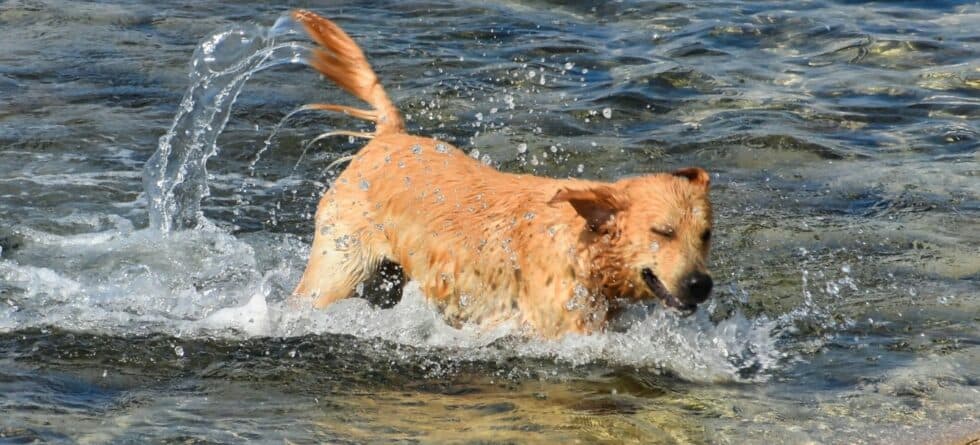
If you’re dreaming of lake days with a pup that loves to splash, you’re in luck. Some dogs aren’t just okay with water; they were born to swim. Here’s a guide to dog breeds that love water and take to it naturally. From big water lovers to smaller swimmers, we’ll cover great picks for many homes. Looking for the right puppy to make waves with your family?
Key Takeaways:
- Water-loving breeds often have webbed feet, water-resistant coats, strong tails, broad chests, and muscular limbs.
- Top large aquatic breeds: Newfoundland (rescue work), Chesapeake Bay Retriever (cold-water hunter), Otterhound (river tracker).
- Best medium-sized swimmers: Golden Retriever, Irish Water Spaniel, Lagotto Romagnolo, Boykin Spaniel, American Water Spaniel.
- Friendly small water-loving breeds: American Water Spaniel, Spanish Water Dog, Barbet.
- Hypoallergenic swimmers: Portuguese Water Dog, Standard Poodle, Lagotto Romagnolo, Spanish Water Dog.
- Great for water sports: Labrador Retriever, Nova Scotia Duck Tolling Retriever, Standard Poodle, Boykin Spaniel.
- Easiest to groom: Standard Poodle, Portuguese Water Dog, Curly-Coated Retriever, Spanish Water Dog.
- Good with families: Golden Retriever, Labrador Retriever, Barbet, Flat-Coated Retriever, Chesapeake Bay Retriever.
- Rare swimmers: Otterhound, Lagotto Romagnolo, Barbet, American Water Spaniel.
What Makes Certain Dog Breeds Naturally Drawn to Water?
Some dogs don’t just enjoy water; they’re built for it. They jump in happily and have the right features to swim well.
Some Physical Traits Support Swimming Ability in Dogs
Generally, many natural swimmers share a few key traits. Webbed feet help them paddle better, giving more speed and control. Breeds like the Labrador Retriever often have larger paws with webbing between the toes, helping each stroke feel smooth and steady.
Coats also matter. Many have dense, water-resistant fur. The Irish Water Spaniel has tight curls that shed water. Others, like the Chesapeake Bay Retriever, have oily coats that help keep moisture out.
These dogs also have strong tails for balance and steering. Labrador Retrievers have broad “otter-like” tails that help guide them. Even big dogs like Newfoundlands stay steady in the water thanks to strong tails and good lung power.
Broad chests and strong limbs add to their swimming ability. Newfoundlands and Otterhounds use muscle to push through rough water.
Breed History Influences Affinity for Water
Many breeders developed certain dog breeds for water-based jobs. For example, trainers taught retrievers to bring birds back from lakes or rivers. Over many generations, that kind of work becomes instinct.
Retriever breeds also have roots in water tasks. Labrador Retrievers helped fishermen haul nets. Portuguese Water Dogs carried messages and gear between boats. Otterhounds tracked otters along British rivers. Boykin Spaniels helped flush ducks in wet areas.
Even the Lagotto Romagnolo, now famous for finding truffles, once retrieved birds from marshes. Their past shaped what they naturally enjoy today.
Behavioral Characteristics that Signal a Natural Swimmer
A confident jump into water is one clue. Another dog keeps chasing toys into lakes without getting tired. Many water breeds have strong focus and stamina.
Retrievers often lock in on floating objects and ignore distractions. Some dogs, like the Nova Scotia Duck Tolling Retriever, use playful movement near water to attract birds, behavior tied to instinct.
Many of these dogs also need activity and direction. Without enough exercise, they can get bored or frustrated. They usually do best in active homes with walks, games, and training.
Which Large Dog Breeds are Best for Water Adventures?
The Newfoundland is a top pick. This giant breed is gentle and powerful in the water; originally, it was developed for rescue work and also helping fishermen in Newfoundland, Canada. Webbed feet, a wide chest, and a thick, oily coat help it swim strongly, even in cold water. Some still work in rescue roles today.
Chesapeake Bay Retrievers (often called “Chessies”) are confident, tough swimmers. Their oily double coat helps keep water out and body heat in. They generally handle cold, rough conditions well and can even break through ice to retrieve ducks.
The Otterhound is rare but talented. It has webbed feet, a thick double coat, and also a strong nose that works well around water. It was used to track otters in U.K. rivers and can swim long distances. It’s playful, curious, and loves exploring with its people.
What are the Top Medium-sized Dog Breeds that Love Water?
Golden Retrievers are a family favorite. They’re patient, friendly, and usually great around kids near water. Their coats help them stay warm, and they tend to make water play fun and social.
Historically, people bred the Irish Water Spaniel to retrieve birds in cold water. It has high energy, a smart personality, and a curly coat that helps it stay warm and dry faster.
The Lagotto Romagnolo has a long history of water work in Italy. Today it’s known for truffle hunting, but many still love splashing in streams. It’s smart and often easier to manage than larger working dogs.
Boykin Spaniels are eager swimmers with a strong work drive. They do well with kind, consistent training and enjoy both active days and quiet time with their family.
The American Water Spaniel was also developed to retrieve game from boats in the Midwest. It’s sturdy, enjoys swimming, and can handle narrow creeks and moving water.
What Small Swim-loving Dogs are Ideal for Families or Apartment Living?
The American Water Spaniel stands out. It’s small but tough and was created to hunt from boats. Many weigh around 25 to 45 pounds, and they often have curly coats and webbed feet.
The Spanish Water Dog also excels at herding and swimming. Breeders developed it to work effectively both on land and in water. Its curly coat helps protect it, and it tends to stay loyal and focused.
Looking for something rare? The Barbet is a French water dog with a long, water-resistant coat. Sometimes called a “mud dog,” it’s often calm indoors and playful outside, making it a nice fit for family life.
Are There Hypoallergenic Dog Breeds that Love Water?
Yes. Portuguese Water Dogs and Standard Poodles are popular choices for people with allergies.
Portuguese Water Dogs have tight, low-shedding curls that can reduce dander around the house. They do need brushing and trimming, but they’re energetic and were bred for work with fishermen.
Standard Poodles also have a water-dog history. Generally speaking, their dense curly coats helped them swim in colder water. They’re smart, friendly, and usually love swimming and fetch. Their coats are low-shedding but need regular grooming.
Lagotto Romagnolos and Spanish Water Dogs are other allergy-friendly options that often love water, though they can be harder to find.

Which Dog Breeds are Best for Water Sports and Activities?
Among the more athletic dog breeds that tend to love water, Labrador Retrievers often lead in water sports like dock diving and, additionally, a solid game of fetch. They’re toy-driven, powerful, and built for jumping and swimming. Their tails help steer like rudders.
Nova Scotia Duck Tolling Retrievers are smaller but intense and fast, often loving high-energy water fetch.
Curly-Coated Retrievers and Chesapeake Bay Retrievers also do well, especially in colder water. Some dogs can even reach very long dock-diving jumps.
For calmer activities like paddleboarding, Boykin Spaniels can be steady and focused. Standard Poodles and Portuguese Water Dogs can also do well because they’re smart, balanced, and responsive.
For boating and strong open-water swimming, Newfoundlands are a classic choice. Barbets and American Water Spaniels can also be fun, reliable water companions.
Always keep water safety in mind. Life vests are a good idea for new swimmers, small to medium dogs (though they’re also recommended for large dogs if the water is deep or if the dog is aging), or rough water.
How Do You Train a Dog to Enjoy Swimming?
Start early. Puppies as young as 8 weeks can begin with shallow water.
- Choose a calm place like a small pool area or a quiet part of a lake. Let your dog explore at its own speed, and never push it into the water.
- Reward confident steps with treats, praise, or affection. Keep early sessions short so your dog doesn’t get stressed or tired. End on a positive moment.
- A life vest with a top handle can help first-time swimmers and smaller dogs. Stick to safe spots without strong currents, sudden drop-offs, or cold water at the beginning.
- Make exits easy with ramps or steps. Dogs swim more confidently when they know how to get out.
- As your dog improves, add simple games like short water fetch. Let water become part of normal life; creeks, puddles, and splash pads can all build comfort.
Most dogs can learn to swim, but they do best with patience, gentle support, and steady practice. It’s easier with a puppy from one of the dog breeds that naturally love water, but it’s largely dependent on temprament, care, and handling; not every retriever loves a swim, and some less aquatically-inclined breeds may also surprise you.
Which Water-loving Breeds are Easiest to Groom and Maintain?
Some water dogs shed less and can be easier to live with indoors.
Portuguese Water Dogs, Standard Poodles, and Spanish Water Dogs are often low-shedding. Their curls catch loose hair, but that also means you need brushing and trimming to prevent mats.
| Breed | Coat type | Maintenance (brushing, trimming, mat risk) | Swimming ability |
|---|---|---|---|
| Portuguese Water Dog | Dense, water-resistant coat; can be curly or wavy; single coat (typically low-shedding) | High: brush several times per week (more if kept longer); professional grooming/trim about every 4–8 weeks; mats form easily if brushing is skipped (especially behind ears, armpits, collar area) | Excellent: bred to work in water; strong swimmer with high stamina and “water dog” drive |
| Standard Poodle | Tight, curly coat; single coat (low-shedding) | High: frequent brushing/line brushing to prevent mats; professional grooming typically every 4–6 weeks depending on clip; high mat risk if coat is allowed to grow out without routine care | Excellent: naturally strong swimmer; originally a water retriever; most enjoy water when introduced positively |
| Spanish Water Dog | Rustic woolly curls that form cords naturally; single coat (low-shedding) | Moderate to high (specialized): traditionally not brushed (to avoid frizzing/separating curls); coat is managed by keeping an even length and separating cords by hand; shearing/clip-down a few times per year (or more often for pet trims); mat/cord control is essential | Very good to excellent: historically used for water work; generally confident swimmers, especially with early exposure |
Dense curls and shorter coats often dry faster. The Lagotto Romagnolo can also be easier to maintain if kept trimmed. Curly-Coated Retrievers usually need occasional coat care, not constant brushing.
Remember: low-shedding doesn’t mean low-maintenance. These coats can mat quickly after swimming, so plan for brushing, clipping, and regular grooming. Quick-dry towels and the right brush can help a lot.
How Do Water Dogs Behave in Family Environments?
Water-bred dogs are often cheerful, social, and people-focused, which can make them great family pets.
Many are also excellent with kids an other pets. Labrador Retrievers and Flat-Coated Retrievers are often gentle and friendly. Curly-Coated Retrievers can be calm and steady at home.
Portuguese Water Dogs often bond well with kids while staying low-shedding. Newfoundlands, despite their size, are usually calm and careful around children.
Balancing Activity and Calm
Dog breeds with a love for water like Chesapeake Bay Retrievers can be energetic outside and relaxed inside. Boykin Spaniels often adjust well to both busy and quiet homes.
Barbets are known for a calmer personality with playful energy when it’s time to go outside.
Playful Water-lovers
Golden and Flat-Coated Retrievers often shine in group games like fetch and splash time. Nova Scotia Duck Tolling Retrievers are also lively and enjoy family routines.
Swimming together can build trust and strong bonds, especially with dogs that love to work and play alongside their people.
What are Some Rare Swimming Dog Breeds Worth Considering?
Some excellent swimmers are still not well known.
- The Barbet is one of France’s oldest water dogs. It has webbed feet, a water-resistant coat, and a love for messy outdoor fun. It’s still rare in the U.S.
- Lagotto Romagnolos worked in wet, swampy areas in Italy and once retrieved birds from marshes. Many still enjoy swimming today.
- Otterhounds were bred to track otters in rivers and are very rare worldwide. Their webbed paws, strong lungs, and water-ready coats make them natural swimmers.
- American Water Spaniels are one of the few breeds developed in the U.S. for hunting from boats. They’re loyal, playful, and strong swimmers, but not common.
Rare breeds can take more effort to find, and grooming or training needs may be higher. But for the right home, they can be amazing water-loving companions.
Have a love for lake life or riverside weekends? These dogs may be a great match for your next adventure.
Ready to Dive Into Life with a Water-Loving Pup?
Now that you know which breeds thrive in the water, it's time to find your perfect swimming companion. Whether you're drawn to the gentle power of a Newfoundland, the playful energy of a Golden Retriever, or the hypoallergenic curls of a Portuguese Water Dog, the right puppy is waiting to make a splash with your family. At Puppy Dreams, we work exclusively with USDA-licensed breeders to connect you with healthy, well-cared-for puppies that match your lifestyle, and we offer personal hand-delivery to 48 states nationwide, so your new furry friend arrives safely at your door.
Don't wait to start your adventure. Browse our available water-loving breeds and schedule an appointment at one of our locations. Each of our stores features a unique selection with constantly changing inventory, so you can find the perfect match for your lake days, poolside fun, or riverside hikes. Your next loyal swimming buddy is just one visit away; reach out to Puppy Dreams today and bring home a puppy that's ready to dive into life with you.