
Don’t Let Halloween Spook Your Dog: Safety Tips Every Pet Parent Needs
By Puppy Dreams Editorial Team · October 31, 2025
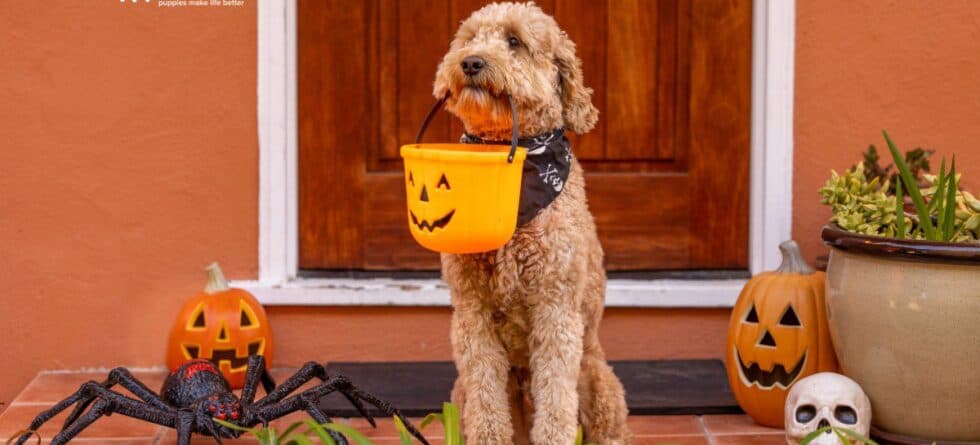
Halloween dog safety tips are essential for ensuring a safe and enjoyable night for your furry friend. Between candy, loud noises, and strangers in costumes, issues can arise quickly. Even normally calm dogs may get sick or startled this time of year. To keep your best friend safe, happy, and out of the vet’s office, this guide will provide the necessary precautions. Make Halloween fun, not frightening, for your pup.
Key Takeaways:
- Top dangers: Chocolate and xylitol are toxic to dogs; also, avoid raisins, grapes, macadamia nuts, candy wrappers, and sticks.
- Store candy in high, sealed containers; secure trash and check for hidden stashes.
- Poisoning signs: vomiting, shaking, weakness, panting, confusion, or seizures—call vet or ASPCA (888-426-4435) immediately.
- Avoid tight, dangling, or masked costumes; use soft shirts, bandanas, or themed collars instead.
- Signs of costume stress: freezing, shaking, hiding, or panting. If symptoms are present, remove the costume immediately.
- Hide dogs in quiet rooms away from doorbells; use fans, music, or treat toys for calm.
- Safer treats: pumpkin, peanut butter (no xylitol), oats; avoid sugar, chocolate, grapes, or nutmeg.
- Use short, reflective leashes with ID tags; skip parades if your dog feels stressed.
- Update ID tags and microchip info; know emergency vet and ASPCA Poison Control contacts.
Halloween Dog Safety Tips: Halloween Candy Dangers
Halloween Dog Safety Tips: Dangerous Treats
Chocolate and xylitol are particularly toxic to dogs. Chocolate contains theobromine, which is difficult for dogs to metabolize—dark and baking chocolate are the most hazardous. Even small amounts can trigger vomiting, shaking, rapid heartbeat, or seizures. Xylitol, found in sugar-free candies and gum, can cause a sudden drop in blood sugar and liver damage. Some peanut butter and baked goods contain xylitol as well.
Raisins, grapes, macadamia nuts, and candy wrappers also pose risks. Raisins and grapes can lead to kidney failure, while wrappers and sticks may cause blockages or injuries.
Safe Storage for Halloween Candy
Candy should be stored in latch-tight jars or high cabinets to prevent access. Dogs have excellent noses and can easily find candy left in bags or on lower surfaces. Use locking containers or place candy on top shelves. Ensure trash bins are secure and inspect the home for hidden candy stashes after Halloween.
Identifying Symptoms of Poisoning
Signs of poisoning include vomiting, shaking, weakness, panting, drooling, loss of appetite, and confusion. Xylitol poisoning may lead to poor balance and seizures. Immediate action is crucial if a dog ingests harmful substances; contact a vet or the ASPCA Poison Control Center at (888) 426-4435.
Providing Pet-Safe Alternatives
Make Halloween enjoyable with dog-safe treats like those made with pumpkin or xylitol-free peanut butter. Avoid sharing human candy with pets.
Quick Response and Prevention
Prompt action and careful planning help avert emergencies. Keep harmful substances out of reach and be vigilant about potential dangers. For further guidance, consult resources like the FDA’s guide and ASPCA xylitol warning.
Halloween Dog Safety Tips: Choosing Safe and Comfortable Halloween Costumes for Dogs
Halloween Dog Safety Tips: Costume Features to Avoid
Avoid costumes that are tight, include masks, or have small pieces that can block the sight, mouth, or ears. Costumes must fit well to avoid pinching or rubbing the skin, as well as preventing trips and falls. Be cautious of beads, bells, or buttons that can be swallowed. Avoid anything that hangs near the face or paws, as masks can obstruct vision and breathing.
Identifying Stress in Dogs Wearing Costumes
Signs of distress in dogs include panting, freezing, trembling, hiding, or snapping. Look for body language such as tucked tails, flattened ears, or visible whites of the eyes. Stress testing costumes before use is vital. Allow the dog to wear it briefly and observe their behavior. Praise calmness and remove the costume immediately if signs of stress appear.
Only dress dogs in costumes under supervision. Even safe costumes can catch on furniture. Consider skipping costumes if supervision isn’t possible.
Safer Alternatives to Full Costumes for Dogs
Consider bandanas, themed collars, or simple shirts as alternatives to full costumes. These options are more comfortable and less restrictive. Soft bandanas and festive collars provide a fun look without causing discomfort. For dogs that tolerate shirts, choose loose, cotton options designed for dogs, avoiding any human clothing.
Visit Humane World Pet Tips for more guidance. Always prioritize the dog’s comfort and safety.
Halloween Dog Safety Tips: Reducing Your Dog's Anxiety
Halloween Dog Safety Tips: Common Sounds That Trigger Dogs
Loud noises such as doorbells, fireworks, and party music can upset dogs. Dogs have highly sensitive hearing, so these sounds are amplified, causing stress. Additionally, loud laughter and outdoor music during parties can increase tension.
Creating a Safe Space Away from Halloween Commotion
Establish a safe, familiar area for your dog away from guests and the front entrance. Choose a bedroom, laundry room, or crate with a soft bed, water, a favorite toy, and a blanket. Use a fan or calming music to muffle outdoor sounds. Close windows and curtains and post a sign at the door: “Dog sleeping—Do not knock.” This encourages trick-or-treaters to pass by quietly. Provide treat-filled toys or peanut butter Kongs to keep your dog occupied and calm.
Calming Products and Techniques for a Stress-Free Halloween
Certain calming products can help some dogs relax. Wraps like ThunderShirts provide gentle pressure, and scent diffusers release pet-safe messages that convey a sense of safety. Practicing calming drills with phrases like “settle” or “place” can condition your dog to handle noise better.
For very anxious pets, consult with a vet early. Some dogs may benefit from short-term supplements or medications for relief during stressful times. Explore the ASPCA’s Halloween safety tips for valuable information.
Ensure a calm and controlled environment to help your dog navigate the noisy holiday safely.
Halloween Dog Safety Tips for Trick-or-Treating
Leaving dogs at home is often best. Crowds and loud sounds can upset even the calmest pets. Masks and unusual costumes might confuse them. A quiet room with a gate, toys, and soft background music can keep them calm. Discover more preparation ideas in the Puppy-Proofing Your Outdoor Oasis guide.
Best Leashes and Accessories for Nighttime Safety
Use a short, visible leash and reflective gear. Leashes should be under six feet for optimal control—avoid retractable ones. Enhance visibility with reflective tape or LED collars. Reflective harnesses or vests improve safety in low light. Ensure ID tags are secure and easy to read.
Preventing Door-Dashing During Halloween
Keep dogs in a secure room or behind a gate. Each open door presents a chance for escape. Use treat-filled toys to distract them. Place a sign like "Please Don’t Knock—Nervous Dog Inside" to alert visitors. More tips on dog containment during parties are available through AVMA.
Preparing for Halloween Night Safely
Careful preparation significantly reduces risks and helps dogs stay relaxed during Halloween activities.
Halloween Dog Safety Tips: Safe Treats for Your Dog
Ingredients to Look for in Store-Bought Halloween Dog Treats
When choosing store-bought Halloween treats, select products specifically made for dogs with natural ingredients. Seek out treats containing pumpkin, chicken, or sweet potato. Always avoid chocolate, xylitol, raisins, and sugar substitutes. Even small amounts of xylitol can be harmful. Focus on dog-specific snacks and avoid anything listing chocolate or “sugar alcohol.”
Homemade Halloween Dog Treats
Creating homemade treats is a safe option. Use simple ingredients like plain pumpkin (not pie filling), xylitol-free peanut butter, oats, and eggs. These can be formed into cookies or frozen for later enjoyment. Cinnamon is a safe addition, but nutmeg should be avoided due to its toxicity to dogs.
Pet-Safe vs. Unsafe Foods
Understanding the difference between safe and unsafe foods is crucial. Always read ingredient labels carefully, and consult a veterinarian if unsure. The ASPCA food safety guide offers a comprehensive list of items to avoid. Minimize risks by checking labels to ensure accuracy. Do not allow children to feed pets candy or snacks, as candy wrappers can also pose choking hazards.
Importance of Vigilance and Preparation
Evaluating precision and recall can help track safety, but reducing false positives is key by thoroughly checking all labels. Keeping the treat list festive with dog-safe goodies—shaped like ghosts, pumpkins, or bones—ensures Halloween fun without risk.
Halloween Dog Safety Tips: Preparing a Shy or Reactive Dog for Visitors
Training Dogs Not to Jump on Guests
Using the "sit" command frequently and rewarding calm behavior helps prevent jumping. Practice daily leading up to Halloween. Have friends wear unusual hats or carry bags to simulate costume scenarios. Reward calm behavior and redirect jumping by turning away calmly. Avoid shouting. A short leash can assist in guiding the dog, and training away from the front door aids in focus. Regular practice builds comfort, as costumes may be unrecognizable to dogs.
Recognizing Signs of Overwhelm or Fear
Be attentive to signs such as tucked tails, stiff bodies, lip licking, or retreating. If freezing, growling, or staying away from the room occurs, a break in a quiet space with toys and low sound is needed. Safe spaces are vital for stress management.
Importance of Signage for Nervous Dogs
Posting signs like “Please don’t knock—Nervous dog inside” is advisable. Leaving candy outside or allowing people to take from a bowl helps minimize stress for dogs and the household. If panic is likely, consider using a crate or closed room with soft music, a chewy toy, or a blanket-covered crate to enhance the feeling of safety.
Monitoring dogs closely, rewarding good behavior, and offering calm support if fear arises are crucial. For additional holiday planning advice, explore tips on the AVMA’s Halloween page.

Halloween Dog Safety Tips for Events and Parades
Training Your Dog for Halloween Events
Teach basic commands such as “sit,” “stay,” “leave it,” and “heel.”
Conduct short training sessions around costumes, music, or yard decorations to help dogs adapt. Reward calm behavior and gradually expose them to new sights and sounds. For easily startled dogs, increase practice time before the event.
Recognizing Signs of Stress at Events
Look for signs of stress such as a tucked tail, yawning, stiff body, or refusal to take treats. These indicate nervousness. If the dog hides or pulls away, leave the event. Avoid scolding or pushing as this can lead to fear or snapping.
Essential Gear for Dog Safety at Events
- Use short leashes, light-up collars, and reflective bands for better control and visibility.
- Avoid retractable leashes as they can cause issues in crowds.
- Attach an ID tag with contact information and consider a QR code tag as backup.
- Opt for simple accessories like a bandana or themed leash instead of complex costumes.
For more advice, refer to the HumaneWorld guide. If a dog prefers quiet, indoor games can make the night special—consider hiding treats or teaching a new trick.
Halloween Dog Safety Tips: Identification and Emergency Plans
Keeping ID and Microchip Information Updated
- Ensure the dog’s tag includes their name and a current phone number.
- Confirm details with the chip company and update if there have been changes in address or phone number.
Steps to Take if a Dog Runs Away on Halloween
- Remain calm and search nearby hiding spots.
- Walk the area with treats, a leash, and their favorite toy.
- Inform neighbors and local vets, providing a photo.
- Post in social media groups and alert the chip company to mark the pet as missing.
Emergency Resources
- Keep your vet’s contact information and the nearest animal ER address saved.
- Have the dog’s shot records and chip number handy.
- Save the ASPCA Poison Control hotline: (888) 426-4435.
For more support on how to keep your dog safe and ensure a delightful Halloween, visit Puppy Dreams
Halloween brings fun—but also trouble if you're unprepared. With the right habits, tools, and plans, your dog stays safe.
Halloween Dog Safety Tips for a Happy Pup
Ensure your Halloween is both delightful and safe for your beloved dog. With spooky decorations, noisy festivities, and hidden candy hazards, this time of year can be as challenging as it is exciting. Prioritize your dog’s safety by keeping harmful treats like chocolate and xylitol out of reach and providing a calm environment away from the commotion. Choose costumes that are comfortable and avoid any that could cause distress or injury. If your dog feels anxious due to doorbells and fireworks, create a quiet, secure space with soothing music and treats. Finally, make sure your dog’s ID tags and microchip information are up to date to prevent any mishaps. For more personalized advice and to ensure your furry friend enjoys a safe and worry-free Halloween, don’t hesitate to reach out to us at Puppy Dreams. Visit our contact page for more details and support.