
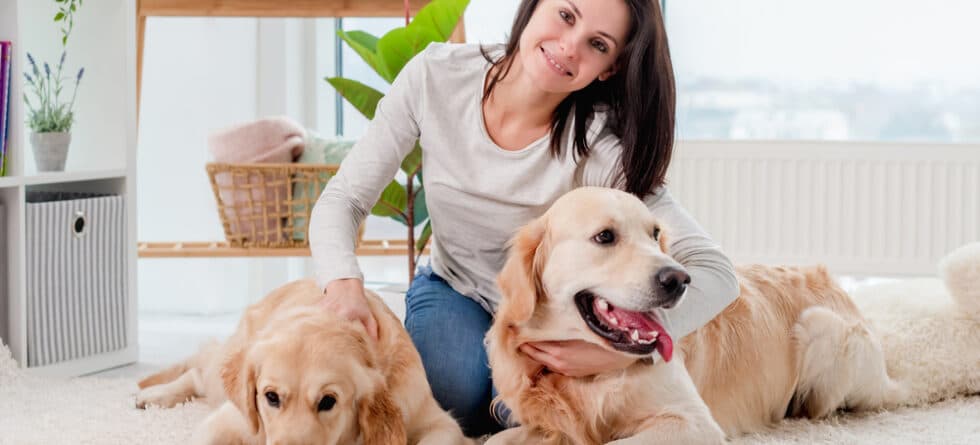
Golden Retrievers are moderately clingy dogs. They enjoy being near their people and prefer companionship, but healthy Goldens can relax independently when their needs are met.
Why Golden Retrievers Like To Stay Close
Goldens were bred to work closely with humans. This history makes them naturally attentive and eager to stay connected.
They find comfort in proximity and often choose to be near rather than alone.
What Clingy Behavior Looks Like In Goldens
Clinginess can show in gentle and affectionate ways.
- Following you from room to room
- Resting near or touching you
- Leaning or placing a paw on you
- Seeking attention during quiet moments
These behaviors usually reflect affection rather than anxiety.
Normal Attachment Versus Separation Anxiety
Enjoying closeness is normal for Golden Retrievers. True concern arises when attachment becomes distress based.
Signs of anxiety include pacing, vocalizing when alone, destructive behavior, or panic reactions. This goes beyond normal clinginess.
Factors That Increase Clinginess
Certain situations can make Goldens more attached.
- Young age or puppy stage
- Recent changes in routine
- Lack of exercise or mental stimulation
- Inconsistent schedules
Addressing these factors often reduces excessive attachment.
How To Encourage Healthy Independence
Goldens can learn to feel secure even when alone.
- Provide daily exercise and play
- Encourage calm alone time
- Use predictable routines
- Reward relaxed behavior
Independence builds confidence without reducing affection.
Why Goldens Are Often Described As Velcro Dogs
Many people call Goldens velcro dogs because of their loyalty and desire to be involved.
This closeness is part of their charm and usually feels comforting rather than overwhelming.
When Clinginess Is A Sign Of A Problem
If your Golden cannot settle without you or becomes distressed during short absences, closer attention is needed.
Sudden increases in clinginess may signal stress or discomfort.
Understanding Your Golden Retriever’s Needs
Golden Retrievers thrive on connection, routine, and activity. When those needs are met, their attachment stays balanced, loving, and healthy.