
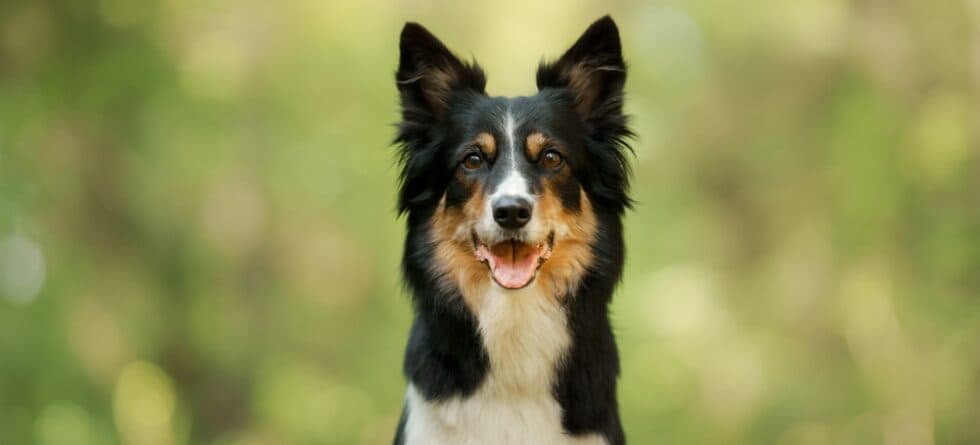
Dogs smile by relaxing their facial muscles, opening their mouths slightly, and pulling back their lips in a way that resembles a human smile. While it’s not the same as our version, it’s often a clear sign of happiness or calmness.
What a Dog’s Smile Looks Like
Smiling in dogs is all about relaxed body language and facial expression.
- Open mouth – A slightly open mouth with the tongue visible is a common sign of contentment.
- Pulled-back lips – The corners of the mouth may lift, creating a curved expression that mimics a grin.
- Soft eyes – Their eyes appear relaxed, with no wide staring or hard focus.
- Relaxed ears and posture – Ears may be in a natural, loose position with a wagging tail to match.
When a Smile Means Happiness
A smiling dog is often calm, playful, or affectionate in the moment.
- During petting or cuddling sessions with their favorite person
- After exercise or during playtime
- When they’re resting and feeling safe
Beware of Misreading Facial Signals
Not all mouth movements are signs of happiness, some may indicate stress or discomfort.
- Panting with wide eyes – Can signal anxiety or overheating, not contentment.
- Lips pulled back tightly – May resemble a grin but could be a sign of fear or submissiveness.
- – A warning growl often includes exposed teeth but comes with a stiff body and tense face.
Smiling vs. Submissive Grinning
Some dogs offer a submissive grin, different from a happy smile.
- It includes showing the front teeth without aggression.
- Often paired with a lowered body, tucked tail, or squinting eyes.
- It’s a sign of friendliness or deference, not fear or dominance.
Dogs smile through a relaxed face, open mouth, and soft eyes, often when they feel safe, loved, or playful. Understanding their body language helps you tell the difference between genuine joy and other emotional signals. With close observation, a dog’s smile becomes easy to recognize and even more heartwarming.