
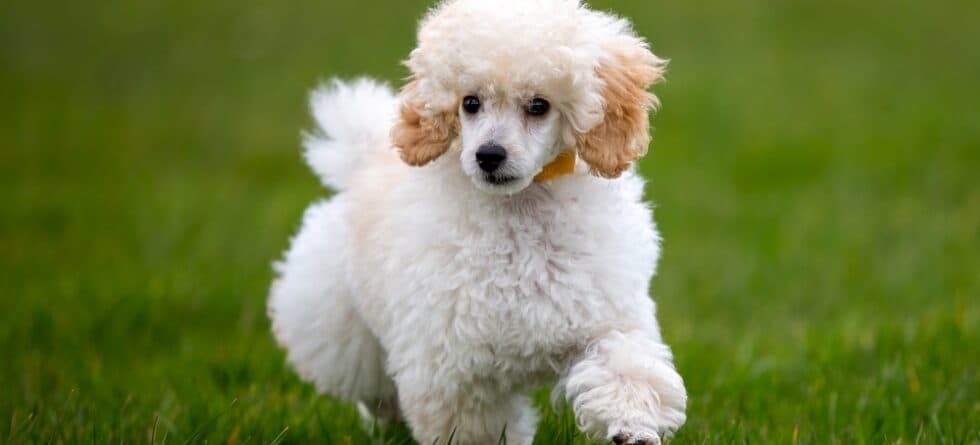
Poodles are intelligent and expressive dogs, but they can also be quite stoic regarding pain. As a poodle owner, it’s important to recognize subtle signs indicating discomfort or distress. Asking – how do I know if my poodle is in pain – is the first step toward protecting their well-being. Because dogs can’t tell us when they hurt, paying close attention to behavior, body language, and routines is essential.
Changes in Behavior
When a poodle is in pain, they may act differently than usual. These changes can be small at first but tend to become more noticeable over time. Shifts in mood, energy, or interactions are often early indicators that something is wrong.
- Withdrawal or hiding – Your poodle may isolate themselves or avoid physical contact.
- Increased aggression or irritability – A normally calm dog might growl or snap when touched.
- Restlessness – Pacing, difficulty getting comfortable, or frequent position changes may reflect internal discomfort.
Physical Signs of Pain
Some signs of pain are visible in your poodle’s movement, posture, or physical appearance. You may notice limping, changes in mobility, or unusual stiffness.
- Limping or lameness – A clear sign of pain in the legs, joints, or paws.
- Difficulty standing or lying down – Hesitation or slowness with transitions can indicate joint or muscle pain.
- Trembling or shaking – These can signal intense discomfort or internal pain.
Vocalizations & Unusual Sounds
While poodles are not known to be overly vocal, sudden changes in how they communicate may reveal pain. Pay attention to unfamiliar sounds or increased vocal behavior.
- Whining or whimpering – A sign your dog is trying to express discomfort.
- Yelping when touched – Indicates a painful area, especially during grooming or lifting.
- Groaning or sighing – May be more frequent when lying down or shifting position.
Changes in Eating, Drinking, & Sleeping
Pain can affect your poodle’s appetite and overall routine. A sudden loss of interest in food, water, or playtime is a red flag, especially when paired with other symptoms.
- Loss of appetite – Pain often makes dogs uninterested in eating or chewing.
- Increased sleep – More time sleeping or appearing lethargic may point to fatigue or discomfort.
- Drinking less or more than usual – Changes in water intake can reflect pain or internal issues.
Grooming & Self-Care Clues
Poodles typically enjoy being clean and well-groomed. If your dog suddenly stops grooming or seems irritated during regular brushing, pain might be the reason.
- Lack of self-grooming – A reduction in licking or cleaning may signal pain or illness.
- Over-grooming a specific area – Constant licking of one spot can indicate localized discomfort.
- Reactions during brushing – Flinching, turning away, or whining while being brushed may suggest hidden pain under the coat.
When To Contact Your Veterinarian
If you notice signs of pain in your poodle, it’s best to consult your veterinarian. Delaying treatment may worsen the condition or allow an underlying issue to progress. Even mild changes in behavior should not be ignored.
- Sudden or severe symptoms – Limping, yelping, or appetite loss require prompt attention.
- Ongoing changes – If your poodle isn’t acting like themselves for more than a day or two, it’s worth checking in with a vet.
- Visible injuries – Swelling, wounds, or broken nails can become infected or worsen without care.
You can tell if your poodle is in pain by watching for changes in behavior, movement, appetite, and vocal cues. These sensitive and loyal dogs may try to hide discomfort, so it’s important to be observant and responsive. Early detection leads to faster relief and a healthier, happier life for your poodle.