
How Do I Stop My Boxer From Peeing In The House?
By Puppy Dreams Editorial Team · July 7, 2024
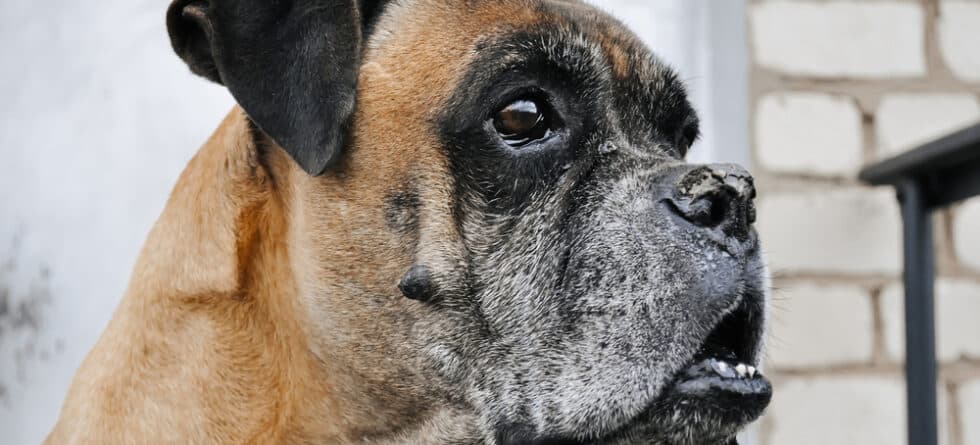
Stopping a Boxer from peeing in the house starts with two things, figuring out why it is happening and rebuilding a clean, consistent potty routine. Boxers are smart and usually learn fast, but they can backslide if they are confused, anxious, or not getting outside often enough. With a clear plan, most dogs improve quickly.
Step 1 – rule out medical causes first
If your Boxer was house-trained and suddenly started having accidents, a health issue may be involved. Even young dogs can get problems that look like training failure.
- Urinary tract infection or bladder irritation.
- Kidney issues.
- Hormone-related leaking in some spayed females.
- Pain or arthritis that makes it hard to ask to go out.
Signs that point to a vet visit include frequent small pees, straining, blood in urine, licking the genitals more than normal, or accidents that happen during sleep.
Step 2 – identify the pattern
Patterns tell you what to fix.
- Accidents after excitement – could be submissive or excited urination.
- Accidents when alone – could be separation stress or not enough potty breaks.
- Small marks around the house – often scent marking, more common in males.
- Large puddles with no warning – usually a schedule or supervision gap.
Step 3 – reset the potty schedule
Act like you are potty training from day one. Predictable timing prevents accidents.
- Take your Boxer out first thing in the morning.
- Go out after every meal, nap, and play session.
- Take them out every 2 to 3 hours during retraining.
- Always go out right before bed.
Young Boxers may need more frequent breaks. Seniors may need earlier evening trips.
Step 4 – supervise closely indoors
Your dog cannot learn if they keep practicing accidents.
- Use a leash indoors so they stay near you.
- Block off rooms you cannot watch.
- If you cannot supervise, use a crate or safe pen.
Crates work best when sized so your dog can stand, turn, and lie down, but not wander to pee in a corner.
Step 5 – reward outdoor potty strongly
Boxers respond well to praise and treats. Make the right choice, feel amazing.
- Bring treats outside every time.
- The second they finish peeing, say a happy cue like “good potty” and reward.
- Give a short play moment after potty to make the outdoors feel positive.
Step 6 – clean accidents the right way
If any smell remains, your Boxer will be tempted to pee there again.
- Use an enzymatic pet cleaner, not just soap or vinegar.
- Soak the spot fully and let it air dry.
- If accidents happen on rugs, consider removing them during retraining.
Step 7 – handle excited or submissive peeing
Some Boxers pee when they get overstimulated or feel nervous, especially as puppies or adolescents.
- Keep greetings calm and low-key.
- Ask visitors to ignore the dog for a minute, then greet gently.
- Take your Boxer out right before guests arrive.
- Never punish this type of accident; it increases anxiety.
Most dogs grow out of it with confidence and calmer routines.
Step 8 – Reduce marking inside
If your Boxer is marking, you need both management and training.
- Clean all marked areas with enzyme cleaner.
- Limit access to favorite marking spots.
- Increase outdoor potty chances and reward them.
- Consider belly bands temporarily for males while retraining.
Neutering can reduce marking for some males, though training is still needed.
Common mistakes to avoid
- Punishing after the fact – your dog will not connect it to the accident.
- Too much freedom too soon – wait for weeks of success before expanding access.
- Inconsistent timing – random schedules confuse learning.
- Skipping rewards – praise alone is not always enough for fast progress.
To stop your Boxer from peeing in the house, rule out medical causes, reset a strict potty schedule, supervise closely, reward outdoor peeing heavily, and clean accidents with enzyme cleaner. Most Boxers respond quickly when the routine is consistent, and accidents are prevented from repeating.