
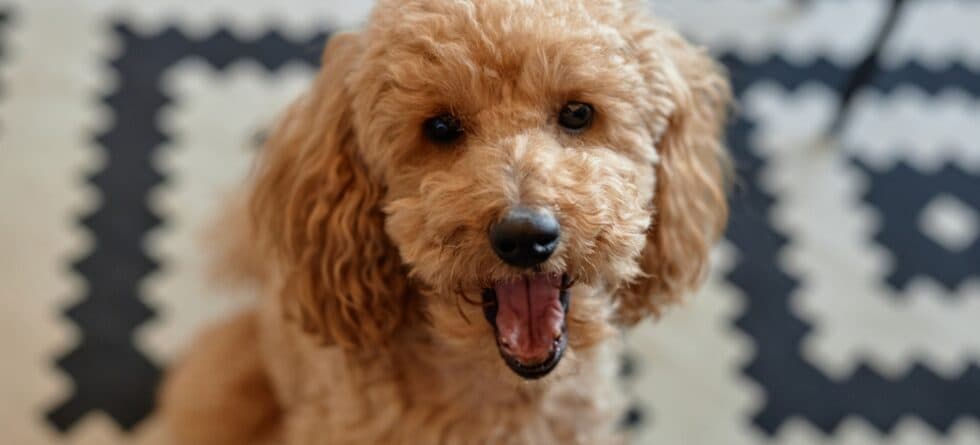
Teaching a Poodle to smile usually means training a cute facial expression on cue, gently and safely. In many cases, owners are really teaching the dog to lift its lips slightly, relax its mouth in a happy-looking expression, or repeat a natural behavior that already happens sometimes. The most important part is to keep the training kind, calm, and free from pressure.
Poodles are intelligent dogs that often learn quickly, so they can do very well with trick training. Because they are also sensitive, this kind of lesson should never involve forcing the mouth, pulling the lips, or making the dog uncomfortable. A smile trick should be built through positive reinforcement and patience.
Start With A Natural Behavior
Watch For A Facial Expression Your Poodle Already Does
The easiest way to teach a Poodle to smile is to notice if your dog already makes a smile-like expression during happy moments. Some dogs lift their lips a little when excited, relaxed, or greeting their owner. Others may open their mouths in a soft, happy way during play or when they feel pleased.
If your Poodle already does something that looks like a smile, that gives you a great starting point. Instead of creating a behavior from nothing, you can reward the natural expression and turn it into a trick.
Mark The Moment Right Away
As soon as your Poodle makes the expression you want, reward it immediately. You can use a clicker or a short marker word and then give a small treat. Fast timing helps your dog understand exactly which facial movement earned the reward.
Add A Cue Slowly
Use A Simple Word
Once your Poodle starts offering the expression more often, you can begin adding a cue like smile. Say the cue in a cheerful, calm voice just before you think the behavior may happen, then reward when it does. After enough repetition, your Poodle may begin to connect the word with the action.
Keep the cue simple and always use the same word. Consistency makes it easier for your dog to learn.
Train In Short Sessions
Poodles often learn best in short positive sessions. A few minutes at a time is usually enough. If you train too long, your dog may lose interest or become confused. Ending on a good note helps keep the trick fun.
Use Positive Reinforcement Only
Reward Success Generously
Positive reinforcement works very well with Poodles. Praise, treats, and a happy tone can all help your dog feel confident and engaged. When the dog makes even a small step toward the behavior, reward it.
This keeps the lesson encouraging and helps your Poodle want to try again.
Do Not Force The Mouth
Never pull back your Poodles lips or try to shape the smile with your hands. That can make your dog uncomfortable, confused, or nervous. A forced expression is not real training and may damage trust. A smile trick should always come from the dog choosing the behavior on its own.
Be Patient With Sensitive Dogs
Some Poodles Learn Fast & Some Need More Time
Every Poodle is different. Some may pick up the idea quickly, especially if they already offer expressive facial movements. Others may need much more time and may never do a clear, lip-lift-style smile. That is okay. The goal is to make training enjoyable, not stressful.
A Poodle that loves learning may enjoy the challenge, while a more reserved dog may do better with simpler tricks first.
Keep The Experience Light & Fun
If your Poodle seems confused, frustrated, or uninterested, take a break and try again later. A relaxed dog learns better than a pressured one. Trick training should build confidence and strengthen your bond, not create tension.
What Poodle Owners Should Remember
To teach a Poodle to smile, the best method is to reward a natural smile-like expression, mark it clearly, and add a simple cue over time. Poodles are smart and often enjoy learning, but this trick should always be taught gently and with positive reinforcement.
The most important thing is to keep it safe and respectful. If your Poodle learns the trick, it can be a fun and charming behavior. If not, there are many other tricks your dog may enjoy learning just as much.