
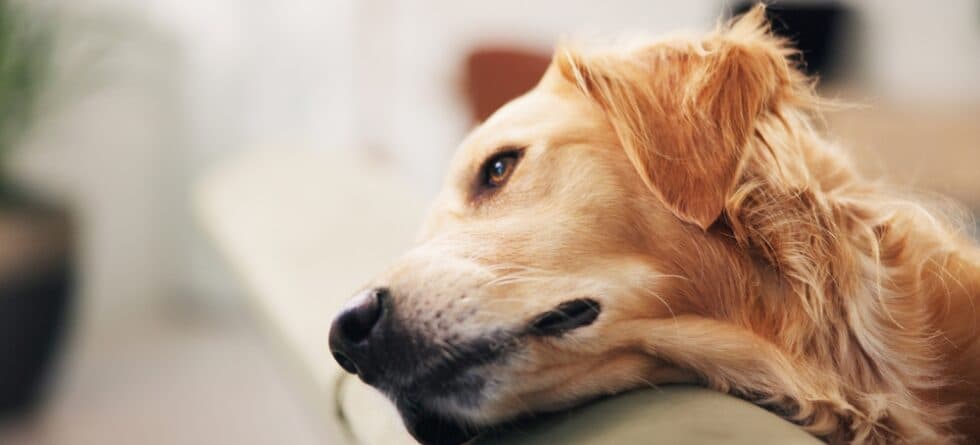
Dogs do not understand time in terms of minutes and hours the way humans do. They cannot look at a clock and measure sixty minutes. Instead, their sense of time is shaped by daily routines, environmental cues, and learned patterns.
For example, your dog may know that after breakfast comes a walk, or that when it gets dark, you usually settle down for the evening. They associate events with sequences rather than exact time measurements.
Does One Hour Feel Long To A Dog
To a dog, one hour can feel significant, especially if they are alone and not stimulated. Dogs are social animals that thrive on companionship. If they are used to having you around, even a short absence may feel noticeable.
However, whether that hour feels long often depends on the individual dog. A well-exercised and mentally stimulated dog may nap peacefully while you are away. A dog with separation anxiety or high energy levels may feel stressed or restless during that same hour.
How Dogs Perceive Absence
Based On Routine
Dogs rely heavily on routine. If you leave at the same time each day and return consistently, your dog learns the pattern. Over time, predictable routines can reduce stress because your dog begins to anticipate your return.
Based On Sensory Cues
Dogs use scent and environmental changes to gauge time. Your scent gradually fades after you leave, which may provide subtle clues about how long you have been gone. Changes in light, noise, and daily household activity also help them form expectations.
Why Dogs Get So Excited
When you return after an hour, your dog’s excitement does not necessarily mean the time felt extremely long. Dogs live very much in the present moment. Their enthusiastic greeting is usually a burst of happiness and social bonding rather than proof that they felt abandoned for days.
Helping Your Dog Feel Comfortable When Alone
If you are concerned about how your dog handles being alone, focus on enrichment and routine. Provide toys, puzzle feeders, or safe chew items to keep them mentally engaged. Regular exercise before leaving can also help your dog relax.
Gradually building independence and avoiding dramatic goodbyes can reduce anxiety for dogs who struggle with short absences.