
How Many Times A Day Do German Shepherds Eat?
By Puppy Dreams Editorial Team · November 5, 2025
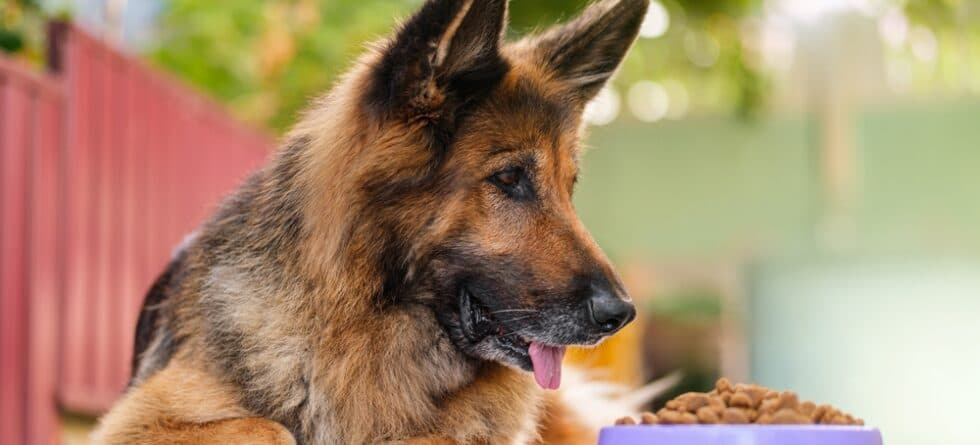
Most adult German Shepherds eat two meals per day. Puppies need more frequent meals, while seniors usually continue with two smaller portions daily.
Feeding German Shepherd Puppies
Puppies grow quickly and need steady energy.
- 8 to 12 weeks old often eat 3 to 4 times daily
- 3 to 6-month-olds usually eat 3 times daily
- 6 months and older can transition to 2 meals daily
Frequent meals support healthy growth and digestion.
Feeding Adult German Shepherds
Once fully grown, most German Shepherds do best with two meals a day.
Splitting food into morning and evening meals helps maintain steady energy and reduces the chance of stomach discomfort.
Senior Feeding Routine
Older German Shepherds often remain on two meals per day.
Portion size may need adjustment based on activity level and weight management.
Why Two Meals Are Recommended
Feeding twice daily helps
- Maintain balanced energy
- Support digestion
- Prevent overeating in one sitting
Structured meals also create routine and stability.
Avoid Free Feeding
Leaving food out all day can make it harder to monitor appetite and weight.
Measured meals help prevent obesity and allow you to notice changes in eating habits.
Adjust Based On Activity Level
Highly active German Shepherds may require slightly more calories, while less active dogs may need less.
Monitor body condition rather than feeding by guesswork.
Watch Body Condition Closely
You should be able to feel the ribs without excessive fat covering.
Maintaining a lean build supports joint health and mobility.
Consistency Matters
Feeding at the same times each day supports digestion and behavior.
Routine helps German Shepherds feel secure and balanced.
Building A Healthy Feeding Schedule
German Shepherds typically eat two meals per day as adults, with puppies requiring more frequent feedings. Adjust portions according to age, weight, and activity to support long term health.