
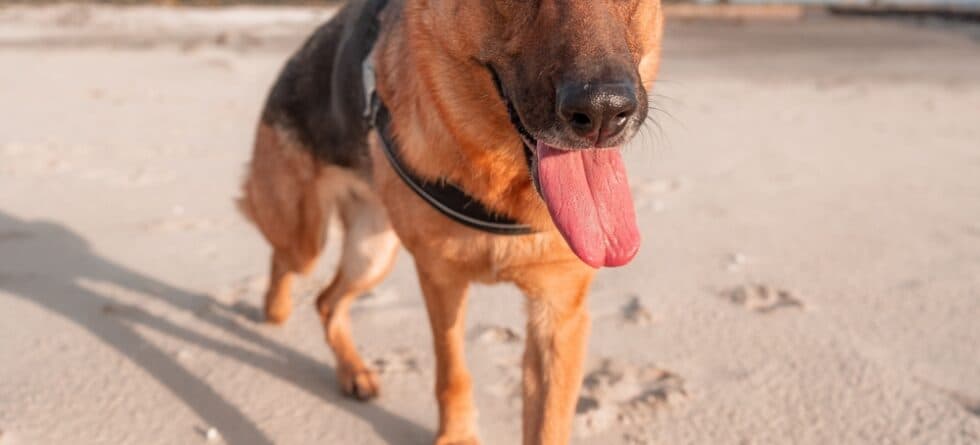
Most German Shepherds do best with two meals per day as adults. Puppies need more frequent meals because they are growing fast and have smaller stomachs. The right feeding schedule supports steady energy, healthy digestion, and lower bloat risk, which matters for this deep-chested breed.
Adult German Shepherd feeding schedule
For a healthy adult German Shepherd, two meals daily is the standard routine.
- Twice a day – morning and evening meals help keep energy stable and prevent overeating.
- Rough timing example – first meal in the morning, second meal in late afternoon or early evening.
- Why not one big meal – large single meals can increase bloat risk and may cause digestive stress.
Puppy feeding schedule
German Shepherd puppies need more meals because their growth demands steady fuel.
- 8 to 12 weeks – 4 meals per day.
- 3 to 6 months – 3 meals per day.
- 6 to 12 months – shift down to 2 meals per day as they approach adult size.
Always use a large-breed puppy formula during growth to support joints and controlled weight gain.
Senior German Shepherd feeding schedule
Most seniors still do well on two meals daily, but some benefit from smaller, more frequent meals.
- Two meals per day work for most older dogs.
- Three smaller meals can help if your dog has nausea, reflux, or reduced appetite.
- Watch weight because metabolism often slows with age.
How much to feed matters as much as how often
Meal frequency helps, but portion size keeps a German Shepherd healthy long term.
- Follow the feeding guide on your dog’s food, then adjust based on body condition.
- A healthy Shepherd should have a visible waist, and you should feel ribs under a light layer of fat.
- If your dog is gaining weight, reduce portions slightly rather than skipping meals.
Exercise & feeding timing
Because German Shepherds are prone to bloat, timing around exercise is important.
- Avoid hard running or rough play for about 1 hour before meals.
- Keep activity calm for 1 to 2 hours after eating.
- Slow feeders can help dogs that gulp food fast.
Signs your feeding schedule needs adjustment
- Frequent hunger vomiting in the morning – may need a slightly earlier dinner or a small bedtime snack.
- Loose stools after meals – portions may be too large or meals too close together.
- Low energy between meals – consider meal timing or food quality.
Feed an adult German Shepherd twice a day. Puppies need 3 to 4 meals daily until they mature, then should transition to two meals by around 6 to 12 months. Seniors usually stay on two meals, with flexibility if digestion changes. Consistent timing, correct portions, and calm exercise around meals are the keys to a healthy schedule.