
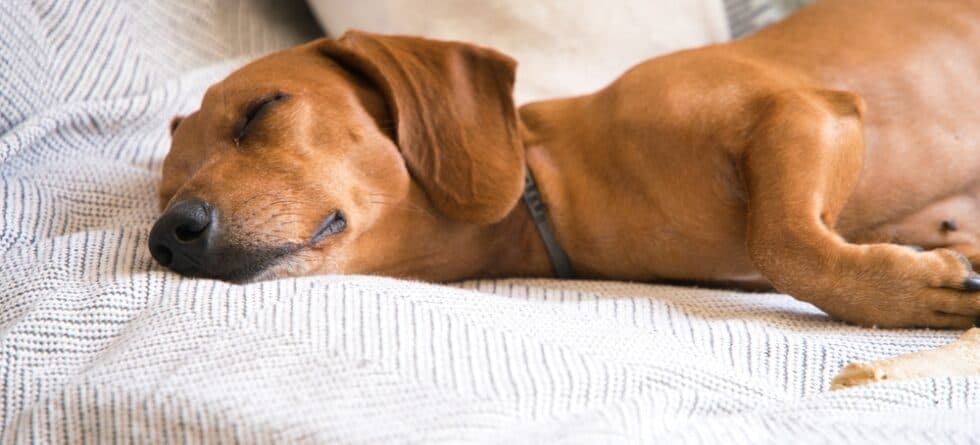
Dachshunds can get cold more easily than many owners expect, especially if they are small, short-haired, very young, older, or naturally lean. Even though they can be brave and active dogs, that does not mean they handle cold weather well. Their body size, coat type, and the temperature around them all affect how comfortable they feel.
A Dachshund that feels cold will often show it through body language and behavior. Some signs are easy to spot, while others can be more subtle at first. The key is to pay attention to changes in posture, movement, and overall comfort instead of waiting until your dog looks very distressed.
Common Signs Your Dachshund Is Cold
Shivering Or Trembling
One of the clearest signs that a Dachshund is cold is shivering. If your dog starts trembling during a walk, outside time, or even indoors near a draft, it may be reacting to the temperature. Shivering is often the first sign owners notice when a Dachshund is uncomfortable from the cold.
Curled Up Or Tucked Posture
A cold Dachshund may curl up tightly, tuck its tail, or pull its legs in close to the body. This posture helps the dog hold in warmth. If your Dachshund suddenly looks much more tucked in than usual, cold may be part of the reason.
Lifting Paws Off The Ground
If your Dachshund keeps lifting its paws, slowing down, or refusing to walk on cold ground, that can also be a sign of discomfort. Cold pavement, wet grass, and chilly surfaces can feel much harsher to a small dog than many people realize.
Behavior Changes Can Also Be A Clue
Wanting To Go Back Inside Quickly
A Dachshund that is cold may stop enjoying outside time and try to head back inside sooner than usual. Your dog may hesitate at the door, turn around during a walk, or seem unwilling to keep moving. This can be an important clue, especially if the dog is normally interested in sniffing and exploring.
Seeking Warm Spots
Many cold Dachshunds look for heat and comfort right away. Your dog may burrow into blankets, press against you, sit near a heater, or search for a sunny spot. Dachshunds often love warmth, so a strong need to stay wrapped up can be a sign that they feel chilled.
Some Dachshunds Feel Cold Faster Than Others
Coat Type Matters
Short haired Dachshunds often feel the cold faster than long haired or wirehaired ones. A smoother thinner coat offers less protection, especially in windy or damp conditions. Even so, any Dachshund can become uncomfortable if the weather is cold enough.
Age & Body Condition Matter Too
Puppies, senior Dachshunds, and dogs with low body fat may struggle more in cooler temperatures. Smaller or lighter dogs often lose warmth faster. A dog that is unwell or tired may also have a harder time staying comfortable in the cold.
How To Help A Cold Dachshund
Bring Your Dog Somewhere Warm
If your Dachshund seems cold, the first step is to bring your dog into a warmer space. Offer a blanket, a dry bed, and a calm place to rest. If the fur is wet, dry your dog gently so it can warm up more easily.
Use Warm & Safe Comfort
A cozy sweater, soft bedding, and shorter outdoor trips during cold weather can all help. Many Dachshunds do better when they have some extra warmth before going outside and a comfortable place to settle afterward.
When Cold May Be More Serious
Watch For Extreme Weakness Or Distress
If your Dachshund seems very weak, unusually quiet, stiff, or difficult to warm up, that should be taken seriously. A dog that keeps shivering heavily, seems confused, or cannot get comfortable may need quick attention.
Do Not Ignore Sudden Changes
If your dog suddenly seems much more sensitive to cold than normal, it is worth paying attention. Sometimes discomfort, illness, or age related changes can make a Dachshund struggle more than before.
What Dachshund Owners Should Remember
To know if a Dachshund is cold, look for signs like shivering, curling up tightly, lifting paws, wanting to go inside quickly, and searching for warm places. These small dogs often show cold discomfort clearly if you know what to watch for.
The best approach is to notice those signs early and help your Dachshund warm up before the discomfort gets worse. A cozy routine, careful outdoor time, and attention to your dogs body language can make a big difference.