
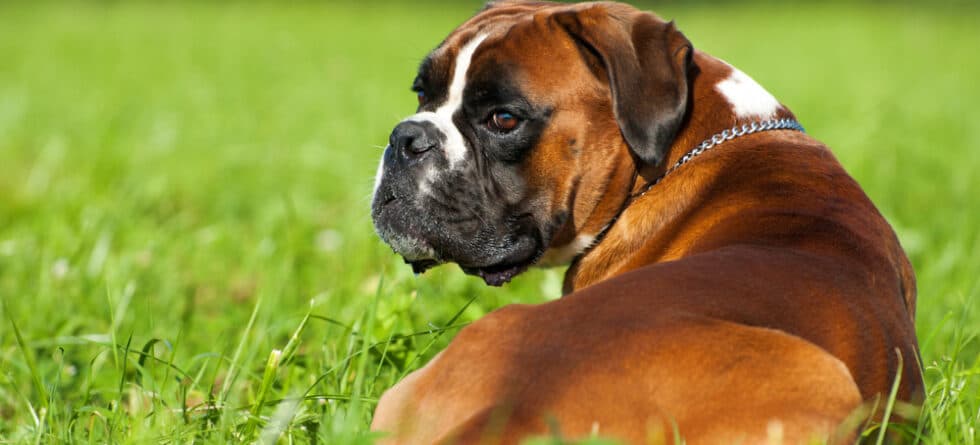
Boxer puppies are playful, energetic, and full of curiosity. Their goofy nature and intelligence make them a joy to be around – but also a challenge to train if you’re unprepared. Starting early is key to shaping their behavior and building a strong bond. If you’re wondering how to train a Boxer puppy, the answer lies in consistency, patience, and positive reinforcement. Your Boxer can grow into a well-mannered and loyal companion with the right approach.
Start With Socialization
Early socialization is one of the most important parts of training any Boxer puppy. These dogs are naturally alert and protective, so exposing them to different people, places, and situations helps prevent fear-based behavior or aggression later on.
- Introduce new environments – Take your puppy for car rides, walks in parks, and visits to pet-friendly stores.
- Meet people and other dogs – Controlled playdates and supervised greetings build confidence and sociability.
- Expose them gradually – Avoid overwhelming your pup all at once. Introduce new things in short, positive experiences.
Use Positive Reinforcement
Boxers respond best to praise, treats, and fun. Harsh corrections or punishment can backfire with this breed. Instead, focus on rewarding good behavior immediately so your puppy makes the right connections.
- Offer small treats – Use soft, bite-sized rewards during training sessions.
- Use praise and toys – Verbal encouragement and tug toys are great motivators.
- Be consistent – Reward the same behavior every time so your puppy understands what’s expected.
Focus on Basic Commands
Teaching foundational commands early makes life easier for both you and your Boxer. Training sessions should be short and fun, with lots of repetition and positive energy.
- Start with sit, stay, and come – These are essential for safety and control.
- Practice daily – Short 5–10 minute sessions multiple times a day are better than long ones.
- Use hand signals – Visual cues help reinforce verbal commands and improve focus.
Manage Their Energy
Boxer puppies are high-energy and need daily outlets to prevent frustration and bad habits. Proper exercise makes training easier and helps your puppy relax during quiet time.
- Playtime is part of training – Games like fetch and tug can reinforce recall and impulse control.
- Use mental stimulation – Puzzle toys and scent work challenge their brains and reduce boredom.
- Give structured exercise – Walks, controlled play, and safe off-leash time are great ways to release energy.
Crate Training & Housebreaking
Crate training is a helpful tool for potty training and teaching your Boxer puppy to feel secure when alone. When used correctly, it becomes a safe and comforting space.
- Keep it positive – Never use the crate for punishment.
- Use a schedule – Let your puppy out frequently, especially after eating, sleeping, or playing.
- Reward outdoor potty breaks – Praise and treat them immediately after they go outside.
Discourage Bad Habits Early
Boxers can develop habits like jumping, mouthing, or chewing if left unchecked. Start shaping behavior early by calmly redirecting them and offering alternatives.
- Ignore jumping – Turn away and wait until all four paws are on the ground before giving attention.
- Redirect chewing – Provide safe chew toys and keep shoes or cords out of reach.
- Teach bite inhibition – If your puppy mouths too hard, stop play and offer a toy instead.
Training a Boxer puppy takes patience, time, and a lot of positive energy. By starting early with socialization, basic commands, and structured routines, you set the foundation for a well-behaved adult dog. Remember to stay consistent, keep sessions short and rewarding, and embrace the playful spirit that makes Boxers so special. With the right guidance, your Boxer will grow into a loyal, loving, and well-mannered companion.