
Hypoallergenic Dog Breeds: Myths, Facts, and Allergy Relief
By Puppy Dreams Editorial Team · December 30, 2025
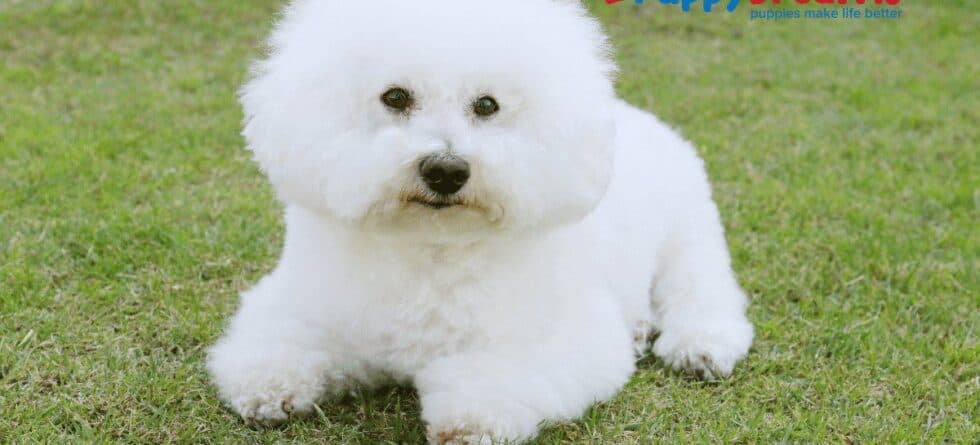
Are you thinking of bringing home a dog but afraid of sneezing fits and itchy eyes? Many future pet parents turn to hypoallergenic dog breeds to solve their allergy problems, but can any dog truly be allergen-free? Learn what “hypoallergenic” really means, why some dogs cause fewer reactions, and which breeds could be a better match for your allergies. Clear the air before you fall in love with your new best friend.
Key Takeaways:
- No dog breed is fully hypoallergenic; all dogs produce allergens in dander, saliva, and urine.
- Breeds that shed less or have curly hair may spread fewer allergens.
- Small allergy-friendly breeds: Mini Poodle, Maltese, Bichon Frise, Coton de Tulear.
- Medium allergy-friendly breeds: Mini Schnauzer, Portuguese Water Dog, Wheaten Terrier.
- Large allergy-friendly breeds: Standard Poodle, Irish Water Spaniel, Giant Schnauzer.
- Grooming, HEPA filters, regular cleaning, and keeping dogs off beds limit allergies.
- Always meet a dog to see how your body reacts before bringing them home.
Defining Hypoallergenic Dog Breeds
Hypoallergenic dog breeds produce fewer allergens than others. These dogs tend to shed less hair and flakes of skin, which means less dander in your space. Dander is dried skin that holds the proteins responsible for most pet allergies. You can also find these proteins in saliva and urine.
Truly hypoallergenic dogs do not really exist. Every dog produces allergens, so no breed is completely allergy-free. Some breeds may produce fewer allergens or hold dander in their coats longer. Dogs that shed less spread less hair and skin around, which can help. Even with those features, they can still cause reactions.
While the coats of some dog breeds may reduce allergic reactions, they don’t remove the root cause: often dander. Some breeds might have higher levels of allergens than others, but research shows even supposedly hypoallergenic dog breeds like Poodles and Labradoodles still carry the same allergy-triggering proteins.
In general, aiming to be hypoallergenic is more about reducing exposure than removing it. For people with allergies, the reduction of dander can make a difference, though it’s not a complete solution.
Main Causes of Dog-Related Allergies
Knowing how dog allergens work can help you choose a furry companion wisely. The biggest culprit in causing dog-related allergies is a protein called “Can f 1”, found in dog skin, saliva, and urine. When dogs lick themselves or relieve themselves, the protein spreads. As dander flakes off, these proteins land on furniture or flow through the air. Dogs that shed less or have tightly curled coats often hold this dander on their bodies instead of spreading it. However, even hairless dogs produce allergens.
Hair Versus Fur and Their Impact on Allergies
Hair typically grows longer and falls out more slowly. Fur is shorter and sheds more often. Dogs with hair, such as Poodles and Maltese, tend to shed less, keeping dander closer to the skin. This makes cleaning up easier and limits the spread. Dogs with fur, like Golden Retrievers, shed frequently, spreading dander around the home.
Many of the breeds considered “hypoallergenic” have hair instead of fur.
Best Small Hypoallergenic Dog Breeds
Many people prefer smaller dogs. However, if allergies are a concern, size alone isn’t enough. You'll need a companion that spreads fewer allergens.
Hypoallergenic dog breeds for fans of small dogs include:
- Toy or Miniature Poodles: Their curly coats trap dander close to the body.
- Bichon Frise: A fluffy coat of curls helps trap allergens and is ideal for cuddling.
- Maltese: Their hair sheds little but needs frequent brushing. Its small size limits allergens.
- Coton de Tulear: Their soft hair sheds very little. They do well with kids or other pets.
These breeds all shed less than the average dog, which helps cut back on airborne allergens. While not allergen-free, they can reduce symptoms for many people.
Small Breeds with Hair Instead of Fur
Hair grows at a slower rate and sheds less than fur, reducing airborne debris. Breeds with hair rather than fur include:
- Yorkshire Terrier: Their hair resembles human hair and sheds lightly. They suit apartments.
- Shih Tzu: They have a dense coat that holds dander, but need regular care to keep it healthy.
- Maltese: Maltese can be easy to tolerate for those with mild allergies with proper grooming.
Remember that even though these dogs have hair, they still produce dander and other allergens.
Apartment-Friendly Hypoallergenic Dog Breeds
If you're in a smaller home, quiet dogs that require limited space work best:
- Toy Poodles: They’re smart and easy to manage with daily indoor play.
- Mini. Schnauzers: Their wiry coats have moderate grooming needs. They don’t need much space.
- Shih Tzus: These are quiet and affectionate. Proper grooming keeps their coat manageable.
- Chinese Crested dogs (hairless): They release far less dander. They need basic skin care and gentle play.
These pets suit apartments, retirement homes, and small spaces. Always spend some time with a dog before adopting to check if you have an allergic reaction.
Best Medium Hypoallergenic Dog Breeds
It’s not just small dogs that can help reduce allergy issues. Many medium-sized dogs shed less, too. Dogs with coats that grow continuously like human hair keep dander where it belongs longer. Even so, regular care is necessary.
Some of the best medium-sized hypoallergenic dog breeds are:
- Portuguese Water Dog: They have dense, curly coats that barely shed. These thrive in active homes and enjoy swimming.
- Mini Schnauzer: Their coats are coarse and need brushing weekly. They are alert and protective.
- Soft Coated Wheaten Terrier: They have a soft, flowing coat, a love for children, and a gentle personality.
Medium Hypoallergenic Dog Breeds for Families
Labradoodles and Lagotto Romagnolos stand out as social and affectionate family pets that also boast low-allergen coats.
The Labradoodle, a Labrador and Poodle mix, may take after the Poodle's coat. If so, shedding is reduced. Some breeds in this cross may still cause reactions, though. The Lagotto Romagnolo is from Italy and has a thick curly coat that needs trimming. It responds well to mental challenges and is loving with children.
Best Large Hypoallergenic Dog Breeds
Large breeds with tight curls or wiry hair can work in sneeze-sensitive homes.
Top picks among large hypoallergenic dog breeds include:
- Giant Schnauzer: Their firm coats need hand-stripping every few weeks. This energetic breed thrives with active owners.
- Standard Poodle: They’re calm indoors and playful outdoors, but need trimming every month and frequent brushing to avoid mats.
- Irish Water Spaniel: These highly athletic dogs enjoy water. Their coats shed very little.
- Portuguese Water Dog: Their waterproof curls catch dander, but need regular brushing. They have a playful nature.
None of these breeds offers full allergy protection, but many sensitive people live comfortably with them. Frequent brushing, cleaning, and air filtration can help limit reactions, even with bigger breeds.
Doodles and Other Designer Crossbreeds for Allergies
Doodles can be a smart choice for someone with dog allergies, depending on the coat and genetics.
These charismatic mixed breeds often have Poodle-like curly coats that shed less and hold dander. Not all doodles inherit this coat, though. Some may take after the other breed, which could shed more and spread allergens.
Goldendoodles, Labradoodles, and Schnoodles can be light shedders, depending on coat type:
- Curly coats shed the least.
- Wavy coats shed a little more.
- Straight coats shed the most.
You can’t always know coat type by appearance. Genetic testing may help, but nothing is guaranteed.
Other Popular Hypoallergenic Dog Breeds
Among the hypoallergenic dog breeds, Bichon-Poodle mixes can make a good choice. They are small, curly-coated dogs that shed very little. The Bichon-Poodle combination brings together two breeds often suitable for homes with allergy-sensitive children. Their size limits the amount of allergen they release, and their coats hold dander in one place.
Other promising mixes include:
- Cavapoo (Cavalier King Charles Spaniel and Poodle)
- Maltipoo (Maltese and Poodle)
- Aussiedoodle (Australian Shepherd and Poodle)
All curly-coated dogs need regular grooming to keep allergens under control.
Hypoallergenic Dog Breeds for Senior Living
Some breeds do better in small, quiet homes. The Maltese, Chinese Crested, and Toy Poodle are solid companions for seniors.
The Maltese enjoys peaceful homes and needs short walks. The Chinese Crested dog, if hairless, only needs skin care. Powderpuff types need brushing each week. Toy Poodles are easy to train and adjust well to routine.


Calm, hypoallergenic dog breeds that don’t bark much work well with seniors’ homes and lifestyles, too.
Basenjis and Cotons are both good picks. The Basenji uses yodel-like sounds and rarely barks. It has a sleek, clean coat. The Coton is affectionate and quiet with soft hair that needs routine grooming.
Family-Friendly Hypoallergenic Dog Breeds
Some breeds are better suited for homes with children. A few breeds that behave well around kids and shed the least are:
- Bichon Frise
- Poodle
- Portuguese Water Dog
- Soft Coated Wheaten Terrier
- Lagotto Romagnolo
- Coton de Tulear
- Miniature Schnauzer
- Labradoodle
These breeds have coats that hold dander instead of spreading it. They are calm, easy to train, and enjoy human company. They’re also friendly and playful with children.
Children will react differently to each dog, and individual grooming habits may matter more than the breed name. Always interact with the dog as a family before bringing it home to ensure it suits both your child’s allergy needs and energy level.
Your child’s comfort should come first. A good match creates a safe and joyful home for everyone.
Grooming and Hypoallergenic Qualities in Dogs
Unfortunately, all dogs carry allergens in their skin and saliva. Regular maintenance, such as frequent grooming, helps control this.
Brushing removes dander before it floats into the air. It also keeps dirt and loose hairs under control. For breeds like Poodles or Bichons, brushing at least three times a week is best. Haircuts every four to six weeks keep mats from forming, which can trap allergens.
Some hypoallergenic dog breeds, such as Affenpinschers, benefit from hand-stripping. In hand-stripping, instead of clipping the coat at the surface, the groomer manually pulls out dead guard hairs and old topcoat hairs, either by hand or with specialized tools. This allows new, healthy hairs to emerge and helps maintain the overall texture and health of the coat
Grooming Differences Across Hypoallergenic Dog Breeds
Low shedding doesn't mean low maintenance. Different coats need different care.
- Poodles’ and Goldendoodles’ curly coats must be brushed often.
- Wheaten Terriers’ and Bichons’ soft coats require nearly daily care.
- Hairless dogs like Chinese Crested dogs skip brushing but need regular cleaning and skincare.
- Schnauzers and other coarse-haired dogs benefit from hand-stripping.
Baths can make a big difference if done properly and regularly. Bathing washes off dander and saliva. Some studies show that two baths per week can lower allergens. Use gentle shampoos to prevent dry skin, which can make shedding worse. For breeds like the Maltese or Shih Tzu, dry the coat after bathing with a towel or low-heat blower to prevent mats.
Start grooming habits early. No dog breed lacks allergens completely, but grooming helps make your home better for people with allergies.
| Coat Type | Example Breeds | Care Recommendations |
|---|---|---|
| Curly | Poodle, Bichon Frise, Labradoodle | Brush several times per week; trim every 4 to 6 weeks |
| Wavy/Soft | Wheaten Terrier, Lagotto Romagnolo | Brush daily |
| Hairless | Chinese Crested dog | Frequent skin cleaning and moisturizing |
| Coarse/Wiry | Schnauzer, Affenpinscher | Benefit from hand-stripping |
Factors to Consider for Allergy-Prone Families
Each person’s reaction to allergens is different. That’s why families should meet a dog before making any decisions. Spend time with the dog indoors. Hold it, let it lick your hand, and stay nearby for a full hour. Notice if any symptoms show up.
Size is worth considering when comparing breed options, too. Smaller dogs may spread fewer allergens due to size, but every dog is different.
Besides selecting the right dog, your home setup matters. Keep dogs off beds. Use HEPA filters. Clean weekly, especially floors and dog bedding. Carpet often holds dust and dander, so wood or tile flooring is better.
Grooming routines are a must. Brush the dog outside, bathe them according to their coat’s needs, and trim often. Light shedders like a Bichon Frise will still need hair care to keep allergens low.
No dog removes allergy triggers entirely, but with care and smart choices, living with a dog can work for pet owners with allergies. Choose a breed that fits you and your space, then build a healthy routine from the start.
Where to Meet Your Hypoallergenic Dog
Adopting from a shelter is often a good move. Some even allow fostering, meaning you can try life with a dog before making it permanent. Shelter websites help narrow the search.
If you’re buying from a breeder, make sure it’s reputable and lets you meet the dog’s parents, allowing you to see how the dog’s coat might look as it gets older. Some breeders can guide you toward hypoallergenic dog breeds with allergy-reducing coats.
The best match is one where both people and dogs thrive. Planning helps people and pets live in comfort without sneezing. Taking the time to research and meet your dog before bringing them home can make long-term life together more enjoyable for everyone.
Other Ways to Manage Dog-Related Allergies
Once you’ve decided on which low-allergen dog breed matches your needs, you need to decide how to handle the allergens that remain. Some people benefit from medical solutions like allergy shots, but you’ll still need sound daily routines.
With the right steps, handling the allergens your dog spreads is often workable. Keep up with grooming and home cleaning to help manage allergy symptoms. Include good air filters and regular laundry to stay ahead. Even small adjustments, like limiting the dog’s access to certain rooms, can make a noticeable difference in reducing allergic reactions.
Cleaning and Air Filters for Dog Allergens
Maintaining a clean home is key to reducing exposure to any allergens your dog may carry. Use a vacuum with a HEPA filter. Cover beds and sofas with allergy-friendly materials and wash them often. Regular dusting and wiping down surfaces can also help remove settled dander before it becomes airborne.
Wash the dog’s bedding weekly with hot water. Keep your dog out of bedrooms to help limit contact.
Use an air purifier with HEPA technology in common areas to filter allergens that float in the air. Running the purifier consistently can make a big difference, especially in rooms where you spend the most time.
General Allergy Reducing Habits
With good tools and habits, many can share their homes with dogs comfortably.
- Change your clothes after playing with your dog.
- Wash your hands often.
- Wipe dogs with a damp cloth after outdoor play.
- Groom and brush your dog outside if possible.
You can also ask someone else to handle grooming if symptoms are severe.
Pairing these habits with regular home cleaning routines can significantly lower exposure and help you and your dog enjoy more time together.
Puppy Dreams: The Right Dog and the Right Care
Ready to welcome a hypoallergenic dog into your home? At Puppy Dreams Little Rock, we can help you find the perfect pup to match your lifestyle and allergy needs. Whether you’re drawn to a playful Mini Poodle, a gentle Maltese, or a family-friendly Labradoodle, our knowledgeable team guides you through every step of welcoming your new best friend home.
Once you have the right dog, we’ll ensure they get the right care. Our professional grooming services ensure their coat stays healthy, clean, and allergy-friendly, helping you enjoy more time together. From finding the right dog to keeping them happy, well-groomed, and supported for life, Puppy Dreams is here to support every step of your journey with your furry family member.