
Tips You Might Not Know to Protect Your Pup’s Paws This Winter
By Puppy Dreams Editorial Team · February 5, 2026
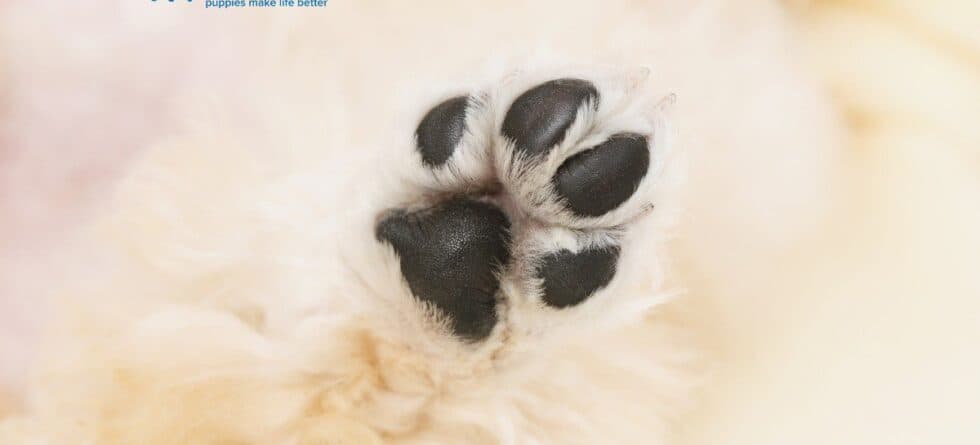
The most reliable approach to protecting dog paws in the winter is combining the right gear with a consistent post-walk routine. Ice, road salt, de-icers, and frozen pavement can cause dryness, cracking, chemical irritation, cuts, and even frostbite. The problem is that early paw damage often looks minor, like slight limping, frequent licking, or pink, irritated pads, so it’s easy to miss until it becomes painful. Learn the early warning signs of winter paw problems and the fastest ways to protect your dog’s paws, so your pup stays comfortable and safe on every cold-weather walk.
Key Takeaways:
- Snow, ice, salt, and low temperatures can lead to cracked pads, chemical irritation, and frostbite.
- Common warning signs include limping, constant licking, swelling, redness, and pale/gray discoloration.
- Ice and snow can clump painfully between toes; a kitchen whisk can loosen clumps gently.
- Salt and de-icers can sting and burn paw pads and may upset your dog’s stomach if licked; even “pet-safe” products can still irritate.
- Protect paws with dog boots (such as Ruffwear or Kurgo) or paw balm (such as Musher’s Secret).
- Boots offer the most protection, while balm is helpful for short outings or dogs that won’t tolerate booties.
- After walks, rinse paws with warm water and dry thoroughly to reduce irritation and infection risk.
- Inspect paws after every trip outside; trim nails and paw fur weekly.
- In freezing conditions, keep walks shorter (around 15–20 minutes) and consider using both balm and boots when needed.
What Winter Hazards Make Protecting Dog Paws in the Winter Especially Important?
Snow, ice, salt, and cold winds can be tough on paw pads. They may dry the skin, cause cracking and swelling, trigger frostbite, and sometimes lead to infection. Many dogs come home from winter walks uncomfortable, and owners often don’t notice the problem right away.
What Issues are Caused By Snow and Ice on Dog Paws?
Snow and ice can create painful ice balls, worsen cracking, and raise the risk of frostbite. Ice may freeze between toes and pads, making each step uncomfortable. Snow can cling to the fur between toes and pull at the skin as it melts, which may cause peeling, bleeding, and increased licking (often making irritation worse).
One helpful hack for protecting dog paws on winter walks is using a kitchen whisk to gently break up snow clumps, rather than pulling them off.
How Can Rock Salt and Chemical De-Icers Harm Dogs?
Salt and ice-melt chemicals can burn paw pads, dry and crack skin, and cause stomach trouble if your dog licks them off. Many melts contain ingredients such as sodium chloride and magnesium chloride, which can irritate on contact and may lead to vomiting or tremors if swallowed. Even products labeled “pet-safe” can still bother sensitive paws, especially when winter air is already drying out the skin.
For protecting dog paws in the winter, many vets recommend rinsing paws with warm water after every walk, especially in cities where sidewalks are heavily treated.
Which Symptoms Indicate Your Dog Has a Winter Paw Injury?
Look for limping, redness, blisters, or repeated licking. If your dog frequently lifts a paw or seems reluctant to walk, check for cracks, cuts, or inflamed skin. Pads that look pale, gray, or otherwise unusual may signal frostbite.
Examine paws after every outing. If pain, swelling, or bleeding persists, contact your veterinarian; winter paw issues can escalate quickly.
What Works Best Against Snow and Salt?
One of the best ways to protect your dog’s paws in winter is to combine the right gear with a consistent post-walk routine. Snow and salt can irritate paws fast, and you may see redness, cracking, or limping within a short time without protection.
What Methods Protect Paws During Snowy Walks?
Use dog boots, paw balm, and a consistent post-walk cleaning routine.
- Boots shield paws from salt, ice, and chemicals and help stop snow from packing between toes.
- Balm (like Musher’s Secret) creates a protective layer and helps prevent dryness.
- After each walk, rinse paws with warm water to remove salt and chemical residue.
Trimming fur around the paws can also reduce snowballs. If snow packs between toes, use a whisk to loosen it gently rather than pulling.
How Does Paw Balm Help Protect Dog Paws in the Winter?
Paw balm leaves a thin, wax-like coating that reduces contact with moisture, salt, and cold surfaces while helping pads stay soft. Apply a small amount before going outside, including between the toes. After the walk, rinse paws and wipe away excess so your dog doesn’t lick too much.
Choose balms with straightforward ingredients like beeswax, coconut oil, or shea butter. If your dog has sensitive skin, test a small area first.
What Winter Dog Booties Work Best for Salt Protection?
Pick boots that are water-resistant or waterproof, with sturdy soles and good grip. Avoid very thin rubber-only booties, since they can hold moisture against the paw and may leave paws feeling colder.
Well-known options include Ruffwear Grip Trex and Kurgo Blaze. Look for secure straps (Velcro or stretch closures) that keep boots in place without rubbing.
To help your dog adjust, start indoors. Try one boot at a time and use treats and praise. With patience, many dogs learn to tolerate booties and walk more comfortably in winter.
Are Dog Booties Effective for Protecting Dog Paws in the Winter?
Yes, booties can significantly reduce winter paw problems. The best pairs help keep paws warm, dry, and steady on slippery surfaces.
Which booties provide the most traction and warmth?
Look for boots with grippy soles and thicker materials. Ruffwear Grip Trex is widely known for traction, while Kurgo Blaze Cross is often chosen for warmth and water resistance. Qumy boots commonly feature fleece lining and wider openings, which can be easier for first-time boot users.
Choose boots that remain flexible in cold weather, and avoid styles that become stiff or crack. Velcro straps typically offer the most reliable fit.
Are Anti-Slip or Waterproof Boots Better?
Ideally, choose boots that offer both. Anti-slip soles help prevent slips, and waterproof materials keep paws drier. Brands like Ruffwear, Kurgo, and Ultra Paws often combine these features.
How Do You Get Dogs Used to Wearing Booties?
Begin indoors with brief sessions. Use treats and praise to build a positive association. Many dogs walk awkwardly at first, but often adjust quickly. Gradually increase wear time, and keep straps snug without cutting off circulation.
Fit matters a lot. Boots that don’t fit well can rub, cause limping, or make your dog refuse to walk. Rinse boots after walks and let them air-dry.
Can Paw Balm Replace Boots When Protecting Dog Paws in the Winter?
Yes. Paw balm is a solid option for dogs that won’t wear boots.
Balms help by coating the paw pads and reducing direct contact with salt, wet snow, and cold pavement. While balm is not as protective as boots, it can still make winter walks more comfortable, especially for quick potty breaks.
What ingredients should you look for in a quality balm?
Choose simple, dog-safe ingredients:
| Quality Balm Ingredients | Benefits |
|---|---|
| Beeswax | Helps lock in moisture |
| Coconut or olive oil | Softens dry skin |
| Vitamin E | Supports skin repair |
| Shea butter | Calms and protects |
Skip heavy fragrances and unnecessary additives. Since many dogs lick their paws, ingredients should be safe if ingested.
Protecting Dog Paws After Winter Walks: How to Clean and Inspect
The preparation for walks is part of the process, but maintenance afterwards is just as important. Make sure you’re taking care of any gear and inspecting your dog’s paws when you’re back home.
How Can You Safely Remove Salt and Ice From Paws?
Rinse paws with warm water and wipe with a soft cloth. This helps remove salt and chemicals that can irritate pads or cause problems if licked. If ice is stuck between toes, use a whisk to loosen it gently.
Dry paws completely with a clean towel, especially between toes. Wash booties too, since salt can damage materials and irritate skin.
Why is Thorough Drying Important For Paw Health?
Dry paws reduce the risk of cracking, yeast, fungus, and infection. Damp spaces between toes can allow bacteria or yeast to grow. Since winter air is dry, wet paws may also split more easily.
What Should You Look For When Inspecting Paw Pads?
Check for cuts, swelling, peeling, redness, or anything lodged in the pads. Pale, gray, or bluish patches may suggest frostbite. If pain, swelling, bleeding, or limping lasts longer than a day, call your vet.

Signs Your Dog Needs Better Paw Protection
When you inspect your dog’s paws, be on the lookout for causes of concern. Some instability is normal in the winter, but there are other signs to look for.
What Does Frostbite Look Like on a Dog’s Paw?
Paw tissue may look pale, gray, or bluish and feel very cold or stiff. Later, swelling may develop, and dark or black areas can appear. If your dog suddenly refuses to walk or holds a paw up, check immediately.
When Should Cracking or Limping Be a Cause for Concern?
Cracks, bleeding, or limping are signals to intervene. Cracking is often linked to dryness, salt irritation, or cold exposure. Limping may indicate a cut, a chemical burn, or something stuck in the paw. If swelling doesn’t improve, infection may be developing.
What First Aid Steps Can Be Taken at Home?
For minor cracking, rinse with warm water, dry thoroughly, and apply balm (or a small amount of coconut oil). Don’t pop blisters or pick at damaged skin. If you see black tissue, significant pain, or persistent bleeding, contact your veterinarian. If needed, wrap loosely with gauze and prevent licking.
Winter Routine for Protecting Dog Paws
After every walk, rinse paws with warm water and dry completely. Apply balm to dry areas. Trim nails weekly and clip excess fur between pads to improve traction and reduce snow clumps.
Moisturize about twice per week (or more in harsh weather) and trim paw fur weekly. On freezing days, apply balm before and after walks, including between the toes.
For very short potty trips, Press’n Seal plastic wrap can work as a quick, temporary barrier. Remove it immediately after the walk.
Should You Use Boots, Balm, or Both for Protecting Dog Paws in the Winter?
In many cases, using both is the best choice on icy, snowy, or heavily salted surfaces. Boots offer the strongest shield, while balm adds comfort and supports pad health.
- Balm is quick to apply and helps with dryness, but it can wear off, and some dogs will lick it.
- Boots block salt and ice more effectively and improve grip, but a poor fit can cause rubbing or fall-off, and they require cleaning.
Small dogs and short-haired breeds often need more protection. Thick-coated dogs may tolerate cold better overall, but they can still suffer from salt irritation and ice clumps. Dogs in cities often benefit from boots because sidewalks are frequently treated.
How Cold is Too Cold for Protecting Dog Paws in the Winter?
At around 32°F (0°C) and below, most dogs benefit from paw protection, especially on salted surfaces. In freezing weather, walks should last 15–20 minutes. Puppies, seniors, and small breeds may need even shorter outings.
Cold temperatures reduce blood flow to paws, increasing frostbite risk. Warning signs include shivering, stiff movement, and pale pads. In extreme conditions, hypothermia is also a concern.
Protecting Dog Paws in the Winter is Easier With a Simple Routine
Winter can be harsh on dog paws, but a few smart habits go a long way. For protecting dog paws, use boots or balm (or both), keep walks shorter in freezing weather, and always rinse-and-dry paws after outings. Check paws every time and adjust based on your dog’s size, coat, and comfort. Healthy paws help your best friend stay happy all season long.
You can find more assistance on protecting your dog at Puppy Dreams. When the cold weather comes around, and you want to make sure you’re doing everything you need for your pup, be on the lookout for more helpful information. Puppy Dreams is here to help you through the cold months, and the warm ones, too!