
Puppy Care in Winter: How Cold is Too Cold Outside?
By Puppy Dreams Editorial Team · February 3, 2026
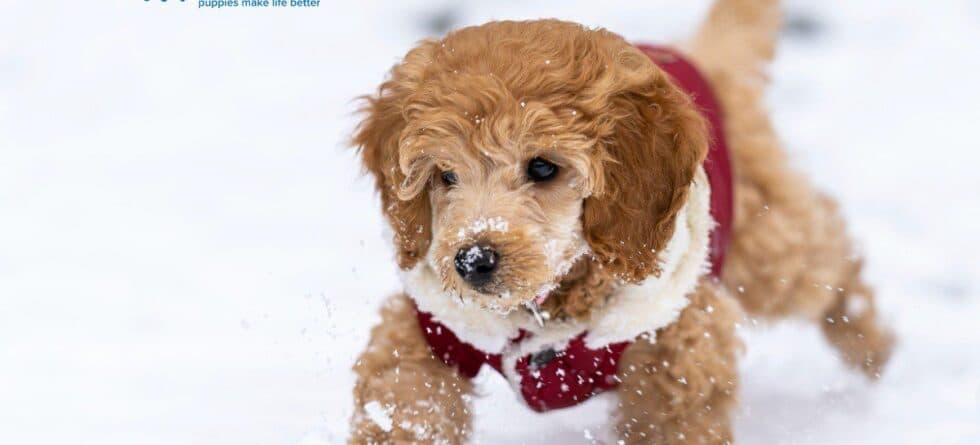
Winter puppy care tips help keep your pup comfortable and protected in cold weather. Winter walks are a lot of fun, but cold temperatures can quickly become unsafe for your new puppy. If you’re wondering how cold is too cold, you’re definitely not alone. Understanding the importance of puppy care in winter helps to ensure your puppy’s comfort and safety. Learn how to dress your pup for chilly weather, spot early warning signs of trouble, and know when it’s best to skip the walk and stay indoors.
Key Takeaways:
- Avoid walks below 20°F (-6°C); limit outdoor time under 30°F.
- Most puppies benefit from jackets and waterproof booties in cold weather.
- Signs your puppy is too cold: shivering, paw lifting, slow movement, whining.
- Indoors, keep temperatures between 68°F–72°F and use raised beds with blankets.
- Hypothermia signs: cold skin, weak pulse, lethargy; call your vet at once.
- Use paw balm before walks; clean and dry paws after being outside.
- Increase food by 10–15% during winter; provide warm, fresh water.
- Avoid metal bowls and unsafe chemicals like antifreeze; store them safely.
- Important gear: coat, boots, ID tags, emergency car kit.
- Indoor activities: puzzle toys, hallway fetch, training, and chew toys.
- For house training in cold weather, keep sessions brief or use pee pads indoors.
How Can You Safely Walk Your Puppy During Winter?
Navigating is always difficult with dogs, but it can be especially hazardous with puppies. Taking the right precautions and avoiding dangerous conditions are the most important first steps.
How Cold is Too Cold to Take a Puppy for a Walk?
Most puppies should not go for walks if it’s below 20°F (-6°C). Puppies lose heat faster than adult dogs. Small breeds, short-haired dogs, or very young pups should stay inside when the temperature is near freezing. If your face feels numb outdoors, your puppy’s paws could freeze in minutes. Wind and damp fur make it worse. If your puppy is shivering, whining, or lifting paws often, bring them in right away.
Before each walk, check the weather. If it’s below 30°F, reduce time outside. At 20°F and under, use cold-weather gear or skip the walk altogether.
Are Jackets Necessary for Puppy Care in the Winter?
Yes, most puppies need jackets when it’s cold.
Short hair and small frames make it hard for puppies to stay warm without help. A snug sweater helps retain body warmth. Choose jackets that cover the chest, belly, and tail base. Cotton or knit works well in dry weather, while waterproof options are better for snow or rain.
Long-haired pups may not need a jacket, but some still get cold easily. Watch for stiff movement or shaking. These dogs may prefer lighter layers. Avoid jackets that rub or interfere with walking and play.
What Boots Should Puppies Wear in Snow?
Choose soft, snug, waterproof booties that cover the paws and lower legs.
Snow, ice, and salt can damage puppy paws. Small cracks or cuts can become infected quickly. In towns and cities, sidewalks are treated with salt that stings and can cause poisoning if licked.
Introduce boots slowly. Let your puppy wear them indoors at first and reward them with treats. Choose booties with wrist straps that stay on securely but don’t squeeze or push toes together.
If your puppy refuses boots, use a vet-safe balm like petroleum jelly. Apply it to paws before each walk to stop snow and salt from sticking. After walks, clean each paw with a warm, damp cloth and dry them thoroughly.
What Puppy Care Hazards Should Owners Look Out for in the Winter?
Salt, ice, and frozen ground can be harmful. Street salt may burn paw pads. Puppies might lick it off and fall ill. Antifreeze spills near garages and roads can be deadly. Avoid driveways and streets when you see any unknown liquid. Clean your puppy’s paws promptly if they step in something concerning.
Packed snow and ice cause slipping. Puppies may twist joints or hurt their tails. Stick to flat routes that are clear of ice and stay dry. Keep the leash short to prevent running or sliding.
If your puppy runs off-leash in the snow, they may lose their scent trail. Dogs often get lost this way. Always use a collar with up-to-date ID tags and never let your puppy off-leash in parks or yards without fencing.
Puppies need fresh air, but staying safe in cold weather takes planning, the right gear, and good timing. If you're unsure, skip the snow and play inside where it's safer.
What Are the Best Ways to Keep Your Puppy Warm Indoors?
Puppies can still feel cold indoors, especially on tile or drafty floors. Here’s how to keep them cozy.
| Sources for Indoor Warmth | Benefits |
|---|---|
| Use raised beds and warm blankets | Puppies lose body heat through contact with cold surfaces. Choose a bed that stays off the floor and place it away from windows or entryways. Add fleece or flannel blankets to hold warmth. Heated pet beds can help, as long as they have chew-proof cords and shut off on their own. |
| Pick the warmest room for sleep | Keep your puppy’s bed in the toastiest room. Close windows tightly and use draft stoppers under doors. If the air feels dry, use a humidifier to prevent chapped skin and noses. |
| Avoid unsafe heating items | Never use human electric blankets or heating pads. Puppies may overheat or burn. Don’t use a space heater unless it’s guarded and safe from tipping. Puppies chew cords, so check heater placement carefully. Ceramic heaters with cool exteriors or pet heat lamps are good safer options. |
What Inside Temperatures Are Best for Puppy Care in Winter?
Keep indoor temperatures between 68°F and 72°F. This range helps puppies stay warm without risk of overheating. Use a thermometer to monitor your space. If your home gets chilly at night, add another blanket or move your puppy closer to your room.
What Helps During a Power Outage?
Wrap pups in towels with warm water bottles tucked inside. Fill the crate with thick bedding. Do not leave them alone with candles or open flames. Bring your puppy close to share your body warmth.
A warm puppy is a happy one. Keep the home cozy, and they’ll rest easily.


What Signs Indicate Your Puppy is Too Cold?
Shivering, paw lifting, a tucked tail, and slow steps are signs your puppy is uncomfortable. Whining or hesitating on walks means they want to go inside.
Dogs can’t speak, so watch how they move. Trembling shows they’re trying to make heat. If they seem stiff or walk differently, their joints or paws may hurt from the chill.
Cold puppies may stop playing, become sleepy, or act quiet. This could be the early stage of hypothermia, which affects how their bodies work.
What is Hypothermia in Puppies?
Hypothermia means the body’s heat has dropped too far. It stresses vital organs fast.
This can happen to small dogs or wet puppies in very little time. Light gums, cold ears, weak pulses, and slow behavior are big warning signs. At that point, quick action is vital.
What Should You Do If Your Puppy Has Hypothermia Signs?
Take them inside and wrap them in a dry towel. Place a warm (not hot) water bottle near their body, wrapped safely to avoid burns. Hold them for comfort and body warmth.
Don't use hair dryers or heating pads; they can hurt skin. Never leave them alone next to a heater. Call your vet quickly if symptoms persist or get worse. If you think they were exposed to antifreeze or any harmful winter product, call the ASPCA Animal Poison Control Center.
Why Are Puppies More Sensitive Than Adults? The Importance of Puppy Care in Winter.
They have less fat and lighter coats, so they can’t hold warmth as well. Wet fur, cold wind, or sudden temperature drops can lead to frostbite on their ears, tail, or toes.
Trust what you see; if your puppy looks cold, they probably are. Keep outside time short, use the right gear, and check paws, bellies, and ears after each outing. Knowing the signs your puppy is too cold helps you act quickly.
How Should You Adjust Your Puppy’s Diet and Hydration for Winter?
Puppies burn more energy in the winter trying to stay warm. That means more calories may be necessary for puppy care in the winter. Increase daily food intake by 10% to 15% after speaking with your vet, especially for very young or small breeds. Avoid food brand swaps without professional advice to prevent stomach upset.
Use foods rich in protein and good fats to support energy, warmth, and healthy skin. Omega-3s and fish oil help fight dry winter skin. Wet food toppers can encourage pups to eat more, too.
How to Keep Your Puppy Well-Hydrated in Winter
Provide warm, clean water at all times. Cold weather doesn’t mean no thirst. In fact, heated homes can dry the air. Puppies may avoid icy water, so check bowls often. Heated or plastic water bowls work better outside than metal, which can cause tongue injuries.
If your puppy avoids drinking, you can moisten kibble or mix in low-sodium broth. These gentle tricks help increase water intake.
Should Winter Diets Include Supplements?
Only after asking your vet. Some nutrients, like fish oil, vitamin E, and zinc, may help your puppy’s coat and immune health. Too much can be harmful, so make clear choices with your vet. You might add foods like sweet potato, yogurt, or sardines in small servings for extra support. Feeding your puppy well in winter means better energy, protection, and recovery from cold days.
Puppy Care in the Winter: Staying Warm and Aware
Winter can be a difficult time for puppies. But with the right preparation and care, your pup can thrive, no matter the conditions. Other options are always available for further guidance and toughing out the winter months.
At Puppy Dreams, we care about the well-being of you and your puppy. Take a look at more resources whenever it comes to answering new questions. Taking the proper steps should keep your dog happy, healthy, and energized throughout the year.