
Road Trips with Dogs: Tips and Packing Essentials
By Puppy Dreams Editorial Team · December 4, 2025
Picture this: you're three hours into your drive when your dog starts panting heavily, whining, and pacing in the backseat. Road trips with dogs can quickly turn stressful without proper preparation. Will your pup stay calm during long stretches between rest stops? Do you have the right gear to keep them safe if you need to brake suddenly? Have you identified pet-friendly places to stay along your route? Find support and tips for how to ensure your puppy is happy and healthy on your trip.
Key Takeaways:
- Start car training several weeks before your trip by taking short practice drives and pairing them with positive experiences like park visits or treats.
- Always use crash-tested harnesses or secure crates to protect your dog during sudden stops; never allow them to ride in the front seat or hang their head out the window.
- Schedule a veterinary checkup before departure to confirm vaccinations are current, update ID tags and microchip information, and discuss any medications your dog may need.
- Pack essential items, including food, water, collapsible bowls, medications, first aid supplies, veterinary records, waste bags, a familiar bed, and engaging toys.
- Plan breaks every two to three hours for bathroom needs, water, and exercise to reduce stress and prevent discomfort.
- Use pet travel apps like BringFido and Roadtrippers to map dog-friendly stops, accommodations, and attractions along your route.
- Book pet-friendly accommodations in advance at chains like Kimpton, La Quinta, or Motel 6, and always call ahead to confirm specific pet policies.
Understanding Road Trips With Dogs
Before planning road trips with your dog, assess their comfort level with car travel. If your dog shows signs of anxiety, such as drooling, excessive barking, or freezing when approaching the vehicle, address these concerns before attempting a long journey. Take short practice drives to familiar locations, like a nearby park, to build positive associations with the car.
Preparing For Your Pup’s Road Trip
Begin acclimating your pup several weeks before your departure. Spend time with them in your vehicle; feed meals in the car and play with favorite toys in the backseat. Gradually introduce engine sounds and brief drives. Remain calm and offer consistent praise throughout the process.
Watch for stress indicators, including shaking, pacing, whining, or reluctance to enter the vehicle. Dogs experiencing travel anxiety may benefit from having familiar blankets or toys from home, and pre-trip exercise to burn excess energy. Visit your vet to learn what medication options might be available for your pup.
Schedule an appointment with your vet at least two weeks before your departure. It is crucial to confirm your dog is healthy enough for travel and verify all vaccinations are current. Request printed copies of health records, as some states and accommodations require proof of rabies vaccination. Verify your dog's ID tag displays current contact information and update microchip registration if needed.
Creating a Safe Car Environment for Dogs
Once you’ve established that your puppy is healthy enough for a road trip, it is important to ensure they have a safe environment for the trip.
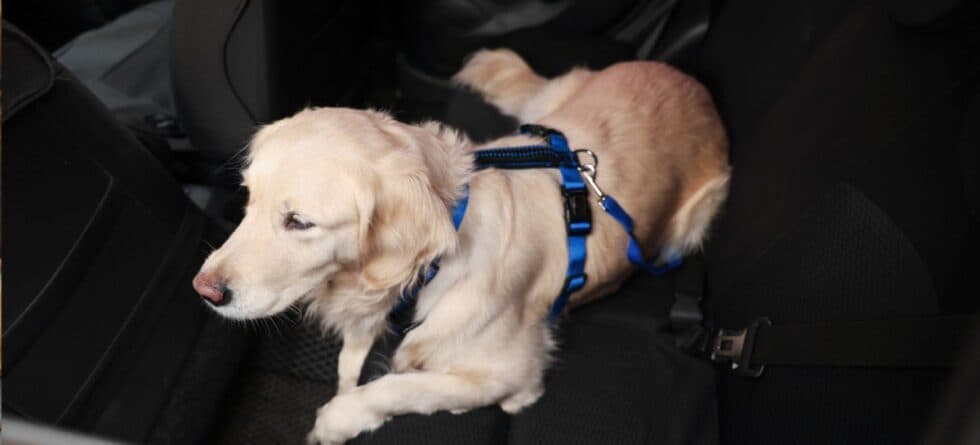
Use crash-tested harnesses or secured crates for all road trips with dogs. Quality harnesses clip directly into your vehicle's seat belt system, while crates should be fastened securely to prevent shifting. Remember: never allow your dog to ride in the front seat where airbags can cause serious injuries, or permit them to hang their head out the window.
Design your dog's travel space with proper airflow and support. Some popular suggestions include:
- Hammock-style seat covers to prevent sliding and protect upholstery.
- Covers with mesh panels to allow for air circulation.
- Place a familiar dog bed in the designated area so recognizable scents help your pet relax.
Remember that gear alone cannot replace the benefits of frequent stops. Allow your dog to sniff new environments, play briefly, and use bathroom facilities every few hours.
Packing Essentials for Road Trips with Dogs
Once your car is ready for your puppy to travel, review these packing essentials to make sure you are fully prepared for travelling with dogs.
| Essential Item | Purpose | Pro Tip |
|---|---|---|
| Food and water | Maintain regular diet and hydration | Pack 2 extra days of food in sealed containers |
| Collapsible bowls | Easy feeding and drinking during stops | Choose spill-proof options for in-car use |
| First aid kit | Handle minor injuries quickly | Include tick remover and hydrogen peroxide |
| Familiar bedding | Reduce anxiety in new places | Use items that smell like home |
| Waste bags | Clean up at every stop | Bring more than you think you need |
| Toys and chews | Mental stimulation and comfort | Rotate toys to maintain interest |
Assemble a comprehensive first aid kit that addresses common travel injuries. These might include cuts, insect bites, and paw pad damage. Pack gauze pads, medical scissors, tweezers, adhesive bandages, alcohol swabs, and a tick removal tool. Print your regular veterinarian's contact information and research emergency clinics near your planned stops.
Include extra doses of all prescription medications in case of travel delays or emergencies. Attach a durable ID tag with current phone numbers to your dog's collar and verify microchip registration details are updated.
Bring your dog's regular food in quantities that cover your entire trip plus two additional days. Use labeled bags or sealed containers to maintain freshness. Avoid introducing new diets during travel, as sudden dietary changes can cause digestive upset. Pack adequate water supplies and include pet-safe wipes for quick cleanups between stops.
Puzzle toys with hidden treats provide mental stimulation during downtime. Long-lasting chews like bully sticks or toys filled with peanut butter keep jaws occupied and reduce anxiety-driven behaviors. Pack separate toys for rest stop play and in-car entertainment.
Planning Pup-Friendly Routes and Stops
Utilize applications like BringFido and Roadtrippers to identify pet-welcoming stops along your route. These platforms highlight hotels, restaurants, parks, and attractions that accommodate dogs, complete with user reviews. The tools also locate gas stations with designated dog areas and restaurants offering outdoor seating where pets are welcome.
Select open-air locations with minimal traffic and clearly posted pet policies. State parks, rest areas with fenced dog zones, and highly rated hiking trails offer ideal opportunities for exercise. AllTrails provides detailed information about trail conditions, leash requirements, and difficulty levels.
Plan stops every two to three hours for bathroom breaks, water access, and brief play sessions. These regular intervals reduce stress and prevent physical discomfort. Begin and end each travel day with substantial walks rather than quick potty breaks.
Booking Dog-Friendly Accommodations
Contact accommodations directly to clarify pet policies before booking. Many listings indicate "pets allowed" but include restrictions on size, number of animals, or specific room types.
Use hotel search filters or Airbnb's pet toggle to narrow options, then read reviews from previous guests about their experiences traveling with dogs.
Maintain regular feeding and walking schedules despite changing locations. Use your own bowls and lay out familiar bedding in a consistent spot within the room. If your dog shows stress in new environments, offer calming chews, favorite toys, or items that carry your scent.
Provide substantial exercise or play before bedtime to minimize overnight restlessness. Request rooms near outdoor exits to simplify bathroom trips during the night.
Managing Anxiety During Road Trips with Dogs
Test calming supplements, CBD products designed for pets, or anxiety-reducing sprays well before travel day. Pressure wraps can provide gentle, constant pressure that many dogs find soothing. Herbal chews containing chamomile or lavender-scented wipes applied to bedding may support relaxation.
Provide vigorous exercise through long walks or play sessions before driving sessions. Physical exertion reduces excess energy and stress hormones, allowing dogs to rest more comfortably in the vehicle. Regular movement opportunities help dogs mentally disconnect from travel stress.
Consult your veterinarian when behavioral interventions and natural products prove insufficient. Prescription medications to benefit dogs with severe travel anxiety may be available. Always administer a test dose at home several days before departure.
Arrange familiar bedding and add safe chew items or food-dispensing toys like frozen Kongs. Some dogs respond positively to soft background music during drives. Adhere to regular feeding times, water offerings, and walk schedules throughout your trip. Familiar rhythms provide comfort and security in changing environments.
Road Trips With Dogs: Food, Hydration, and Bathroom Management
Offer water every two to four hours and serve meals at your dog's normal feeding times. Use spill-proof travel bowls or bottles with attached cups for convenient access. Continue your dog's regular diet to prevent digestive upset. Avoid feeding during vehicle movement, especially for dogs prone to motion sickness.
Watch for symptoms including dry gums, excessive panting, and lethargy or weakness. Heavy panting beyond normal exercise recovery indicates overheating. Pull over immediately, offer water in a shaded area, and use cooling towels if needed. Never leave dogs unattended in parked vehicles.
Other tips to ensure your puppy is safe and happy on a road trip include:
- Preserving regular walk times, feeding schedules, and bathroom breaks.
- Setting phone alarms to ensure you don’t miss planned stops.
- Carrying adequate waste bags and disposing of waste properly at each stop.
Outdoor Activities That Enhance Travel
Hands-free waist leashes improve mobility while maintaining control during hikes. Dog boots protect paws from hot surfaces and sharp rocks. Collapsible bowls ensure easy water access on trails. Use AllTrails to filter searches for pet-friendly paths with information about leash requirements and difficulty ratings.
When camping, bring comfortable bedding, a secure tether system, and weather-appropriate clothing layers. Never leave dogs unattended in tents or tied outside your immediate supervision area. Research campgrounds through BringFido to find facilities with dog-friendly trails and swimming areas.
Sniffspot offers hourly rentals of private, fenced yards where dogs can exercise safely. Many locations include water bowls, shade structures, and agility equipment. Select travel plazas like Love's now feature enclosed pet relief areas. Look for facilities with double-gate entry systems and well-maintained grounds.
Frequently Asked Questions About Road Trips with Dogs


How do I prepare my dog for their first road trip?
Start with short practice drives several weeks before your trip. Take your dog to fun destinations like parks to create positive associations with car travel. Let them spend time in the parked vehicle with treats and toys. Gradually increase drive duration while monitoring for signs of stress like drooling or excessive panting. Schedule a veterinary checkup to ensure they're healthy for travel and discuss any anxiety concerns.
What should I do if my dog gets car sick?
Consult your veterinarian about motion sickness medications before your trip. Feed smaller meals or withhold food for a few hours before driving. Keep the car well-ventilated and maintain a comfortable temperature. Take frequent breaks to let your dog get fresh air. If symptoms persist, your vet may prescribe anti-nausea medication.
Can I leave my dog alone in a hotel room?
Many hotels prohibit leaving dogs unattended in rooms due to potential barking, property damage, or liability concerns. Always check the specific pet policy before booking. If you must leave briefly, crate-train your dog beforehand and ensure they're comfortable in the crate. Consider using a pet-sitting service or bringing your dog with you to pet-friendly restaurants and outdoor attractions.
How often should I stop during a long drive with my dog?
Plan breaks every two to three hours for bathroom needs, water, and brief exercise. Longer stops with 10-15 minutes of walking or play help reduce stress and prevent stiffness. Very long drives may benefit from even more frequent stops. Watch your dog's behavior; signs of restlessness indicate they need a break sooner than planned.
Practical Steps for Planning Your Trip
Step One: Prepare Your Dog and Vehicle. Begin car training at least three weeks before departure with short practice drives to enjoyable destinations. Schedule a veterinary appointment to confirm vaccinations, discuss travel medications, and obtain health records. Install crash-tested restraints or secure crates in your vehicle's rear area. Test all equipment during practice drives to ensure your dog adapts comfortably.
Step Two: Research and Book Your Route. Use BringFido and Roadtrippers to map pet-friendly accommodations, rest stops, and attractions along your planned route. Call hotels directly to confirm pet policies, fees, and room availability. Identify emergency veterinary clinics near each overnight stop and bookmark their contact information. Plan stops every two to three hours at locations with dog relief areas or short walking trails.
Step Three: Pack Smart and Stay Flexible. Assemble your dog's travel kit, including food for the entire trip plus extras, medications, first aid supplies, familiar bedding, waste bags, and engaging toys. Pack all identification documents and veterinary records in an easily accessible location. Maintain your dog's regular feeding and walking schedule throughout the journey. Monitor for signs of stress or discomfort and adjust your pace as needed to ensure your dog's well-being.
Road Trips with Dogs at Puppy Dreams
Successful road trips with dogs require more than enthusiasm and a full tank of gas. Careful preparation, appropriate gear, and attentive monitoring transform potentially stressful journeys into positive bonding experiences for you and your pet.
At Puppy Dreams, we understand that every dog has unique travel needs and personalities. We connect families with resources, training guidance, and expert recommendations to help your dog become a confident, comfortable travel companion. Our approach emphasizes gradual acclimation, proper safety equipment, and stress-reduction techniques that work with your dog's natural behaviors.
Whether you're planning your first weekend getaway or preparing for a cross-country adventure, thoughtful planning ensures both you and your dog can enjoy the journey together. Ready to start planning your next adventure? Contact our team for support and to discuss specific training strategies for anxious travelers. Your best friend deserves to experience the open road with comfort, safety, and joy.