
Travel Anxiety in Dogs: Causes and How to Cope
By Puppy Dreams Editorial Team · December 8, 2025
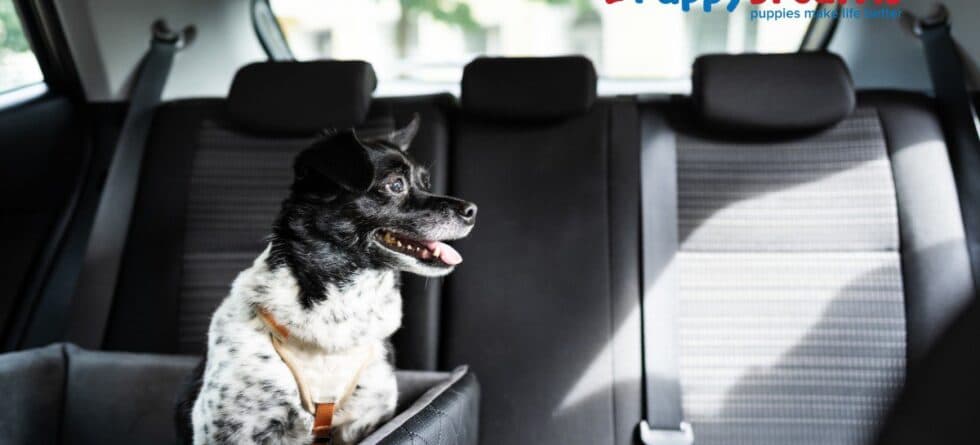
Many dogs shake, whine, or hide when it’s time for a car ride. Your pet is not alone. Travel anxiety in dogs happens more often than most people realize, and it can worsen over time. It hurts seeing cheerful, playful pups become visibly stressed at the sound of car keys. Understanding what causes travel anxiety in dogs is the first step in helping your pets feel secure again.
Key Takeaways:
- Common causes of travel anxiety in dogs: motion sickness, loud noises, and past associations.
- Symptoms: panting, shaking, drooling, whining, vomiting, refusal to enter the car.
- Desensitization and counterconditioning (reward-based exposure to the car) can help.
- Crate training provides security and stability during travel.
- Calming aids: ThunderShirts, Adaptil spray, Rescue Remedy, herbal supplements (chamomile, valerian root, L-theanine).
- Medications like Benadryl or Gabapentin may be used for severe cases.
- For rides: careful packing, soft music, good airflow, low stimulation, and regular breaks.
- Seek vet or behaviorist guidance if anxiety continues or worsens.
Common Causes of Travel Anxiety in Dogs
Some dogs act afraid in the car because of motion sickness or negative memories from unsettling past experiences. Dogs often shake, drool, or scramble. This is not just from stress, but from real discomfort or fear. These are typical behavioral signs of dog car phobia.
The leading causes of travel anxiety in dogs include:
- motion sickness
- loud noises
- bumpy rides
- negative experiences
How Motion Sickness Causes Travel Anxiety in Dogs
Motion sickness makes dogs feel ill, which leads them to fear the car altogether. Dogs might drool, lick their lips, or vomit. Puppies are particularly sensitive because their inner ear, which is essential for balance, is still developing. When a dog feels queasy whenever the car moves, they start to associate the car with illness.
Even when nausea stops, unease can remain. Early support really helps prevent long-term fear.
How Negative Experiences Cause Travel Anxiety in Dogs
Many dogs only go in the car for vet visits, which builds a strong link between driving and discomfort. If a dog once rode in a car to be dropped at a shelter, the memory may linger. Dogs remember tension. A loud vet visit, a crash, or being dropped off somewhere unfamiliar can stick in their mind. That memory of discomfort can grow over time even without any ongoing bad experiences.
What began as mild unease can escalate into panic. You might see your dog freeze, shake, or back away from the car door. Left alone, stress like this tends to grow.
The triggers behind travel anxiety in dogs don’t just disappear, but recognizing them helps owners offer better comfort and care.
Recognizing Travel Anxiety Symptoms in Your Dog
Travel anxiety in dogs usually appears as:
- panting and whining
- drooling
- shaking
- refusing to go near the car or trying to get out
- restlessness, pacing, and jitters
- lip licking
- frequent yawning
- bathroom accidents
All of this means your dog is struggling to feel secure. None of these are random; they reveal emotional tension. Pay attention to their ears, tail, and posture. Notice flattened ears, tails tucked down, or a stiff frame. These reactions may occur quickly or even before you reach the car door. Paying attention to these subtle cues helps you identify travel anxiety in dogs before it becomes severe. However, if ignored, fear can build.
Anxiety Versus Motion Sickness in Dogs
The symptoms of travel anxiety in dogs differ from those of motion sickness. Motion sickness usually involves vomiting, lack of energy, and drooling; anxiety shows as visible discomfort.
The two issues come from different sources. Motion sickness starts in the balance system. Anxiety stems from emotional stress. Sick dogs may appear quiet or queasy. Anxious ones show more energy by panting, pacing, or vocalizing.
Sometimes both conditions exist. A dog that’s already nervous may become nauseous. One who gets sick often in the car might develop a fear of it. If you’re not sure, consult a vet. Care for sickness and care for stress aren’t the same. Knowing the difference matters.
Travel Anxiety in Older Dogs
Older dogs can be more prone to travel anxiety as they age. Senior dogs may have trouble hearing or seeing. They get more confused. What used to feel manageable might now cause stress. Older dogs may also have physical discomforts that heighten sensitivity to loud noises or movement.
They may develop brain changes that further complicate traveling. If your older pet begins acting lost, clingy, or reactive during short drives, rising travel anxiety could be the reason.
Even subtle signs in older dogs should be taken seriously. Gentle support helps them stay comfortable and mobile. Older dogs can enjoy car trips, but they may need extra care.
Whether young or old, watch for signs like panting, shivering, and car avoidance. Those signals mean your dog is feeling overwhelmed. Early support makes a big difference.
Most Effective Training Methods to Reduce Travel Anxiety
If your dog struggles with car rides, several gentle training methods can make travel less stressful and more positive. These techniques focus on building trust, confidence, and comfort over time:
- Desensitization: Gradually introducing car-related experiences in calm, controlled ways.
- Counterconditioning: Replacing fear with positive associations using rewards and praise.
- Crate Training: Creating a secure, familiar environment inside the crate and car.
- Reward-Based Reinforcement: Using treats and encouragement to motivate calm behavior.
- Calming Aids: Supporting training with pheromone sprays, soothing sounds, or vet-approved products.
Desensitization and Counterconditioning
Desensitization is about helping dogs adjust to car rides through repeated, low-stress exposure.
Start by letting your dog sniff the parked car while offering treats. Then, try sitting together in the car without driving. Use praise and calm encouragement. Move on to short trips that end someplace fun, like the park. This builds positive associations.
Take your time. If your dog begins panting or shaking, scale back. Go at their pace. Progress takes steady, simple steps.
Counterconditioning changes a dog’s negative feelings by replacing them with positive ones.
Feed or entertain your dog while near the car. Reward calm behavior with treats or toys. Start small: let them see the car, then move closer each day. The goal is to help your dog associate the car with safety and fun.
End each short ride somewhere enjoyable. A walk trail or open field works well. Show them that getting into the car leads to good things.
Crate Training and Reward Based Training
Crate training brings comfort and predictability. A crate acts like a den for a dog. It keeps outside sounds, movements, and sights more controlled. Use cozy items like a blanket, a toy, or something that smells like you.
Dogs used to being crated at home tend to adjust better in cars. If your dog struggles with crates, start slow at first. Covering the crate can reduce distractions from outside the car.
Secure the crate with a seatbelt if possible. A stable setup can provide much-needed reassurance
Use treats your dog loves, like small bits of chicken or cheese, for reward-based travel training.
Choose something soft and easy to eat. The reward should be tastier than the fear is strong. Pair food with praise and kind words. Your dog will stay motivated if the experience stays positive.
Stop before anxiety kicks in. Always end on a calm note and build from there.
If progress seems slow, contact your vet. They can check for underlying causes like physical illness. Working on physical and emotional challenges together creates better outcomes.
Calming Aids and Natural Remedies for Travel Anxiety
Calming aids can assist your dog while they are being trained. ThunderShirts, Adaptil products, and Rescue Remedy are widely used calming products for dog travel. Chamomile, valerian root, and L-theanine are popular natural remedies.
Combining different approaches often helps manage travel anxiety in dogs more effectively, especially during longer trips. The shirt plus relaxing music or scent sprays can make a big difference.
Calming Aids for Travel Anxiety in Dogs
The ThunderShirt fits snugly and offers gentle pressure many dogs find soothing for car rides or around stressors like fireworks. Some settle quickly with the shirt, while others need practice wearing it calmly. Have your dog wear it briefly at home first. Pair with treats to build a positive connection.
Some sprays mimic dog appeasing scent signals. Adaptil, for example, uses synthetic dog pheromones to encourage calm behavior.
Rescue Remedy is made from plant extracts and is added to food or water. While gentle, results vary. Some dogs respond best with repeated doses over several hours. Make sure it's compatible with your dog's current medications.

Medication for Managing Dog Travel Anxiety
Some dogs need help beyond treats and gear. If car fear causes serious stress or safety concerns, your vet might suggest trying medicine.
If your dog still pants, drools, or resists car rides after training, medication may help. Vet input will clarify if fear, sickness, or both are causing distress.
Vets might start with non-prescription options like Benadryl for mild cases, or they might offer prescriptions like Gabapentin for stronger support.
Benadryl can reduce the intensity of mild travel anxiety in dogs, especially when paired with calm, structured training. Some dogs do well, but not all tolerate it the same way. Talk to your vet first.
Gabapentin reduces nerve sensitivity and may help calm strong anxiety. It’s typically used with training for best results. Side effects can include drowsiness or an upset stomach.
Testing different meds takes time. Let your vet guide you in trying them well before your trip. Your vet will guide you on the timing and amount of any medication for your dog. Then, you can take a short trip after a test dose to make sure it’s effective and well-tolerated.
Pair meds with comfort and training. Together, these methods support less stressful travel for everyone.
Preparing to Reduce Travel Anxiety in Dogs
Some dogs fear the car before leaving the driveway. That early panic can be lowered through preparation.
To help your dog feel secure, bring these supplies:
- A crate or seatbelt harness
- A blanket with your dog’s scent
- A favorite toy
- Calming sprays
- Fresh water and a bowl
- Light snacks or meals
These comfort items give your dog consistency while traveling. A softly padded crate feels cozy and limits movement. A familiar blanket reminds them of home.
To get your dog ready to travel in small steps, try short, calm practice rides.
Sit together in the parked car. Reward gentle behavior. Repeat that until your dog is comfortable. Then try turning on the engine. Each step builds trust, relieving travel anxiety in your dog.
After success with short rides, drive to fun spots. This helps create positive memories linked to the car itself.
Playing before trips helps too. A tired body usually stays calmer.
With planning and practice, even anxious dogs can enjoy traveling.
Comforting Your Dog During a Car Ride
Comfort and structure help reduce travel stress in dogs. Pay attention to their needs to keep them relaxed.
Soft music can help many dogs relax in the car. Try playlists with classical music or slower beats. Steady airflow keeps the car cool and lowers the chances of motion sickness. Open windows a little or use AC on a low setting.
Breaks every few hours let dogs move around, relieve themselves, and reset emotionally. Always carry a water bowl. Short stops make long trips easier for both dog and owner.
A quieter, less stimulating space makes it easier for dogs to stay calm. Block rapid movement outside with a light towel or window shade. Use low light inside the car. Avoid heavy bass in music or sharp turns. Steady driving helps dogs feel more balanced. Additionally, keep loud screens or talking GPS units quiet. Use familiar items like soft toys or puzzle feeders to distract without overexciting them.
Securing Your Dog for Travel
Dogs feel safer when they aren’t being thrown around. Safety supports peace of mind. Use a crate, harness, or booster seat to limit movement. Loose dogs may lose balance or get sick. Tie down gear cuts that risk. Crates should be lined with no-slip bedding.
Small dogs do well in booster seats that elevate their view. Harnesses should fit snugly but not restrict movement.
You can test new strategies during a ride and adjust as needed.
Support and Connection from Puppy Dreams
Helping your dog with car anxiety is possible. You can now spot the signs, name the causes, learn supportive training methods, and try calming aids or medication if needed. With time and patience, calmer car rides are ahead. Your dog can feel safe again, and you’ll both get to enjoy the road together.
If you’re ready to put these steps into action, reach out to us at Puppy Dreams. Our mission at Puppy Dreams is simple: empower owners with knowledge, support dogs in their growth, and create connections that last a lifetime. Let our caring team connect you with resources or even with your next furry travel companion today.