
Traveling with Puppies: How to Plan, Pack, and Prepare for the Journey
By Puppy Dreams Editorial Team · January 13, 2026
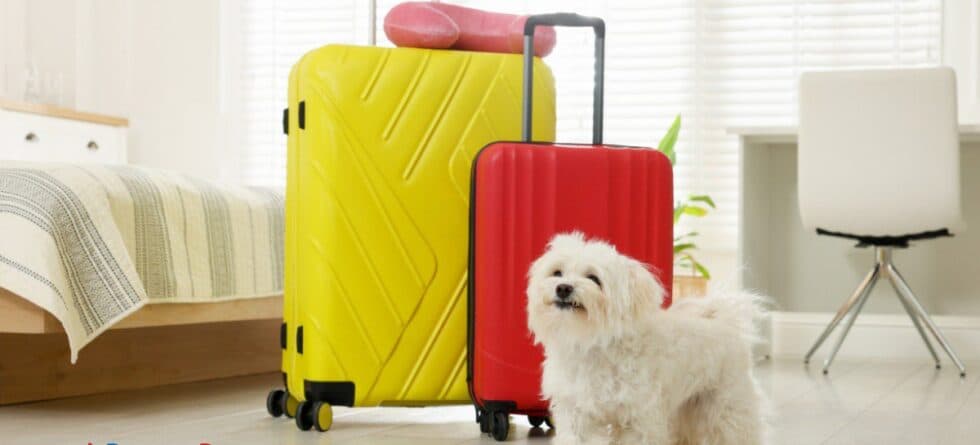
Planning your first big trip with a new furry family member? You are going to need more than just a leash and a little bit of hope. Whether you are picking up your new pup from the breeder for the very first time or heading out on a family road trip, travel is a massive event for a little dog. Traveling with puppies doesn’t have to be a source of stress. With the right preparation, it can be a bonding experience that sets the tone for a lifetime of adventure. Let us show you exactly what to pack, check, and prepare, before you even start the car.
Key Takeaways:
- Safest Car Travel: Always secure your puppy in a crash-tested crate or harness; never leave them loose on soft seats or with heads out the window.
- The "Social" Window: Start car training early (ideally before 14 weeks) with parked car sessions, short rides, treats, and praise.
- Essential Gear: You need a crate/harness, two leashes, familiar water, high-value snacks, poop bags, a comfort toy, a blanket, ID tags, wipes, and a first-aid kit.
- Vet Check: Schedule a visit 3-5 days before travel to check health, shots, and parasites, and to discuss motion sickness prevention.
- Motion Sickness: Watch for drooling, whining, or lethargy. Prevent it with airflow, a view of the horizon, and an empty stomach (fasting 2-3 hours prior).
- The Stop Rule: Plan for potty and activity stops every 2–3 hours.
- Cabin Air Travel: Most puppies must be 8+ weeks old; carriers usually must fit under the seat (soft-sided is best), and airline fees generally range from $95–$150.
- Post-Travel Health: Watch for red flags like a refusal to eat, diarrhea, or shaking after the trip ends.
Part 1: Preparation Before Traveling with a Puppy
Bringing home a new puppy means planning every single step, especially the trip home. The first drive sets the emotional tone for your puppy’s comfort with future travel. So, what should new owners focus on before hitting the road?
How Early to Introduce Your Puppy to Travel Experiences
You should start the process as early as the puppy's age and health allow. The absolute best time to introduce travel concepts is once the pup has settled with the breeder and before they turn 14 weeks old.
This period is known as the "critical socialization window." It is the time when new experiences, like the rumble of an engine, the vibration of the road, and the sights of a new environment, build confidence rather than fear. Traveling with puppies during this window requires patience; a calm pup is much more likely if you build positive memories now.
Start slow. You don’t need to drive across the country on day one. Sit with the puppy in a parked car in your driveway. Let them sniff the upholstery and the crate. Then, turn the car on and keep it still so they get used to the vibration. Follow up with short rides around the block. Use high-value treats and cheerful voices. Never rush. Over time, your puppy learns that car rides predict fun things, not scary things.
Essential Items to Pack
Scrambling for a poop bag on the side of a highway is no fun. Use a puppy arrival day checklist to get organized. Here is the ultimate packing list for traveling with puppies:
| Packing List Items | Uses |
|---|---|
| A Secured Crate or Dog Seat Barrier | Safety is non-negotiable. |
| Puppy Harness with a Seatbelt Clip | Never attach a seatbelt directly to a collar, as this can cause neck injury during a sudden stop. |
| Two Leashes | One is for use, and one is for backup (puppies love to chew through nylon when you aren’t looking). |
| Water and a Collapsible Bowl | Bring water from home if possible; changing water sources abruptly can upset a puppy’s stomach. |
| Dog Food and Treats | Keep their regular kibble on hand, plus a special snack for rewards. |
| Cleaning Supplies | Wipes, paper towels, and enzyme cleaners are a must for accidents. |
| Comfort Items | A toy from the breeder with the scent of their littermates is incredibly soothing. |
| Blanket or Small Bed | For warmth and padding. |
| Pet First-Aid Kit | Include styptic powder, bandages, and tweezers. |
| Pet ID Tag | Ensure it has your current contact info. |
Scheduling Pre-Travel Vet Visits Before Traveling with Puppies
If you are traveling across state lines or planning a long journey, visit your vet at least 3 to 5 days before the trip. Your puppy should be checked for general health and internal parasites and be caught up on age-appropriate vaccinations.
Ask the vet about diseases common in the region you are heading to. For instance, ticks may thrive in certain wooded zones, so specific preventive meds may be needed even if you don't use them at home. Furthermore, some vaccines take days or weeks to take full effect. It is better to schedule your travel after full protection kicks in.
This is also the time to ask about motion sickness options. A vet might suggest something gentle or herbal to take the edge off, but always follow their specific dosage guidelines. If you are picking up a puppy from a Puppy Dreams breeder, ensure you have all the medical records handed over upon arrival.
Part 2: Hitting the Road: The Safest Way to Travel with a Puppy in the Car
The car is the most common mode of transport for dogs, but it presents unique safety challenges.
The Gold Standard: Crates and Harnesses
To keep a puppy safe in the car, always use a crate or a crash-tested harness.
A crate is the safest option. It prevents sliding, jumping, or injury during sudden braking. Choose one with soft padding and enough room for the puppy to stand and turn, but not so much room that they slide around.
- Placement: Place the crate on a flat rear space, like the floor behind the front seats or the cargo area of an SUV.
- Warning: Never clip the crate loosely inside a trunk where it can tumble. Puppies are more comfortable on solid ground where the center of gravity is lower.
No crate? Use a dog harness. It should fit snugly and click into the seatbelt receiver: again, never the collar. A harness spreads the force of a sudden stop across the dog’s sturdy chest and shoulders rather than their fragile neck.
Gear That Keeps Your Puppy Comfortable
Beyond safety, you want comfort. Traveling with puppies can get hot and stuffy.
- Climate Control: Add shades to windows to reduce sun glare, which can overheat a black or dark-colored dog quickly.
- Airflow: Portable, battery-operated fans help if your car's A/C doesn’t reach the back seat effectively.
- The Setup: Clear the car of loose items that could shift and fall on the crate. Store heavier luggage low or in the trunk. If your puppy is buckled into the back seat, ensure the airbags on that side are disabled or that the puppy is far enough away from deployment zones.
What to Look Out for on Drive Days
Never leave your puppy alone in the car. This is a cardinal rule. Even in "cool" weather (60°F), the inside of a car can act like a greenhouse and reach dangerous temperatures within minutes. Furthermore, theft of purebred puppies from cars is an unfortunate reality.
Stop frequently. Young puppies have tiny bladders. Stop every 2 to 3 hours. Give your puppy time to drink, stretch, and relieve themselves. Always leash your pup before opening the car door, and check the surroundings for broken glass, other dogs, or traffic.
Part 3: Managing Motion Sickness and Anxiety
A long car trip with a puppy can go smoothly if you anticipate their physical needs. However, motion sickness is a very real hurdle when traveling with puppies.
When Traveling with Puppies, Recognize the Signs
Puppies don't always vomit immediately when they feel sick. Watch for the subtle signs:
- Excessive drooling
- Yawning repeatedly
- Whining or pacing
- Lethargy (a puppy that was active and suddenly goes "flat")
These signs suggest motion sickness rather than just anxiety.
Remedies and Prevention
- Empty Stomach: Try holding off on a full meal for 2 to 3 hours before travel. A full stomach combined with the swaying of a car is a recipe for disaster.
- Ventilation: Crack a window slightly to let fresh air in. The equalization of air pressure often helps.
- Visuals: If possible, position the crate so the puppy can see out the front window (the horizon) rather than the side windows, which cause a blurring effect that worsens nausea.
- Medication: If you know your puppy is prone to sickness, consult your vet about medications like Cerenia or even Dramamine (strictly under vet supervision).
Managing Anxiety When Traveling with Puppies
If your puppy is crying due to fear rather than nausea, comfort is key.
- Scent: A blanket that smells like their mother or the Puppy Dreams store/breeder where they came from can be magic.
- Heartbeat Toys: Toys that mimic a heartbeat (like a Snuggle Puppy) can trick the puppy’s brain into thinking they are cuddling with a littermate.
- Chews: Safe chew toys can help release tension, but avoid bones that could cause choking on a bumpy road.


Part 4: Traveling with Puppies by Plane
Flying adds a layer of complexity to traveling with puppies. Whether you are flying a puppy home or taking them on vacation, knowing the regulations is vital.
Minimum Legal Age for Flying
In the U.S., puppies generally must be at least 8 weeks old and weaned for at least 5 days to fly. However, many airlines set higher age requirements (10–12 weeks) or may refuse travel if a pup appears weak, sick, or too small. A health check by a vet is almost always required within 10 days of your flight to obtain a health certificate.
Choosing Cabin vs. Cargo
For a young puppy, cabin travel is highly recommended over cargo.
- Cabin: The puppy stays with you in a carrier under the seat in front of you. You can monitor their breathing, temperature, and stress levels.
- Cargo: This is the area where luggage goes. While pressurized and temperature-controlled, it is loud, dark, and lonely. It is generally better suited for larger, confident adult dogs.
Note on Breeds: Flat-faced (brachycephalic) breeds like French Bulldogs, Pugs, and Shih Tzus are often restricted from cargo flight entirely due to breathing risks. If you have a snub-nosed puppy from Puppy Dreams, plan for cabin travel only.
Choosing the Right Airline Carrier for Traveling with Puppies
For cabin travel, your carrier is your puppy's whole world for several hours.
- Dimensions: It must fit under the seat. Most airlines require soft-sided carriers (roughly 18" x 11" x 11", though this varies by aircraft).
- Features: Look for mesh panels for ventilation (crucial), a waterproof bottom (accidents happen), and a safety clip inside to attach to the harness.
- Training: Do not wait until the airport to put the puppy in the carrier. Buy it weeks in advance. Put treats inside, let them sleep in it at home, and carry them around the house in it so the motion feels familiar.
Navigating Security (TSA)
The scariest part for many owners is the security checkpoint.
- Do not put the puppy through the X-ray machine.
- Remove the puppy from the carrier.
- Send the empty carrier through the belt scanner.
- Carry your puppy in your arms through the metal detector.
- Check for "Pet Relief Areas" in the terminal before you board, but be wary; these areas can be germ hotspots. If your puppy isn't fully vaccinated, consider using a pee pad on the floor of a handicap stall in the human restroom instead.
Part 5: International Travel Considerations
If your definition of traveling with puppies involves crossing borders, the paperwork multiplies.
International travel usually requires:
- International Health Certificate: Endorsed by the USDA (if leaving the US).
- Rabies Vaccination: Must be current. Some countries require a 21-30 day waiting period after the shot before entry.
- Microchip: ISO-compliant 15-digit microchips are the standard worldwide.
- Titer Tests: Some rabies-free countries (like Australia or Japan) require blood tests months in advance to prove immunity.
Always check the destination country's consulate page or ask the Puppy Dreams team for guidance if you are importing a puppy from abroad.
Part 6: The Arrival and Post-Travel Care
You have arrived! The engine is off, and you are at your destination. But the work isn't quite done. Traveling with puppies is physically and mentally exhausting for the dog.
Watch for "Red Flags"
It is normal for a puppy to sleep deeply after a trip. However, keep an eye out for:
- Refusal to eat or drink for more than 12 hours.
- Persistent diarrhea (stress colitis is common, but bloody stool is an emergency).
- Shaking or hiding that doesn't improve with a quiet environment.
If these persist, see a vet.
After Traveling with Puppies, Re-Establish Routine
Immediately upon arrival, take the puppy to their designated potty spot. Praise them heavily when they go. This helps reset their house-training map. Set up their crate and water bowl immediately to give them a "safe base" in the new location.
Preparation is Love When Traveling with Puppies
Traveling with puppies is a big responsibility, but it is also the start of your life together. Good planning not only helps the puppy, but helps you feel ready, too.
Let your puppy walk before the drive to burn energy. Double-check your travel setup. Take those few short practice rides ahead of the big one. That is how the first trip feels relaxed and familiar rather than chaotic.
Whether you are looking for the perfect travel-sized companion or need advice on the best breeds for an adventurous lifestyle, we are here to help. At Puppy Dreams, we understand that travel is an important part of life, and integrating your puppy can make it easier for years to come.
Ready to find your new best friend? Take a look at the breeds at Puppy Dreams today to meet our available puppies and get expert advice on bringing them home safely!