
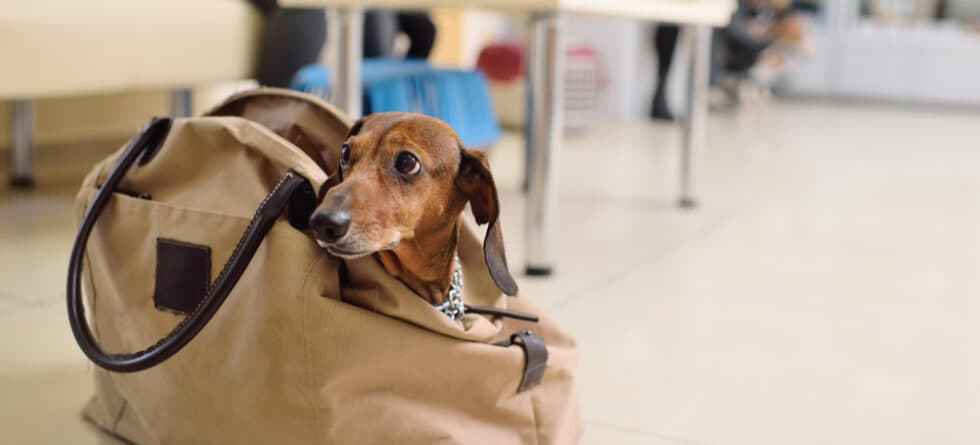
Dachshunds can be very brave in a lot of situations. That does not mean they are never scared. In fact, dachshunds can be sensitive; they can be alert. They can be quick to react to things that feel strange or overwhelming. If you are wondering what dachshunds are afraid of, the answer can include noises, unfamiliar people, sudden movement, being left alone, rough handling, and situations that make them feel unsafe or out of control.
Every dachshund has their own personality, and that is what makes them so special. Some dachshunds are bold and curious, while others are more cautious and easily startled. Early socialization, life experiences, and the dachshund’s natural temperament all play a role in what they’re afraid of. A dachshund that feels secure and well supported may handle stress better, while a dachshund that feels unsure may react with barking, hiding, shaking, or trying to escape.
Common things dachshunds are afraid of include
Loud noises
Many dachshunds are afraid of sounds, like thunder, fireworks, shouting, vacuum cleaners, and even dropped objects. These things can make them nervous.
Because dachshunds are so alert, they often notice sound changes quickly. May react fast. Some dachshunds bark at the noise while others run to hide under furniture or stay close to their owner.
Loud noise fear can become worse if the dachshund has had an experience in the past. This is why it helps to stay calm and give your dachshund a safe place during stressful events.
Unfamiliar people & places
Some dachshunds are cautious around people or in unfamiliar places. They may bark at visitors back from strangers or seem tense in busy environments. This does not always mean aggression; it often means the dachshund feels unsure and is trying to protect itself or its home.
Because dachshunds are small and very aware of their surroundings, they may feel vulnerable when something unfamiliar appears quickly. Gentle introductions and patient social experiences can help build confidence over time.
Being left alone
Many dachshunds form bonds with their owners, so some become anxious when left alone. A dachshund that is afraid of being alone may whine, bark, scratch at doors, pace, or act restless when the owner leaves. In some cases, the dachshund may chew things. Have accidents indoors because of stress.
This fear can be stronger in dachshunds that are very attached to one person or that have not learned how to relax alone in a calm way.
Other things that can scare dachshunds
Rough handling
Dachshunds can also be afraid of sudden touching, grabbing, or being handled in a way that feels uncomfortable. Because they have backs and short legs, their bodies are more sensitive than many people realize. A dachshund that is picked up carelessly or handled roughly may become fearful around children or unfamiliar people.
Gentle handling matters a lot with this breed. Trust grows when a dachshund feels safe during care.
Quick movement & sudden activity
Quick movement can also scare some dachshunds. Running children, larger dogs, loud play, or a sudden approach can make them feel uneasy. Even though they can be dogs, many dachshunds prefer situations where they can see what is happening and feel more in control.
A dachshund that seems snappy or barky may actually be scared rather than mean. Looking at the situation closely can help you understand what the dachshund is feeling.
How fear can look in a dachshund
Fear in a dachshund may show up as trembling, hiding, barking, backing away, flattened ears, a tucked tail, lip-licking, yawning, or refusing to move. Some dachshunds become very quiet, while others become louder and more reactive. Barking is often mistaken for confidence. In many dachshunds, it can be a sign of worry.
Learning your dachshund’s body language helps you respond earlier before fear grows stronger.
A fearful dachshund may also stop eating, avoid rooms, resist walks, or cling more than usual. If the fear appears suddenly and seems unusual, it is worth paying attention. Pain or illness can sometimes make a dachshund seem fearful, too.
How to help a fearful dachshund
The best way to help a dachshund is with patience, routine, and positive experiences. Do not force the dachshund into situations. Let your dachshund observe at a distance; reward calm behavior and keep experiences gentle and predictable.
Short training sessions, praise, food rewards, and quiet encouragement can help your dachshund feel more secure.
Many dachshunds feel better when they have a place to retreat. A cozy crate, bed, quiet corner, or covered resting area can help during stressful times. This gives the dachshund a place to relax from feeling trapped or overwhelmed.
If fear is severe, ongoing, or getting worse, a veterinarian or qualified dog behavior professional can help rule out health problems and create a support plan.
What owners should remember
So what are dachshunds afraid of? Many are afraid of noises, strangers, being left alone, rough handling, and sudden changes around them. Still, not every dachshund fears those things. Much depends on the dachshund’s personality, history, and sense of safety.
The helpful approach is to notice what triggers your dachshund, respect those feelings, and build confidence slowly. With handling, steady routine, and gentle support, many dachshunds can become much more relaxed and secure in daily life.