
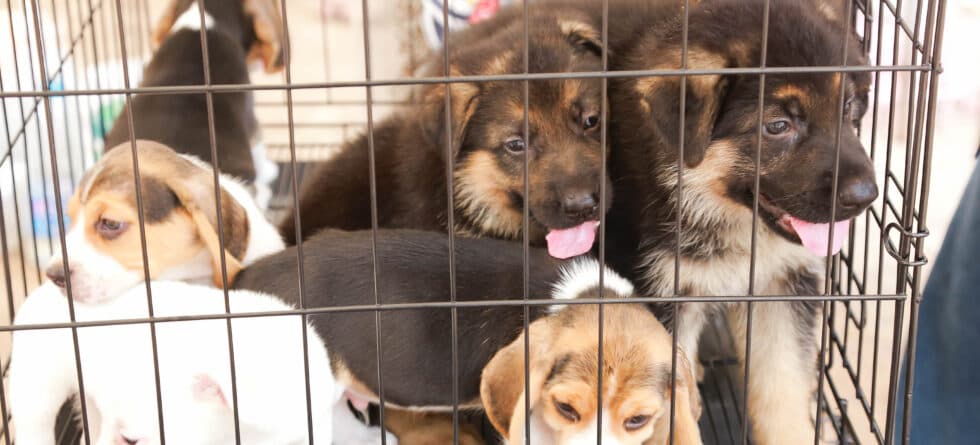
An unethical dog breeder is someone who prioritizes profit over the well-being of the animals, engaging in practices that harm the dogs or contribute to broader issues in animal welfare.
Here are key signs of an unethical breeder…
Lack of Proper Health Testing
- Ignoring health screenings for genetic conditions like hip dysplasia, heart issues, or eye problems in breeding dogs. Unethical breeders may not conduct the necessary tests to ensure the health of the puppies, leading to inherited health problems.
Poor Living Conditions
- Keeping dogs in unsanitary, cramped, or unsafe environments with inadequate shelter, food, or exercise. Puppies may be raised in cages without proper socialization or access to human interaction.
High Volume Breeding
- Overbreeding or continuously breeding the same dogs without giving them adequate time to recover. An unethical breeder might prioritize producing as many litters as possible for profit, ignoring the needs and welfare of the mother dog.
Selling Puppies Too Young
- Releasing puppies before 8 weeks old, which is too young for proper weaning and socialization. Puppies taken too early may face developmental and behavioral issues.
Failure to Provide Documentation
- Refusing to show documentation for the dog’s health, vaccinations, and pedigree. Ethical breeders are transparent about their breeding practices, health history, and any certifications or testing done on the breeding dogs.
Selling Through Pet Stores or Online Only
- Unethical breeders often sell through pet stores or online marketplaces without allowing potential buyers to visit the breeding facility or meet the puppies’ parents. This lack of transparency is a red flag.
Focus on Profit Over Animal Welfare
- Breeding for profit without regard for the dogs’ well-being, often at the expense of proper care, socialization, and health testing. The focus is on making money rather than improving the breed or ensuring healthy, happy puppies.
Failure to Socialize Puppies
- Puppies are often kept in isolation or poor conditions without exposure to various people, environments, or experiences, leading to poorly socialized dogs that may develop behavioral issues like fear or aggression.
Misleading or False Claims
- Making false claims about the breed’s health, temperament, or origin or not providing complete information about the puppy’s background. Unethical breeders may also provide fake or misleading health guarantees.
Unwillingness to Take Back or Support Puppies
- Unethical breeders may refuse to take responsibility for the puppies they sell if there are health issues or behavioral problems later on, leaving buyers with no recourse if something goes wrong.
An unethical breeder engages in poor breeding practices that prioritize profit over animal welfare, resulting in unsanitary conditions, lack of health testing, and failure to socialize puppies. They often sell puppies too young, avoid transparency, and fail to provide proper care or support for the dogs. Always look for breeders who are transparent, responsible, and committed to the well-being of the dogs.