
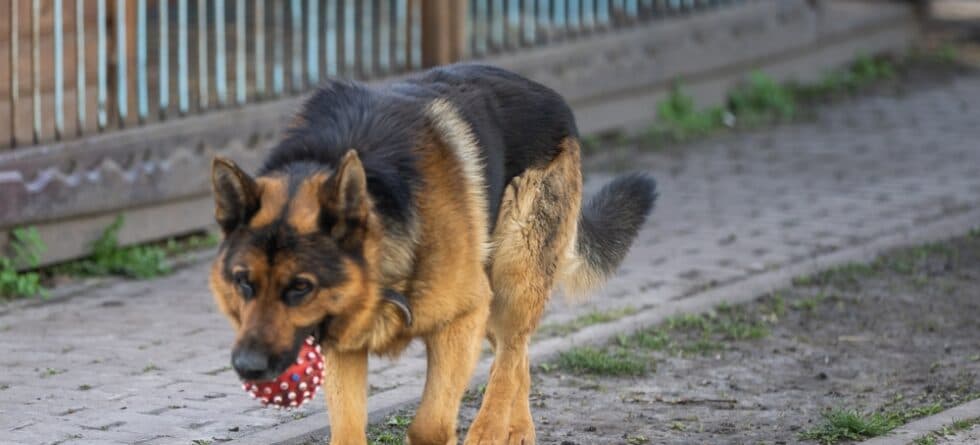
German Shepherds need purpose, structure, and daily outlets for both body and mind. They are working dogs at heart. If they do not get enough activity, training, and connection, they often become anxious, loud, or destructive. When their core needs are met, they are calm, loyal, and incredibly steady companions.
Daily physical exercise
This is the foundation for everything else. A German Shepherd that cannot burn energy will struggle to settle or listen.
- Adults – usually need about 60 to 90 minutes of movement each day.
- Best types – brisk walks, hiking, fetch, structured tug, swimming, or safe running in cool weather.
- Split sessions – morning and evening exercise work better than one long block.
Mental stimulation & problem-solving
German Shepherds are thinkers. Their brains need work just as much as their legs do.
- Training every day – even 10 to 15 minutes of obedience or tricks keeps them balanced.
- Scent and search games – hide treats or toys and let them “work” to find them.
- Puzzle feeding – slows meals and burns mental energy.
Clear leadership & routine
They relax when life is predictable. Without structure, they try to manage things themselves.
- Consistent rules – same expectations every day.
- Regular schedule – fixed times for walks, meals, rest, and play.
- Boundaries – teaching calm greetings, waiting at doors, and settling on cue.
Early & ongoing socialization
This breed can be naturally cautious. Socialization shapes confidence and prevents over-guarding.
- Positive exposure to people, dogs, and environments while young.
- Calm practice with sounds, surfaces, and new places.
- Reward relaxed behavior so new things feel safe.
Close companionship
German Shepherds do not thrive as backyard or “mostly alone” dogs. They need a connection.
- Time near their people every day.
- Inclusion in family routines and activities.
- Calm affection and interaction, not isolation.
Health support & weight control
Their body are powerful but can be vulnerable to joint issues if poorly managed.
- Lean body condition – extra weight increases hip and elbow stress.
- Quality diet – supports muscles, joints, and energy.
- Regular vet care – catching joint or skin issues early helps a lot.
- Safe exercise for puppies – avoid long forced runs or constant jumping while growing.
German Shepherds need daily exercise, mental work, clear structure, socialization, and close companionship more than anything. Give them those core needs consistently, and they become steady, loyal dogs who are a joy to live with. Miss those needs, and their intelligence and energy will spill out in ways that feel difficult at home.