
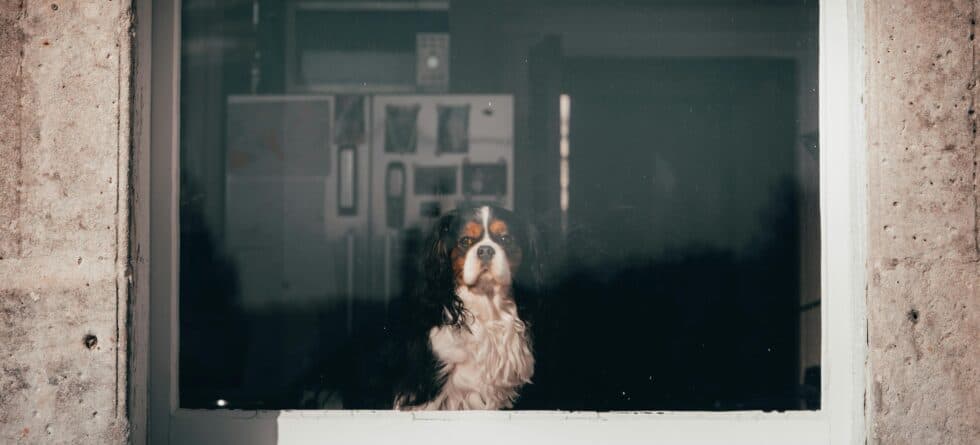
Some dog breeds are better suited for being left alone than others, primarily due to their temperament, independence, and energy levels.
Here’s a list of dog breeds that typically do well when left alone for moderate periods…
Dog Breeds That Can Be Left Alone
Basset Hound
- Temperament – Laid-back and calm.
- Independence – They enjoy lounging around and are not overly demanding, making them relatively independent.
Shiba Inu
- Temperament – Independent and confident.
- Independence – Shibas are known for their strong personalities and can entertain themselves for a while.
Chow Chow
- Temperament – Aloof and dignified.
- Independence – Chow Chows can be independent and often don’t crave constant attention.
Greyhound
- Temperament – Gentle and affectionate.
- Independence – Despite their racing background, Greyhounds are quite lazy at home and can be left alone for moderate periods.
Mastiff
- Temperament – Calm and protective.
- Independence – Mastiffs are low-energy and prefer lounging, which allows them to manage well when alone.
Boston Terrier
- Temperament – Friendly and adaptable.
- Independence – They can handle alone time and are generally content to nap while you’re away.
French Bulldog
- Temperament – Easygoing and affectionate.
- Independence – French Bulldogs are not overly energetic and can adapt to being alone for a few hours.
Cocker Spaniel
- Temperament – Gentle and friendly.
- Independence – They enjoy being around people but can adapt to being left alone if properly trained.
Bull Terrier
- Temperament – Playful and affectionate.
- Independence – While they enjoy companionship, they can also entertain themselves when left alone for a few hours.
Pug
- Temperament – Sociable and charming.
- Independence – Pugs can be independent enough to handle alone time but still appreciate companionship.
Considerations for Leaving Dogs Alone
Duration Matters
- Most dogs can be left alone for about 4 to 6 hours at a time, depending on the individual dog’s temperament and training. Some breeds might be okay for longer periods, while others may need more frequent breaks.
Age and Training
- Puppies and young dogs typically require more attention and cannot be left alone as long as adult dogs.
- Proper training and socialization can help a dog feel more comfortable being alone.
Provide Mental Stimulation
- Leave toys, puzzles, or treats that can keep them occupied while you’re away. Consider interactive toys that dispense treats to engage them mentally.
Gradual Acclimatization
- If your dog isn’t used to being alone, gradually increase the time you leave them alone to help them adjust. Start with short periods and build up as they become more comfortable.
Consider Their Needs
- Each dog is unique, and factors like personality, health, and past experiences can influence how well they handle being alone. Always monitor your dog’s behavior and adjust your routines as necessary.
While some breeds are generally more independent and can handle being left alone, individual temperament and training are crucial factors. Regardless of breed, it’s important to provide mental stimulation, gradually acclimate your dog to being alone, and ensure they have a comfortable environment when you’re not home.