
What Happens If A German Shepherd Bites?
By Puppy Dreams Editorial Team · November 3, 2025
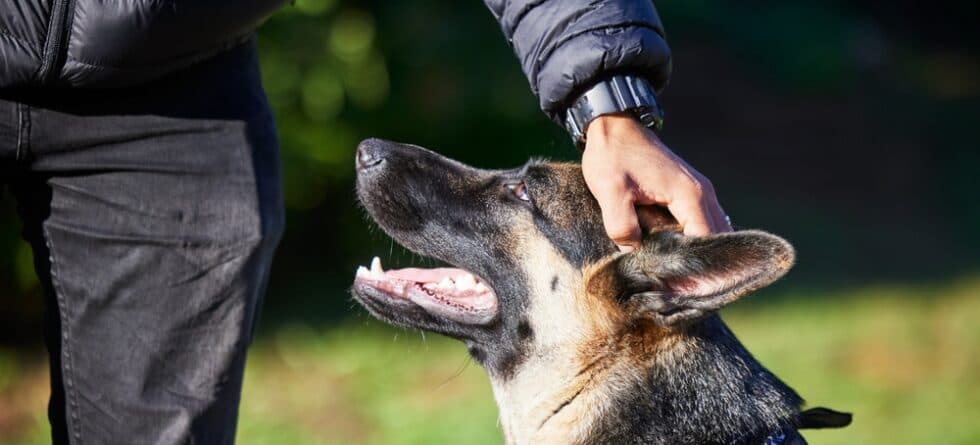
If a German Shepherd bites, the outcome depends on the situation, the severity of the bite, and why it happened. Some bites are minor and related to fear or stress, while others can cause injury and signal deeper behavioral concerns that need attention.
Why A German Shepherd Might Bite
German Shepherds rarely bite without a reason. Biting is usually a response to feeling threatened, overwhelmed, or confused rather than aggression.
Common triggers include
- Fear or anxiety
- Pain or discomfort
- Protecting food, toys, or space
- Lack of socialization
- High stress or overstimulation
Understanding the trigger is key to preventing future bites.
Types Of Bites & What They Mean
Not all bites are the same. A quick nip with little pressure often serves as a warning. A harder bite that breaks skin suggests the dog felt unable to escape the situation.
Repeated or intense biting behavior signals that the dog is struggling to cope and needs structured support.
Immediate Effects Of A Bite
Even a minor bite can cause pain, bruising, or broken skin. Stronger bites may result in deeper wounds that require medical attention.
From the dog’s perspective, biting often increases stress afterward. Many dogs show signs of anxiety or confusion following the incident.
How Biting Affects The Dog Long Term
A bite can change how a German Shepherd is viewed and handled. Increased tension, fear, or inconsistent reactions from people can worsen behavior if not addressed properly.
Without guidance, biting can become a learned response. With calm training and routine, many dogs improve significantly.
What Owners Should Do After A Bite
Staying calm is essential. Yelling or punishment increases fear and can make future incidents more likely.
Helpful steps include
- Separate the dog from the situation safely
- Observe what triggered the behavior
- Reinforce calm behavior later
- Adjust routines or environments to reduce stress
Preventing Future Bites
Prevention focuses on confidence, structure, and communication. German Shepherds respond well to clear guidance and positive training.
- Provide daily exercise and mental stimulation
- Practice obedience and impulse control
- Socialize gradually and positively
- Respect signs of discomfort
When Extra Support Is Needed
If biting behavior continues or escalates, additional guidance may be necessary. Persistent biting often reflects fear or unmet needs rather than aggression.
Understanding & Supporting Your German Shepherd
German Shepherds are loyal and protective dogs that rely on their owners for direction. When biting occurs, it is a signal to reassess the environment, training, and emotional needs. With patience and consistency, many dogs regain trust and balance.