
Back to Blog
What Is A Good Daily Schedule For A German Shepherd?
By Puppy Dreams Editorial Team · March 6, 2025
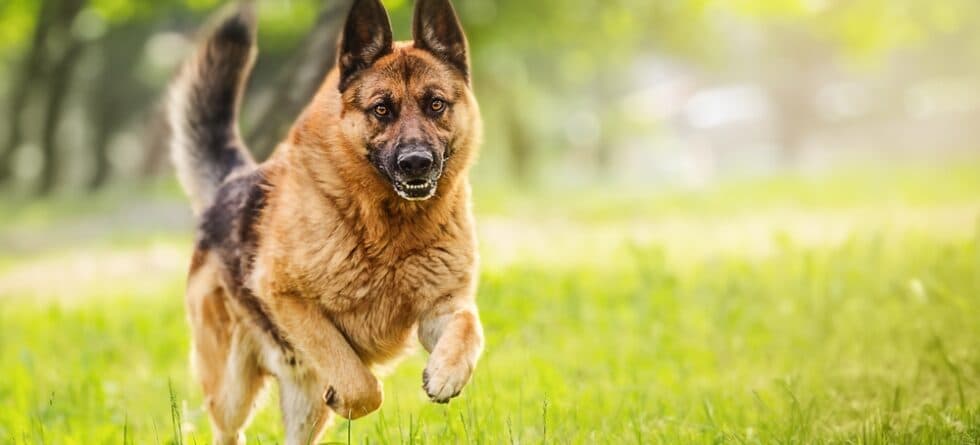
A good daily schedule for a German Shepherd balances exercise, training, mental work, rest, and predictable routines. This breed is smart, athletic, and happiest when they know what happens next. The outline below fits most healthy adult dogs, with simple tweaks for puppies or seniors.
Sample daily schedule for an adult German Shepherd
Morning – start the day with movement and focus
- 6 30 to 7 30 am – potty break and brisk walk
- 20 to 40 minutes, depending on fitness.
- Include a few minutes of sniffing and a short heel practice.
- 7 30 to 8 00 am – breakfast
- Feed after the walk, then keep things calm.
- 8 00 to 9 30 am – rest time
- Quiet settling helps digestion.
Midday – light activity and brain work
- 12 00 to 12 30 pm – potty break and short walk
- 10 to 20 minutes at an easy pace.
- 12 30 to 1 00 pm – mental enrichment
- Puzzle feeder, scatter feeding, or a quick scent game.
- Short training refresher, 5 to 10 minutes.
- 1 00 to 4 30 pm – rest and chew time
- German Shepherds need real downtime to recharge.
Evening – main exercise block and family time
- 5 00 to 6 00 pm – main workout
- 30 to 60 minutes with variety.
- Options include a longer walk, fetch, structured tug, trail time, or training at a park.
- 6 00 to 6 30 pm – cool down and calm transition
- Water, light sniffing, then settle.
- 6 30 to 7 00 pm – dinner
- 7 00 to 8 30 pm – rest with low-key engagement
- Chew, lick mat, or relaxed couch time.
- 8 30 to 9 00 pm – last potty break
- 9 00 to 10 00 pm – bedtime routine
- Quiet house, same sleep spot nightly.
Why this schedule works for German Shepherds
- Two exercise peaks – morning and evening match their natural energy rhythm.
- Daily training – keeps their minds sharp and behavior steady.
- Sniffing and puzzles – reduces boredom and anxiety.
- Planned rest – prevents overstimulation and joint strain.
Adjustments for puppies
Puppies need more frequent breaks and shorter sessions.
- 3 to 4 meals a day until about 6 months.
- Short walks and play in small blocks, no long forced runs.
- More naps and crate breaks between activities.
- Training in tiny sessions, 2 to 5 minutes at a time.
Adjustments for seniors
Older dogs still benefit from structure, just with softer pacing.
- Keep two walks a day, but shorten the length as needed.
- Add gentle stretching or slow sniff walks.
- Increase rest time if stiffness shows after play.