
What Is The Rarest Poodle Color?
Understanding Poodle Coat Colors
Poodles come in many beautiful colors, but some shades appear far less often due to genetics and selective breeding. The rarest Poodle colors usually result from uncommon gene combinations that make them difficult to produce consistently. While all colors can be healthy and purebred, rarity depends on how often certain traits appear in breeding lines.
Among all recognized shades, the rarest Poodle color is widely considered to be apricot. Other uncommon colors include red, cafe au lait, sable, and parti variations. These colors may also differ in rarity based on the size type, toy, miniature, or standard.
Apricot Poodles
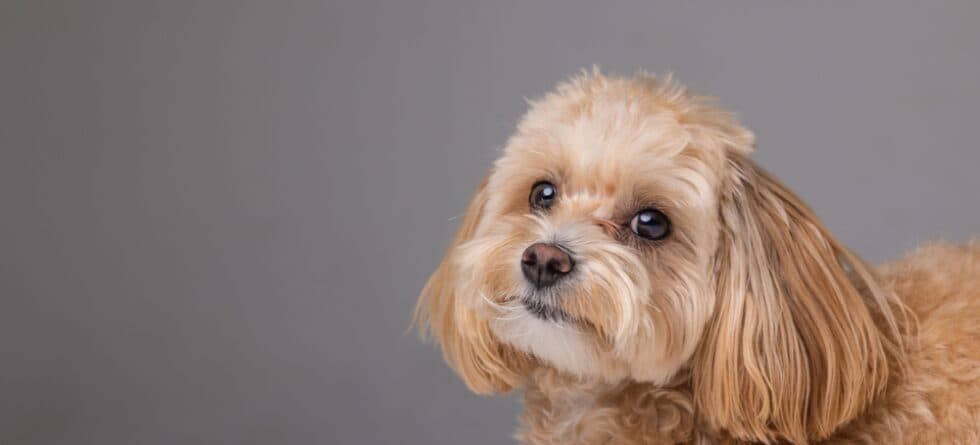
Apricot is often considered the rarest Poodle color. This soft, warm shade comes from a recessive gene that is less common in breeding programs.
- Light peach or warm cream tone
- Often darkens or lightens with age
- Requires two recessive color genes
Because the gene combination is uncommon, true apricot Poodles are highly sought after and appear in limited numbers.
Red Poodles
Although more common than apricot, red Poodles are still rare. This color developed more recently and remains difficult to maintain through breeding.
- Deep, rich red shade
- It can fade over time due to genetics
- Less common in standard sizes
Red Poodles require specific lineage to consistently produce the color, adding to their rarity.
Cafe Au Lait Poodles
This unique color is a diluted shade of brown that is uncommon in puppies. Cafe au lait commonly appears in Poodles as they mature rather than at birth.
- Light, creamy coffee color
- Often confused with silver beige
- Not widely produced due to dilution genetics
Because the color emerges gradually, true cafe au lait Poodles are harder to identify and breed intentionally.
Sable Poodles
Sable Poodles have hair tipped in black, giving a shaded appearance that changes with age. This pattern is rare because it is not common in most Poodle lines.
- Two-tone shading on individual hairs
- Often lightens significantly as the dog grows
- Not a widespread trait in purebred programs
The unpredictable nature of sable coloring adds to its rarity.
Parti, Phantom, and Merle Variations
Multi colored Poodles are rare because many breeders historically focused on solid colors. Some patterns are not accepted by all kennel organizations, which further reduces their prevalence.
Parti Poodles
- Two-color pattern with white patches
- Rare due to limited breeding lines
Phantom Poodles
- Tan or cream markings similar to Doberman patterns
- Requires precise gene expression
Merle Poodles
- Mottled or patchy coat pattern
- Extremely rare and controversial due to genetic concerns
These patterns are striking but harder to breed consistently, making them less common in the overall Poodle population.
Why Some Colors Are Rare
Rarity depends on some factors beyond simple appearance.
- Recessive genes that require specific pairing
- Historical breeding focuses on solid colors like black or white
- Limited lines that carry unique patterns or shades
- Color fading or changes with age that complicate identification
Because many rare shades require careful genetic pairing, they occur less frequently and can be more expensive.
The rarest Poodle color is widely considered to be apricot, though other uncommon shades include red, cafe au lait, sable, and multi colored patterns such as parti and phantom. These colors are rare due to genetics, historical breeding trends, and difficulty producing consistent shades. No matter the color, Poodles are intelligent, loving, and versatile dogs that shine in any coat.