
Which Breed Of Dog Has The Worst Separation Anxiety?
By Puppy Dreams Editorial Team · August 8, 2025
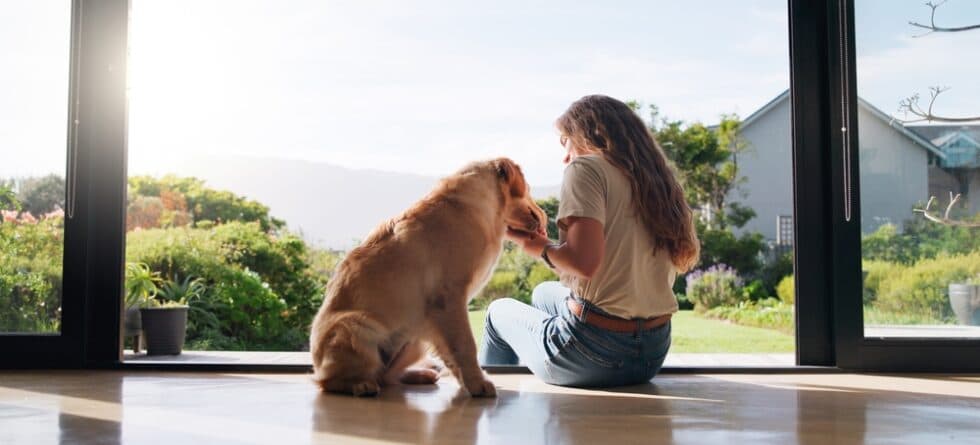
Separation anxiety differs from dog to dog, but certain breeds are more prone to it because of their temperament, attachment style, or working background. Dogs bred for companionship or close human interaction often struggle the most when left alone. Individual personality, training, and daily structure also play major roles, but breed tendencies can give helpful insight.
Breeds Most Prone to Severe Separation Anxiety
While any dog can develop separation anxiety, the following breeds are commonly reported as the most sensitive to being left alone.
Labrador Retriever
Labs are incredibly people-oriented and form deep bonds with their families. Their strong desire for human interaction can make long periods of alone time difficult.
- Very social and affectionate
- Prone to boredom without stimulation
- High energy increases frustration when left alone
Chihuahua
Chihuahuas attach strongly to one person and can become distressed when separated. Their small size and sensitive nature make them more likely to vocalize or panic.
- Highly bonded to their owners
- Can become fearful when left alone
- Often anxious in new environments
Border Collie
Border Collies are extremely intelligent working dogs that need constant mental activity. Without engagement, they can become restless and anxious quickly.
- High mental stimulation needs
- Strong work drive makes boredom stressful
- Often overthink when left alone
German Shepherd
German Shepherds bond closely with their families and are protective by nature. Separation can feel unsettling, especially without a clear routine.
- Loyal and family-focused
- Easily stressed without structure
- Very aware of their surroundings
Italian Greyhound
This toy breed craves companionship and thrives on constant close contact with humans. They often struggle with even short absences.
- Very sensitive and gentle
- Prefer being physically close to their owners
- Become nervous when routines change
Other Breeds Known for Severe Separation Anxiety
- Vizsla
- Bichon Frise
- Cavalier King Charles Spaniel
- Poodle (all sizes)
- Australian Shepherd
These breeds often show clingy behavior and distress when left alone without training.
Why These Breeds Are More Prone
Dogs develop separation anxiety for many reasons, but breed characteristics often play a part.
- Strong desire for human companionship
- High intelligence or working backgrounds
- Sensitivity to changes in routine or environment
- Protective instincts that activate when alone
Understanding these traits helps you plan proper training and support.
Signs of Separation Anxiety
Most dogs show clear behavioral signs when separation anxiety is present.
- Excessive barking or crying
- Destructive chewing or digging
- Pacing or restlessness
- Accidents in the house
- Overexcitement when the owner returns
These signs usually appear only when the dog is left alone.
How to Help Dogs With Separation Anxiety
Supportive routines can reduce anxiety and teach independence.
- Start with short absences and gradually increase the time away
- Provide exercise before leaving home
- Use puzzle toys or interactive feeders
- Keep departures and greetings calm
- Use crate training if the dog feels safe in a crate
Consistent practice and patience help your dog become more confident about being alone.
No single breed universally has the worst separation anxiety, but Labradors, Chihuahuas, Italian Greyhounds, Border Collies, and German Shepherds are among the most commonly affected. These dogs crave companionship and often struggle with loneliness. With proper training, structure, and mental stimulation, most dogs can learn to stay calm and secure when left alone.