
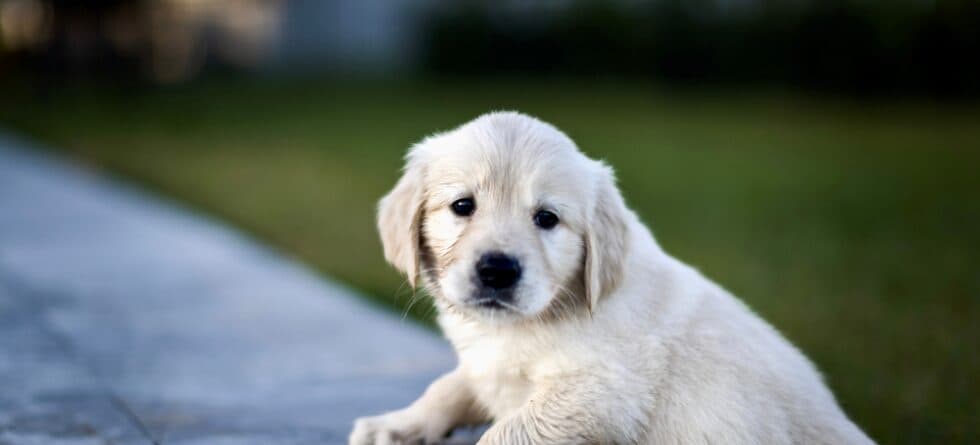
Golden Retrievers usually love walks, so refusal often means something is off. Sometimes it is simple stubbornness or distraction. Other times it signals pain, fear, or a routine issue. The fastest way to fix it is to figure out which type of refusal you are seeing.
Common reasons a Golden Retriever refuses to walk
Pain or physical discomfort
This is the most important category to rule out, especially if the refusal is sudden.
- Joint soreness – hips, elbows, knees, or early arthritis can make walking hurt.
- Paw issues – cracked pads, foxtails, thorns, hot pavement burns, or a broken nail.
- Back or muscle strain – after rough play, slipping, or jumping.
- Ear infections – can affect balance and make you feel bad.
If your Golden limps, lagging starts quickly, or they refuse even short potty walks, book a vet check.
Heat & weather stress
Goldens have thick double coats. They overheat faster than people realize.
- Hot sidewalks can hurt paws.
- High humidity makes panting less effective.
- Some dogs also dislike heavy rain or strong wind.
Try cooler times of day, shaded routes, and shorter walks in warm weather.
Fear or negative experiences
One scary event can create a walk refusal.
- Loud noises like fireworks, trucks, or barking dogs.
- Being startled by another dog or person.
- Slipping on a surface like metal grates or slick stairs.
These dogs often freeze, tuck their tails, or try to turn back home.
Leash or gear discomfort
Sometimes the walk is fine, but the equipment is not.
- Collar rubbing or choking.
- Harness pinching shoulders or armpits.
- Leash tension that makes them feel trapped.
Switching to a well-fitted harness and keeping the leash loose often helps.
Overstimulation or distraction
Young Goldens, especially, can get overwhelmed by the outside world.
- They stop to sniff everything and then refuse to move.
- They plant when they see dogs, people, or wildlife.
This looks like stubbornness, but it is really a focus issue.
Undertraining or testing boundaries
Some Goldens learn that stopping makes the walk end or gets attention.
- They sit or flop and wait you out.
- They refuse most when heading away from home.
Consistency and rewards for moving forward fix this over time.
Low energy from routine or diet issues
If your Golden is tired all day, walks may feel too much.
- Too little sleep or too much hectic activity.
- Poor diet, skipped meals, or sudden food changes.
- Weight gain makes moving harder.
How to tell what type of refusal it is
- Sudden refusal with limping or stiffness – likely pain.
- Refusal only in heat or sun – weather stress.
- Refusal after a scary event – fear pattern.
- Refusal only with certain gear – equipment issue.
- Refusal mostly when bored or heading away from home – training or motivation.
What you can do right away
- Check paws, nails, and legs for soreness or cuts.
- Try a shorter walk with lots of praise and treats.
- Walk at cooler times and avoid hot pavement.
- Switch to a comfortable harness if the collar seems stressful.
- Use high-value treats to reward a few steps at a time if they are distracted or testing limits.
When to see a vet
Get professional help if you notice any of these.
- Refusal starts suddenly and lasts more than a day or two.
- Limping, stiffness, or yelping.
- Heavy panting or collapsing on mild walks.
- Refusal paired with loss of appetite or sadness.
Goldens refuse to walk most often because of pain, heat stress, fear, uncomfortable gear, overstimulation, or learned stubbornness. Look for patterns, check for discomfort first, and adjust the walk setup to fit what your dog is telling you. If refusal is sudden or comes with signs of pain, a vet visit is the safest next move.