
Why Do Poodles Not Like Their Paws Touched?
By Puppy Dreams Editorial Team · June 4, 2025
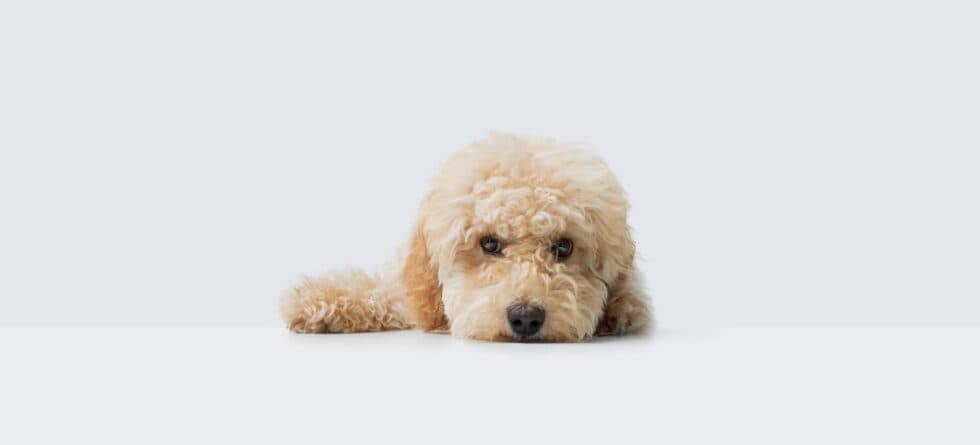
Many Poodles dislike having their paws touched, and it is more common in this breed than people expect. The reason is rarely one single thing. Paw sensitivity can come from biology, bad experiences, grooming discomfort, or simple personality. Poodles are alert, intelligent dogs with fine-tuned body awareness, so they notice tiny sensations and react quickly. The good news is that most Poodles can learn to tolerate and even accept paw handling with gentle practice.
Paws are naturally sensitive body parts
A dog’s paws are packed with nerve endings. They feel texture, pressure, temperature, and vibration through their pads. Poodles tend to be especially aware of their bodies, so paw contact can feel intense to them.
- Pads protect bones and tendons, so dogs guard them instinctively.
- Even light squeezing can feel strange or threatening.
- Some Poodles pull away because it is ticklish or overstimulating.
Past discomfort from grooming or nail trims
Poodles need frequent grooming. If a nail trim went too short once, or if someone held the paw too firmly, your dog may remember that moment and expect it again. Poodles learn fast, so one negative event can create a lasting habit of resistance.
- Quicked nails cause sharp pain and can make them fearful of future trims.
- Groomers sometimes have to hold paws tightly, which can feel scary.
- Clippers or grinders make noise and vibration that some dogs hate.
Even if the event happened months ago, your Poodle may still connect paw handling with discomfort.
Hidden pain or irritation
If your Poodle suddenly starts refusing paw touch, pain is a top possibility. Dogs often do not show pain clearly, so paw avoidance can be an early clue.
- Cracked or dry pads that sting when pressed.
- Foxtails, thorns, or small cuts between toes.
- Ingrown nails or a nail bed infection.
- Joint soreness in wrists or toes, especially in older dogs.
- Allergies that make paws itchy or inflamed.
Poodles with allergies often lick their feet a lot. Those paws can feel raw and tender, so touch becomes unpleasant.
Poodles like control & predictability
Poodles are smart and a bit particular. Many dislike surprise touch. If a hand comes down quickly, they may pull away to stay in control of the interaction.
- They prefer to see what is happening before it happens.
- Sudden paw grabs can feel like restraint.
- Some Poodles dislike being handled when they are tired or resting.
This is not defiance. It is a communication signal that they want slower, clearer handling.
Lack of early handling practice
Puppies that are gently handled from a young age usually accept paw touch better. If your Poodle did not get much early paw handling, they may view it as strange or unsafe as an adult.
- Some breeders or early homes handle puppies lightly but skip paws.
- Rescue Poodles may have missed that socialization window.
Without early exposure, paw touch feels unfamiliar, so the dog avoids it.
How to help your Poodle feel better about paw touch
You can change this habit, but the key is going slow and rewarding calmness.
- Start when your dog is relaxed, not excited or defensive.
- Touch the shoulder or leg first, then move toward the paw over days.
- Lightly tap a toe for one second, reward, then stop.
- Repeat short sessions daily, building time slowly.
- Pair paw touch with treats so it predicts good things.
- If nail trims are the trigger, let your dog see the tool, reward, and end the session before trimming at first.
If your Poodle shows strong fear or pain signs, get a vet check before training harder. Training will not fix soreness, and pushing through pain makes avoidance worse.
Poodles often dislike paw touch because paws are highly sensitive, grooming may have caused discomfort, or there is hidden irritation or pain. Their intelligent, control-loving nature also makes them wary of sudden handling. With calm, reward-based practice and attention to any medical causes, most Poodles learn that paw touch is safe and nothing to fear.