
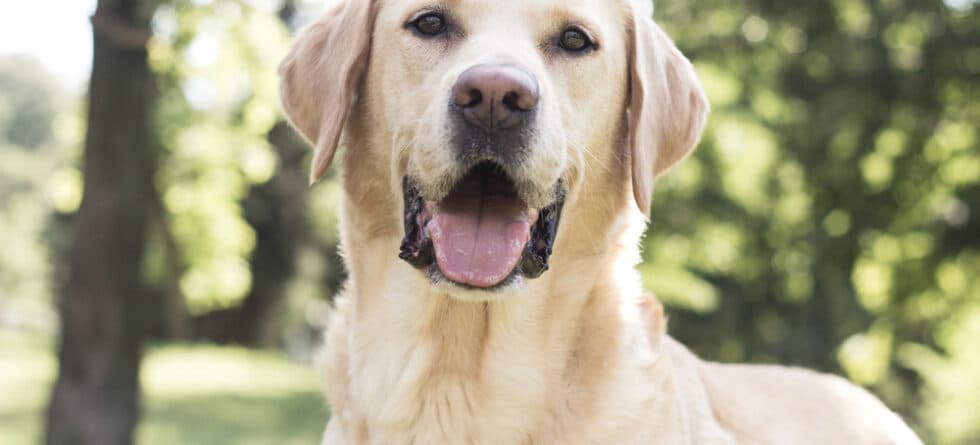
Growling can be surprising, especially from a Labrador, a breed known for its gentle and friendly personality. Labs usually growl as a form of communication, not aggression. It is their way of telling you they are uncomfortable, unsure, or trying to express a need. Understanding the reason behind the growl helps you respond calmly and prevent the behavior from escalating.
Fear or Uncertainty
Even confident dogs like Labradors can growl when something scares or confuses them. Fear-based growls happen when the dog feels threatened or unsure about what is happening.
- New environments or unfamiliar people
- Loud noises or sudden movements
- Feeling trapped with no escape
Removing pressure and giving your Lab space often helps reduce fear-related growling.
Pain or Discomfort
One of the most overlooked reasons a Lab may growl is physical pain. Dogs use growling to communicate that something hurts or feels uncomfortable.
- Joint pain or arthritis
- Ear infections or dental pain
- Injuries from play or exercise
If growling appears suddenly, especially when touched, a vet check is important.
Resource Guarding
Some Labs growl when protecting something they value. This behavior is called resource guarding and is more common than many owners realize.
- Growling when eating or chewing a bone
- Guarding toys, treats, or stolen items
- Growling when someone approaches their resting spot
This does not mean your Lab is aggressive. It means they feel insecure about losing what they have and need training to build confidence.
Frustration or Overstimulation
Labradors are energetic dogs, and sometimes they growl when they become overstimulated during play or excitement.
- Rough play that becomes too exciting
- Redirected frustration from not getting what they want
- Playful growls during tug or chase games
A playful growl is usually higher-pitched and accompanied by loose, wiggly body language.
Feeling Threatened or Cornered
Labs may growl if they feel you are too close during a moment of discomfort. Growling in this scenario is a warning, not aggression.
- Being hugged too tightly
- Being woken suddenly from sleep
- Having their collar grabbed abruptly
Respecting boundaries and approaching calmly helps reduce this behavior.
Protective Instincts
Some Labradors growl out of protective behavior when they sense something unusual or perceive a threat.
- Growling at strangers entering the home
- Growling during tense or unfamiliar situations
- Protectiveness toward children or other pets
Teaching confidence and controlled behavior helps reduce unnecessary guarding.
Miscommunication or Confusion
Dogs thrive on clear signals. If a Lab feels confused by mixed messages, growling may happen as a reaction to uncertainty.
- Using inconsistent training commands
- Correcting too harshly or suddenly
- Not understanding what is being asked
Calm, consistent guidance reduces confusion-based growling.
How to Respond When Your Lab Growls
Reacting correctly prevents the situation from escalating and helps your dog feel safe.
- Stay calm and avoid yelling or punishing
- Give your dog space if they seem scared or overwhelmed
- Identify what triggered the growl
- Use positive reinforcement to build trust
- Work with a trainer if growling becomes frequent
Punishing a growl can make your dog stop warning you and move straight to more serious behavior. It is better to understand the cause.
Labradors growl to communicate discomfort, fear, pain, confusion, or protectiveness. Growling is not always a sign of aggression but a signal that something needs attention. By understanding the cause, giving your dog space, and offering gentle guidance, you can help your Lab feel safe and prevent stress-based behavior in the future.