
Is Your Puppy Safe In The Cold? Here’s How to Walk Them Safely in Winter
By Puppy Dreams Editorial Team · February 19, 2026
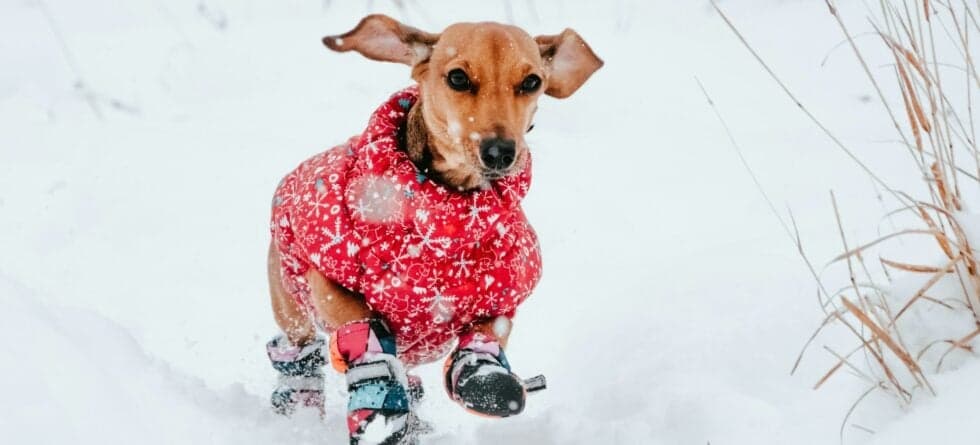
Winter walks can be fun, but they can also be risky for your puppy. Puppies can struggle with low temperatures, ice, and road salt. With a few smart steps, you can still enjoy walking puppies in winter safely. Below, you’ll learn when it’s too cold, how to protect paws, and what to do instead when outdoor walks aren’t worth it.
Key Takeaways:
- Puppies can get hypothermia below 45°F (or 50°F for small or short-haired breeds). Watch for shivering and slow movement.
- Under 32°F, keep walks to 10–15 minutes. If it’s under 20°F with wind, skip the walk.
- Frostbite can affect ears, paws, and tails. Prevent it with shorter outings plus warm coats and booties.
- Salt and ice can hurt paws. Use paw balm or booties, and wipe paws after every walk.
- Best walking times: 8 a.m. to 3 p.m., when it’s usually brightest and warmest.
- Use reflective gear (collars, leashes, clip-on lights) so cars and cyclists can see you.
- If it’s too cold, do indoor play: tug, puzzle toys, basic training, and potty pads.
- After walks: wipe and dry paws, apply balm, and trim fur between toes.
- Gear: warm coats and boots for your dog, and winter layers plus visible items for you.
What are the Risks of Walking Puppies in Winter?
Puppies cannot regulate their body temperature the same way adult dogs can. Cold air can be dangerous for puppies because they lose heat fast.
One major risk is hypothermia.
A clear sign it’s too cold: shivering.
If your puppy shivers, moves slowly, or has pale gums, bring them inside. These signs mean their body is struggling to stay warm.
How Does Frostbite Happen?
Frostbite happens when skin freezes. It often affects ears, paws, and tails. Skin may look pale at first, and in severe cases, it can darken and become badly damaged. Puppies are more at risk because their coats don’t fully protect every area.
To lower frostbite risk, keep outdoor time short (about 15–30 minutes below freezing). Warm coats that cover the belly and chest can help, and booties protect paws from cold surfaces.
What Hazards Should I Avoid When Walking Puppies in Winter?
Frozen lakes and salted sidewalks. Ice can crack, and salt can sting paws or make dogs sick if they lick it. Snow can hide sharp objects and trash. Keep your puppy leashed so you can steer them away from trouble.
Antifreeze is another serious risk. It can taste sweet but is toxic, so don’t let your dog lick puddles or dirty snow near driveways. Before and after each walk, check paws for salt and ice. Wipe paws with a warm cloth, and use paw balm to protect skin. If your puppy has long fur, trimming between the toes helps stop painful ice clumps.
Also, protect yourself: walk slowly, stay close, and use reflective gear so your puppy stays visible and controlled.
The Danger Zone
Many puppies start feeling cold below 45°F. Small or short-haired breeds may feel cold even at 50°F because they lose heat faster than adult dogs.
Thick-coated breeds often handle cold better. Many dogs can enjoy 20–30 minute walks above 20°F, but small or thin-coated puppies usually need shorter walks once temps dip under 45°F. If you want a snow-friendly addition to your family, Puppy Dreams can help you find your best friend for life.
Below 32°F, keep walks to 10–15 minutes. With wind or icy conditions, even 5 minutes may be enough. If your puppy shivers or starts lifting paws, go inside right away.
Wet fur makes cold feel worse, so if your puppy gets damp, end the walk and dry them well.
When Should Winter Puppy Walks Be Skipped?
Skip walking puppies in winter if it’s below 20°F and windy, or if sidewalks are icy and unsafe. If your puppy hesitates at the door, looks stiff, or starts shivering, do indoor play instead.
How to Protect Your Puppy’s Paws from Snow, Ice, and Salt
Salt can burn and dry paw pads. Ice can cut the skin between their toes. If your puppy licks salt off their feet, it can also cause health problems.

Your goal is to block rough surfaces and keep paws healthy:
- Paw balm: creates a protective barrier
- Dog booties: block cold, salt, and sharp debris
- Warm toweling: removes salt and ice after walks
Let paw balm soak in before going outside. For booties, start with short indoor practice so your puppy gets used to the feeling. Pick soft boots that fit snugly and don’t rub.
Which is Better, Balm or Boots?
- Cold, dry paths: balm may be enough
- Snowy or icy streets: boots (balm can go underneath)
- Soft grass nearby: you might skip both, but still wipe paws after
After every walk, check for redness, cuts, or ice stuck between toes. Rinse paws with lukewarm water if needed and dry carefully.
Gearing Up for Walking Puppies in Winter
Good winter gear keeps walks safer and more comfortable, especially for small dogs and short-coated breeds.
Choose coats that are warm, water-resistant, and allow easy movement; look for boots that stay on, cover enough of the leg, and have a secure fit. A coat that covers the chest and belly helps most. Practice indoors first so your puppy doesn’t panic or fight them.
If your puppy won’t tolerate boots, use paw balm and avoid salted routes. Always wipe paws afterward.
When is the Best Time for Walking Puppies in Winter?
Timing is crucial, and the warmest times of day are usually 8 a.m. to 3 p.m., when the sun is highest, and sidewalks are often warmer.
Keep walks short in freezing weather. Under 32°F, stay around 10 minutes (less for sensitive puppies). Windy, snowy days may only allow a quick potty break.
Breed matters too. Cold-loving breeds can often do more, while breeds like Chihuahuas and Greyhounds may need coats, boots, and very short outings.
What are Some Indoor Alternatives?
If it’s below 32°F and your puppy is shivering or lifting paws, stay indoors.
- Fun ways to play indoors: Tug games, short training sessions, puzzle toys, treat hunts, and simple obstacle courses (like a blanket tunnel).
- Thinking games: Trick training and scent games can wear puppies out fast, especially in short sessions.
- Indoor potty spots: If it’s extremely cold (like below 0°F) or your puppy refuses to go outside, use potty pads or grass pads in a consistent spot and reward your puppy for using them.
Helping a Puppy Adjust to Snow and Ice
Start with short exposure in a small area and let your puppy sniff and explore at their own pace.
If you’re attempting to foster actual enjoyment, it’s important to approach it safely and with the right attitude. Warm clothing, a happy tone, and treating it like a game are your best bets. Don’t pull if they freeze, and encourage gently with praise and treats. If they don’t like it, don’t force it.
Cleared sidewalks and grassy areas without salt are the safest places to try acclimation. Avoid frozen ponds, unknown snowbanks, and slippery roads.
Essential Post-walk Care Steps in Winter
Wipe paws and belly with a warm, damp cloth, then dry fully. This removes salt and grit and helps prevent licking and irritation.
If your puppy wore boots, check for moisture inside them and dry both boots and paws. Trim toe fur if ice clumps are a problem. A towel, a small brush, and pet-safe paw balm can help prevent cracking and dryness. For thick-coated dogs, a hair dryer on low (not too close) can help; avoid the face.
Keeping Floors Clean After a Walk
Use a mat by the door and dry your puppy before they walk around. Keep wet gear near the entryway so water doesn’t drip across the house.
Walking Puppies in Winter Can Still Be a Happy Routine
With the right timing, short outings, and simple protection, winter walks can stay safe, and still give your puppy great mental enrichment from new smells and sights.
If you’re building your puppy’s cold-weather kit, Puppy Dreams is here to help with cozy layers and paw-protection essentials designed for growing pups. When in doubt, keep it short, stay observant, and choose comfort over “pushing through.” Find a location near you.